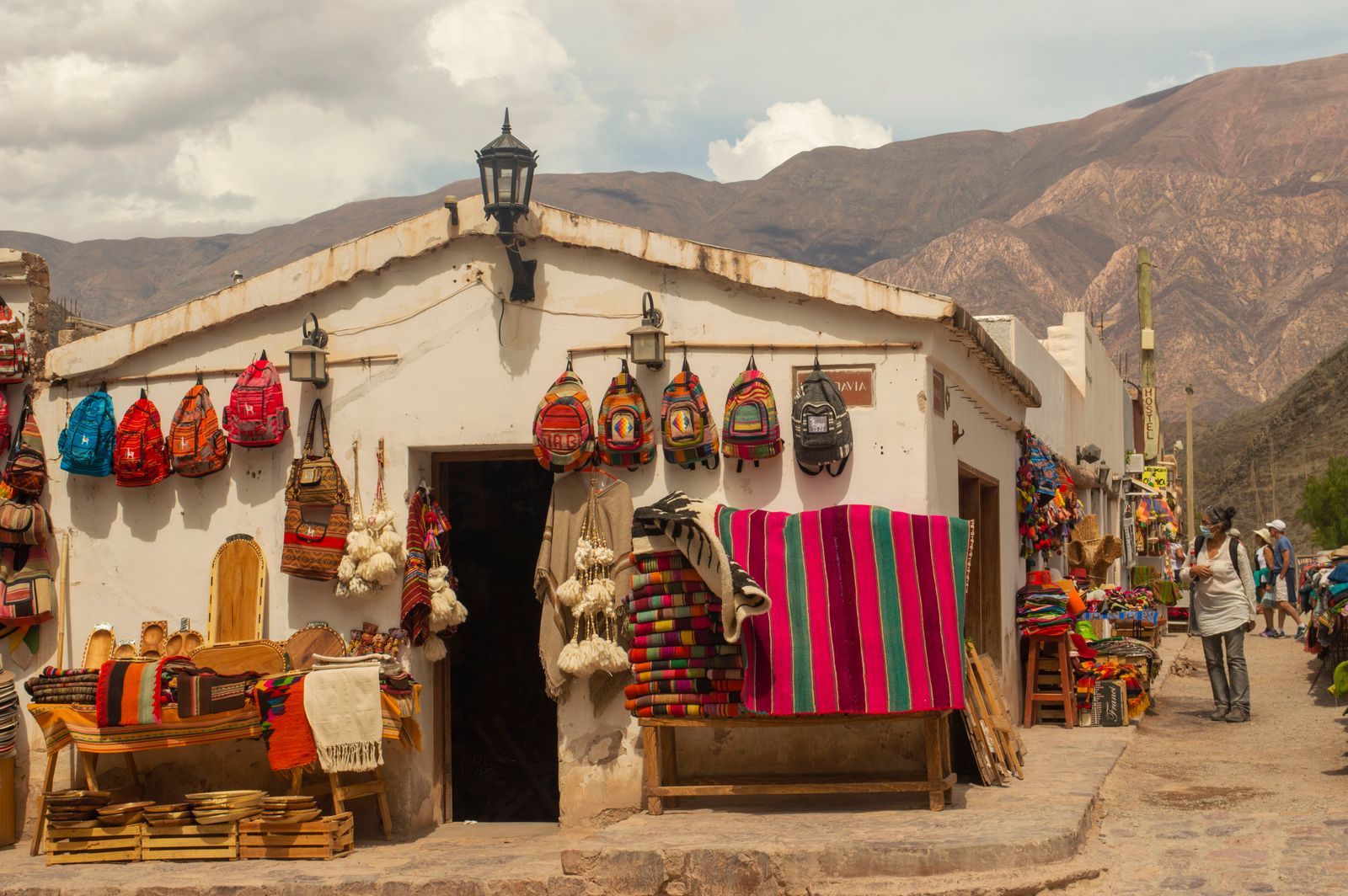
It would be easy to treat Salta and Jujuy as scenery with towns in it. The listing that made the Quebrada de Humahuaca famous says otherwise: UNESCO inscribed it as a cultural landscape, which is a technical way of saying that the interesting thing here is what people have done in this valley, for a very long time, and are still doing. Here is what's underneath the photographs.
A valley that has been a road for ten thousand years
Inscribed in 2003 — for the route, not the view.
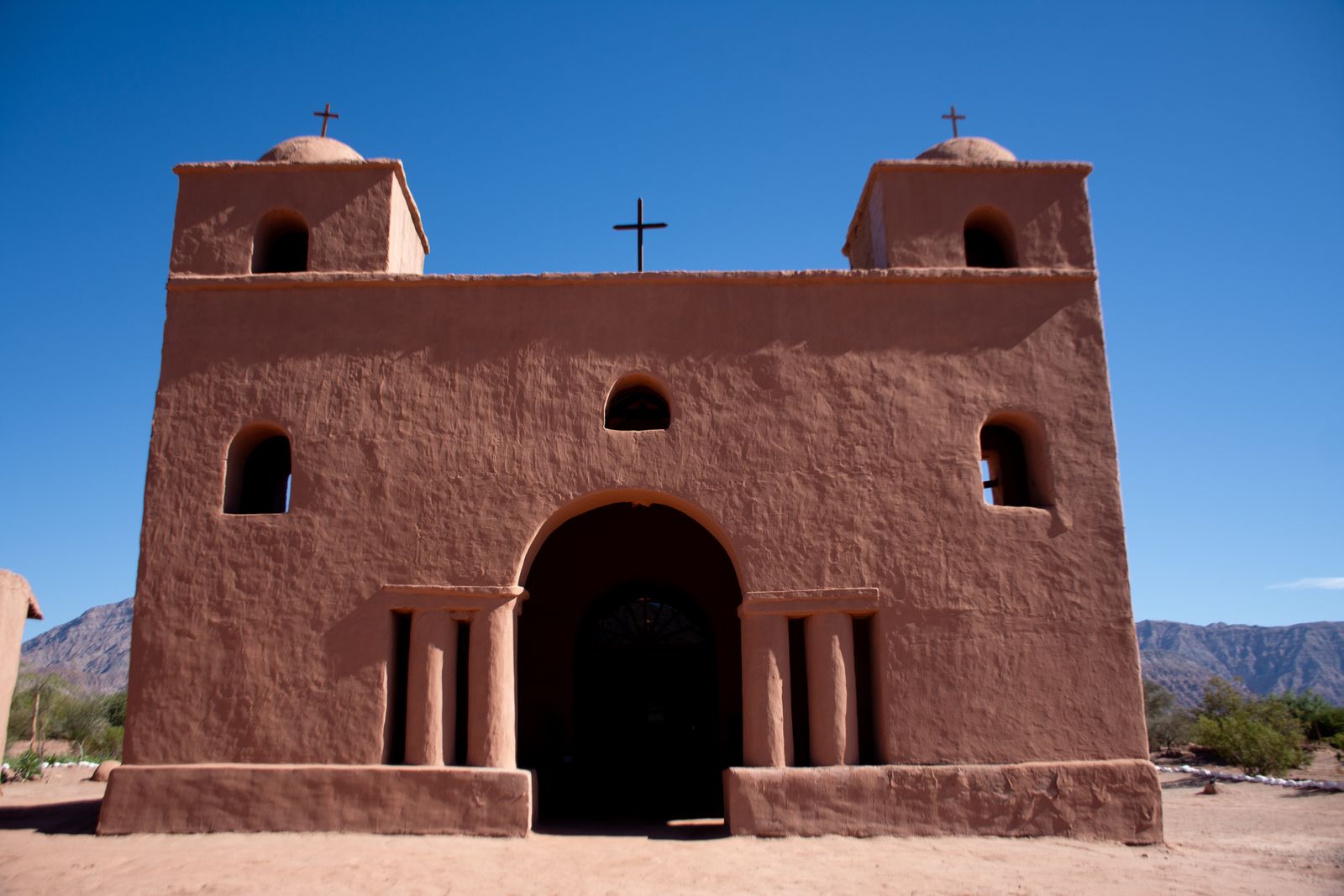
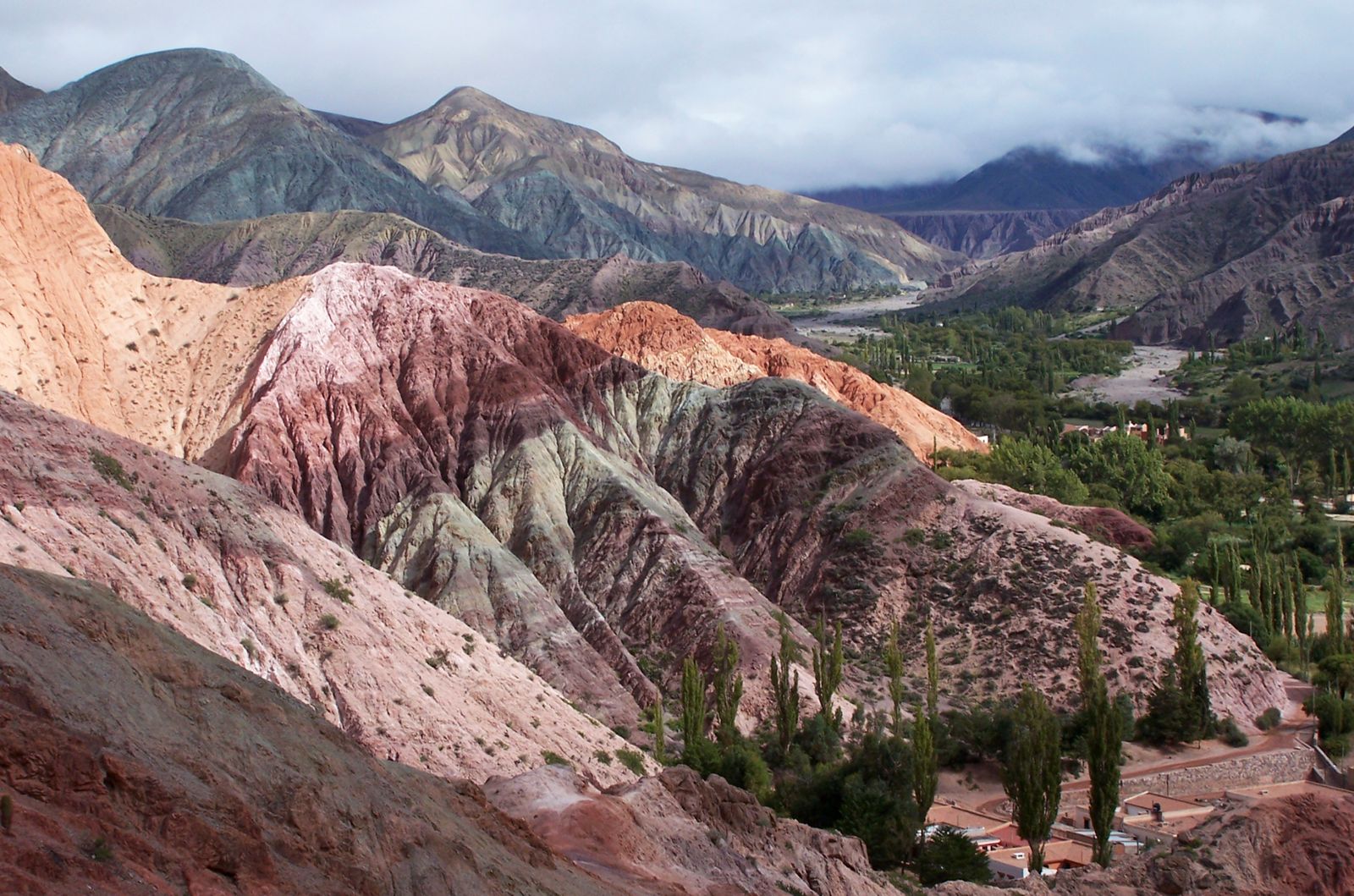
The Quebrada de Humahuaca was inscribed by UNESCO on 2 July 2003. It runs about 155 km along the Río Grande, from the cold high plateau down towards the valleys, walled by mountains the whole way. What the listing recognises is that this narrow valley has been a major trade and communication route for roughly 10,000 years, and that the evidence of it is all still visible and layered on top of itself.
You can read the layers as you drive. Traces of prehistoric hunter-gatherers. The Camino Inca, part of the vast Andean road network now listed as the Qhapaq Ñan, running straight through it in the fifteenth and sixteenth centuries. Colonial churches dropped onto older sites. Then the independence wars of the nineteenth century, which were fought up and down this corridor because it was the way through, and monuments to them in every second plaza.
The practical consequence for a visitor is a change of posture. The towns — Purmamarca, Maimará, Tilcara, Huacalera, Uquía, Humahuaca — are not viewpoints with parking. They are working communities on a road that predates every country involved. Behave accordingly, buy from the people making things, and ask before photographing anyone.
August belongs to Pachamama
On the first, the earth eats first. And the whole month is hers.
On 1 August, across Jujuy, Salta and most of the Andean provinces, families honour the Pachamama — the earth, understood as a being who has fed you all year and is owed something back. In the Andean view she is not a metaphor. She is a party to the arrangement.
The central rite is the corpachada, from the Quechua corpachar, to feed. A small pit is opened in the ground and fed: cooked food, coca leaves, drink, seeds, fruit, tobacco. The earth is served first, before anyone at the table eats. Alongside it runs the custom of caña con ruda — cane spirit steeped with rue, drunk on an empty stomach on the first of the month, for health and against bad luck.
What visitors get wrong is treating it as a scheduled performance. It is a family and community observance, it happens in yards and fields as much as in plazas, and the whole month of August carries it, not just the first day. If you are in the Quebrada in August you will see offerings at the roadside and small pits fed at the edge of fields. Don't photograph a corpachada without asking, don't step over one, and if you are handed a cup, drink from it.
If you're offered coca, take it
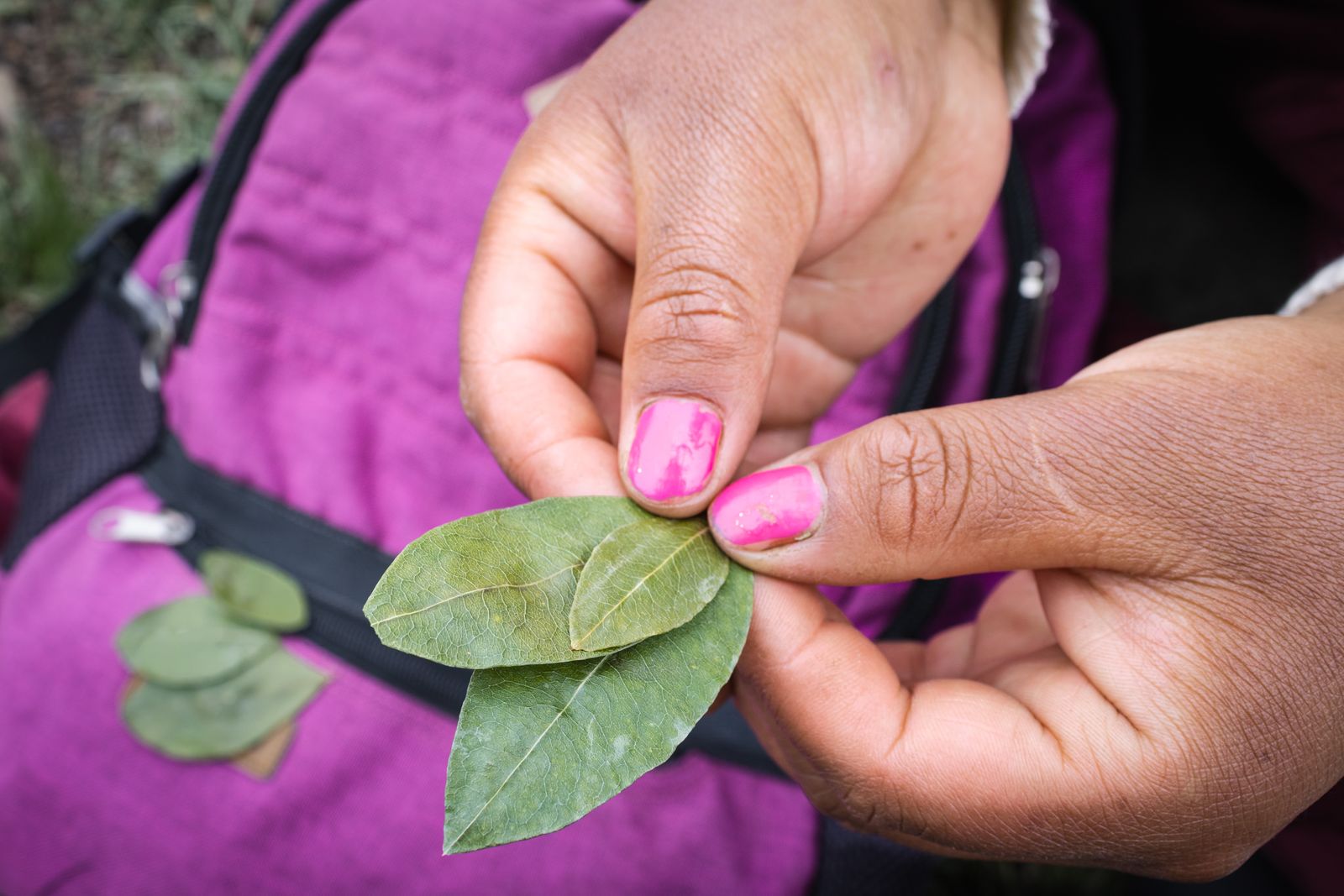
Coca leaf runs through everything up here — chewed, brewed as mate, sold as sweets in every shop, and offered to the earth before anyone drinks. It is legal, ordinary and completely unremarkable in Salta and Jujuy, and it is also the single most effective thing available for the altitude you are about to be at. Being offered leaves is a small piece of hospitality with a long history behind it. Accept it, use it, and don't make it strange. Do check your own country's rules before trying to take any home, because that is a different question entirely.
Carnaval: they dig up a devil
Nine days of it, and the strangest structure of any carnival in the Americas.
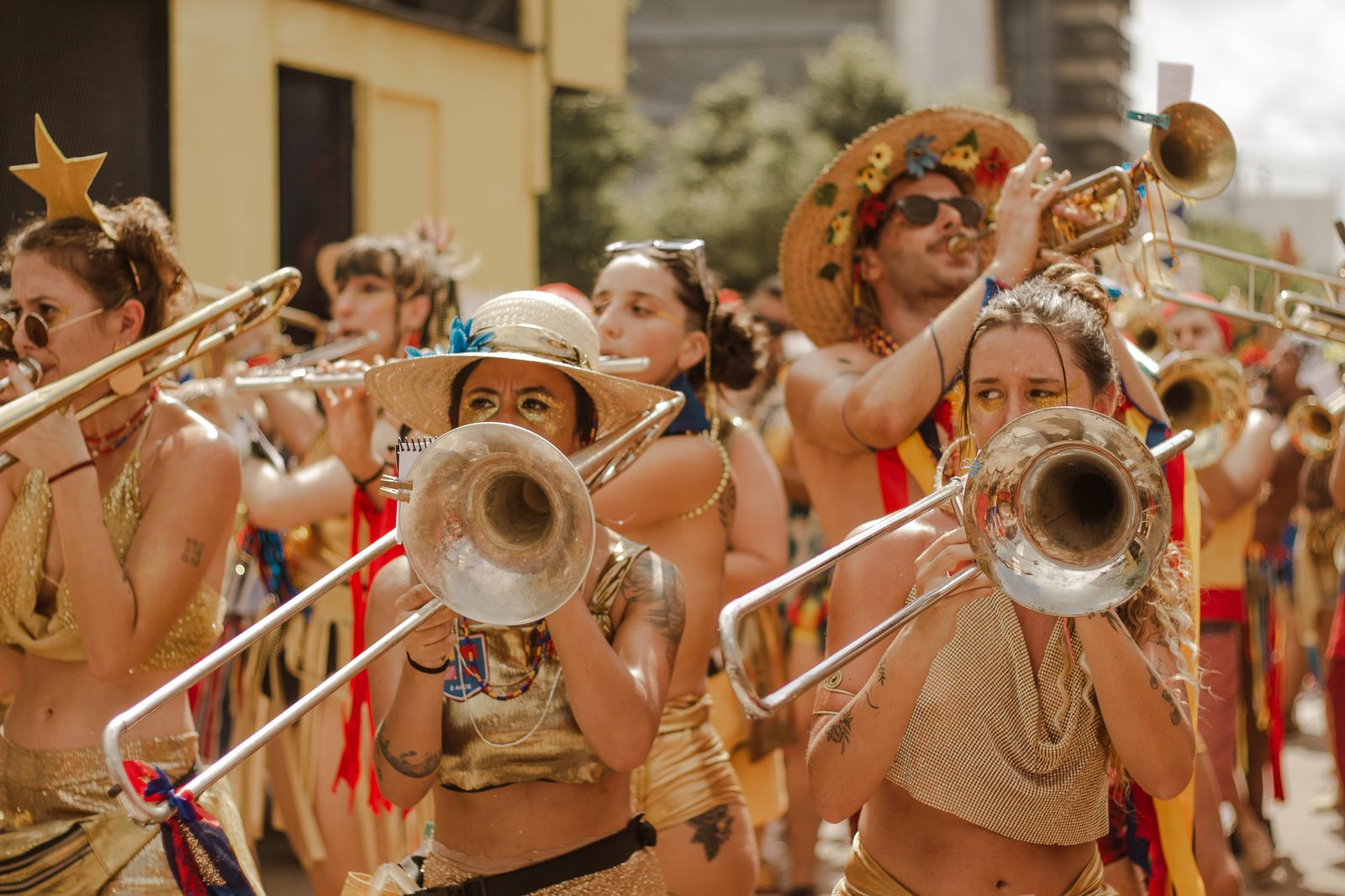
Carnaval in the Quebrada is the biggest thing that happens here all year, and it is built on a genuinely odd idea. The comparsas — neighbourhood carnival groups — climb the hillsides above their towns to a mojón, a marked cairn, and unearth a devil that was buried there at the end of the previous year's carnival. He comes out, everything is permitted for nine days, and then he goes back in the ground and Lent starts. The Andean Pujllay and the Spanish carnival grew into each other and this is the result.
The desentierro — the unearthing — is the moment to be there for. Flour, water, streamers, brass and drums, and a hillside covered in people. Then nine days, then the entierro, which is more melancholy than you expect.
For 2027: Ash Wednesday falls on 10 February, which puts Carnaval Monday and Tuesday on 8–9 February, the desentierro on the Saturday before — 6 February — and the entierro on Sunday 14 February. Individual towns publish their own comparsa timetables in January and they vary a lot; we're not going to print a per-town schedule here, because the ones circulating now contradict each other. Check with the town you're going to, close to the date.
Tilcara, Humahuaca and Uquía are the main stages. Accommodation in the Quebrada sells out months ahead for this, and prices are not what they are in October. It is worth it.
The MAAM, and three children
The hardest hour in Salta, and the one that stays with you.
The Museo de Arqueología de Alta Montaña on Salta's main plaza holds what was found in 1999 on the summit of the Llullaillaco volcano, at 6,739 m: three children, placed there more than five hundred years ago in an Inca capacocha ceremony, with a set of miniature ceremonial objects around them. The cold and the altitude preserved them almost perfectly.
We're going to be plain about this, because most write-ups aren't. These are the bodies of three children, and they are on display. One is shown at a time, rotating, in a low-temperature case. The museum handles it with real care — the archaeology is superb, the context is thorough, and the argument for showing them is genuinely made rather than assumed. Indigenous organisations in Salta have objected to the display, and that objection is also part of what you are looking at.
Go. It is the best museum in northern Argentina and you will understand the mountains differently afterwards. But go knowing what it is, decide for yourself whether to enter the room with the child in it, and understand that not entering is a legitimate choice rather than squeamishness. Tuesday to Sunday, 11:00–19:00, last entry 18:30, closed Mondays. As of August 2026: $16,000 for foreigners, $8,000 for Argentines, $4,000 for Salta residents, $2,500 for students and jubilados, free under 12.
The museum is not asking you to look. It is asking you to decide whether to.— On the MAAM
Peñas: where the music actually is
Zambas, chacareras, and a street that only makes sense after ten.

A peña is a room with food, wine and live folk music where the distinction between performers and audience is deliberately soft. Salta is the country's peña capital and this is the one thing in the city you should not skip.
- Calle Balcarce is the strip — peñas, bars, restaurants and an artisan market, and it does not begin to make sense before about 22:00. La Vieja Estación, at Balcarce 875, was the pioneer on the street and opens daily from around 20:00 until very late. It is the polished version: a proper show with dancers, and the safest bet if you have one night.
- Peña Balderrama, Av. San Martín 1126 — the one they wrote the zamba about. Family-run for something like seventy years and known locally as the temple of the genre. Less show, more history.
- La Casona del Molino — the one to go to if you want the real thing rather than the staged one. Musicians sit at the tables in different rooms of an old house and play to each other, and the room you want is whichever one has filled up. Later is better. Much later is best.
The music is zambas and chacareras, and the correct behaviour is to stay far longer than you planned. If somebody pulls you up to dance the zamba with a handkerchief and you don't know how, that is fine — nobody in the room learned it from an instruction manual either.
Where we would book
The MAAM you buy at the door; it is on the main plaza and rarely has a real queue. Go early in the day when you have the attention for it.
For the peñas, La Vieja Estación takes reservations and you want one at the weekend or in July. La Casona del Molino is walk-in and reserving would rather miss the point. Take cash for both, and take a taxi or app car back rather than walking across town at three in the morning.
For Carnaval, book accommodation in Tilcara or Humahuaca as far ahead as you can stand — months, not weeks — and book it directly with the guesthouse where possible. This is the one week of the year when the Quebrada genuinely runs out of beds.
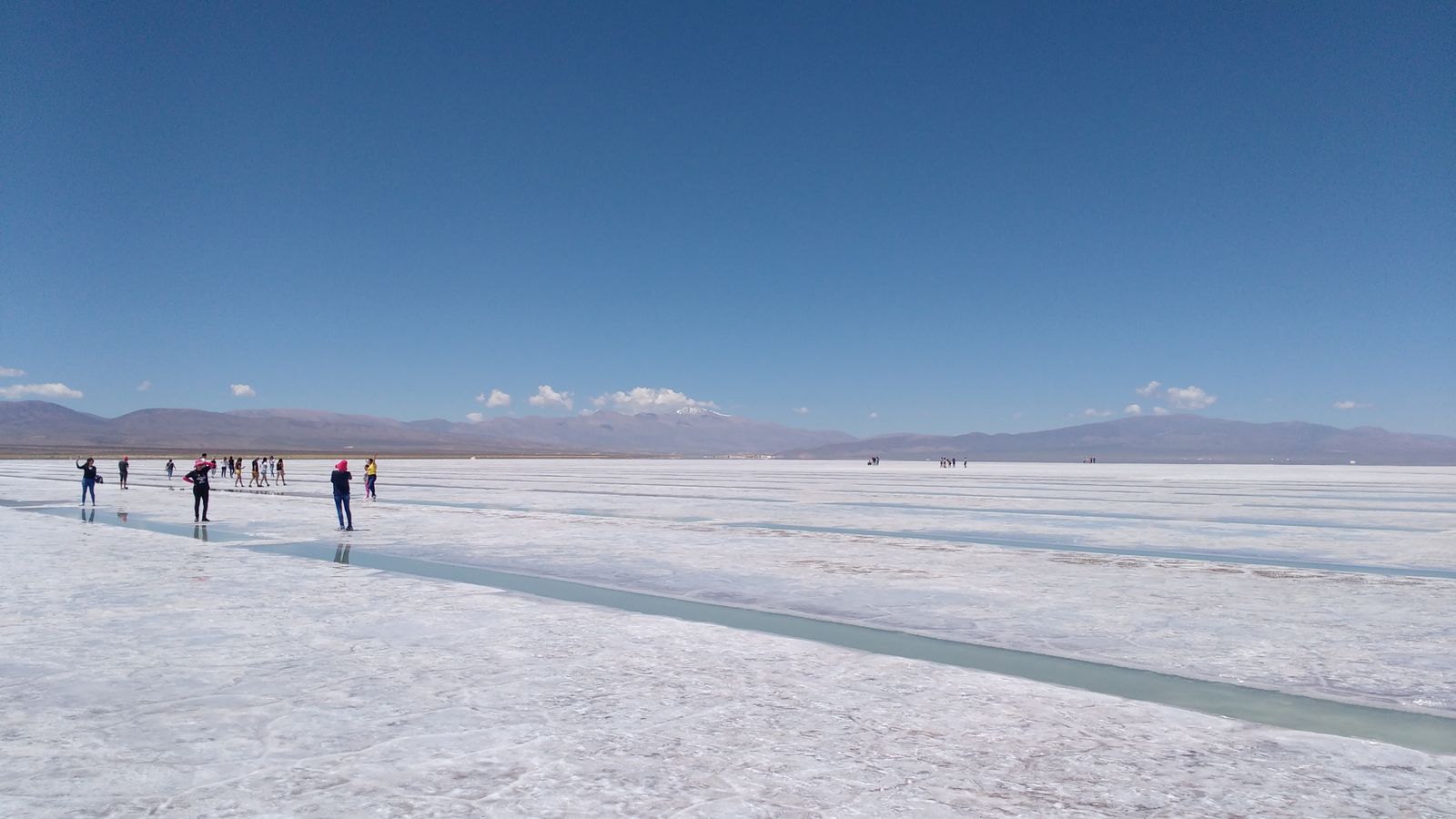
The community-run experiences — the Salinas Grandes guides, craft stalls, anyone selling weaving in the Quebrada — you pay in cash, directly, at full price. Haggling here is not a local custom being observed; it is money taken out of the hand that made the thing.
Related guides
- Salta & Jujuy Travel Guide — the week's shape and the altitude that sets it.
- Salta & Jujuy Food Guide — the older cuisine underneath the Argentine one.
- Salta & Jujuy Activities Guide — the drives and the viewpoints, with the timings that matter.
- Salta & Jujuy Group Trip Guide — doing all of this six-handed.
- Buenos Aires Culture Guide — the other Argentine music, and a city that looked the other way.