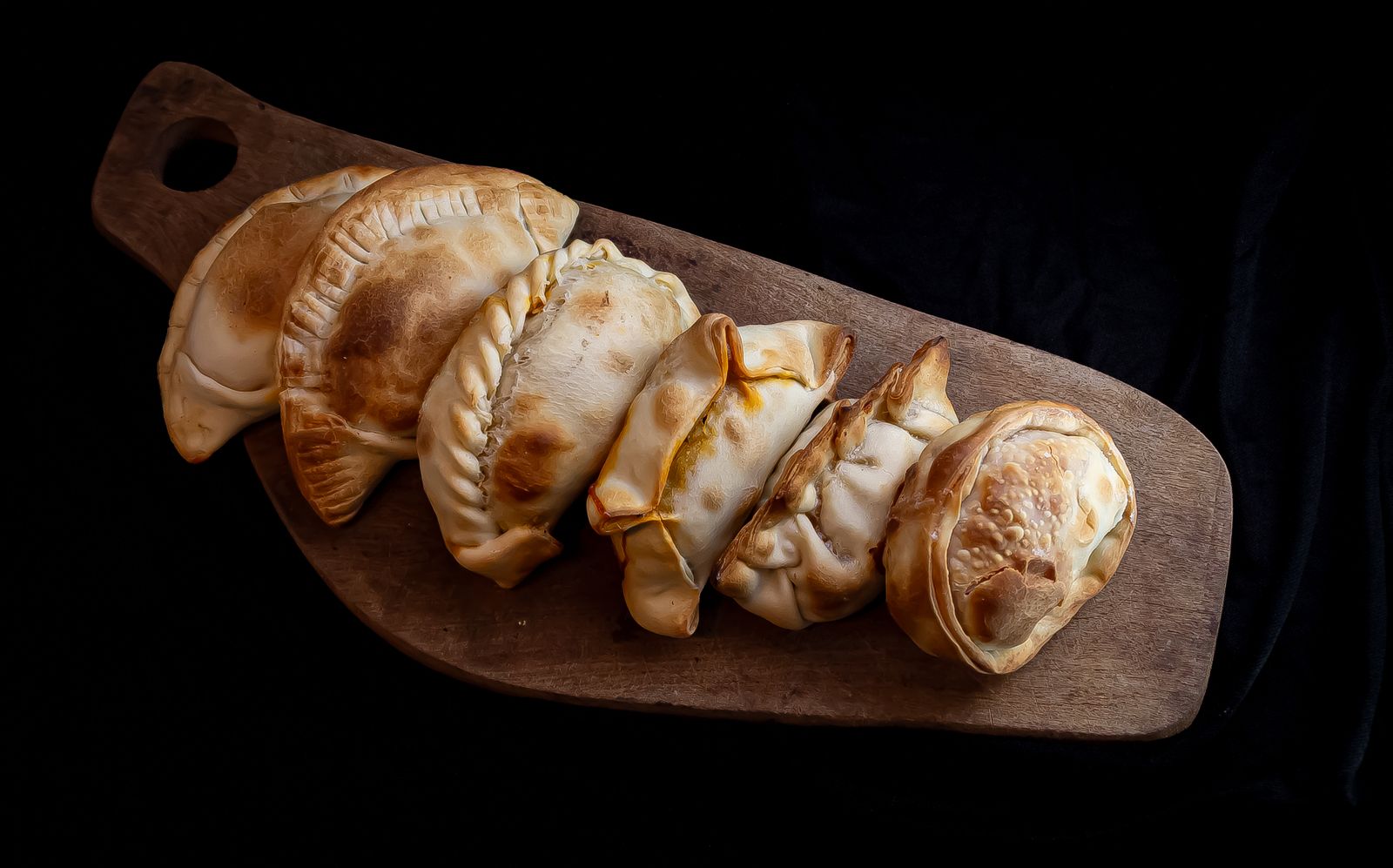
Northwest Argentina eats differently from the rest of the country, and it is the older cuisine of the two. Down south it's beef and Italian surnames. Up here it's maize, potato, chilli, llama and quinoa, which is to say it's Andean food that a Spanish kitchen edited four hundred years ago rather than the other way round. Also, the empanadas are the best in Argentina, and Argentines will fight you about it, and they will lose.
The empanada salteña, and where to settle it
Knife-cut beef, potato, a lot of juice, and a national argument.
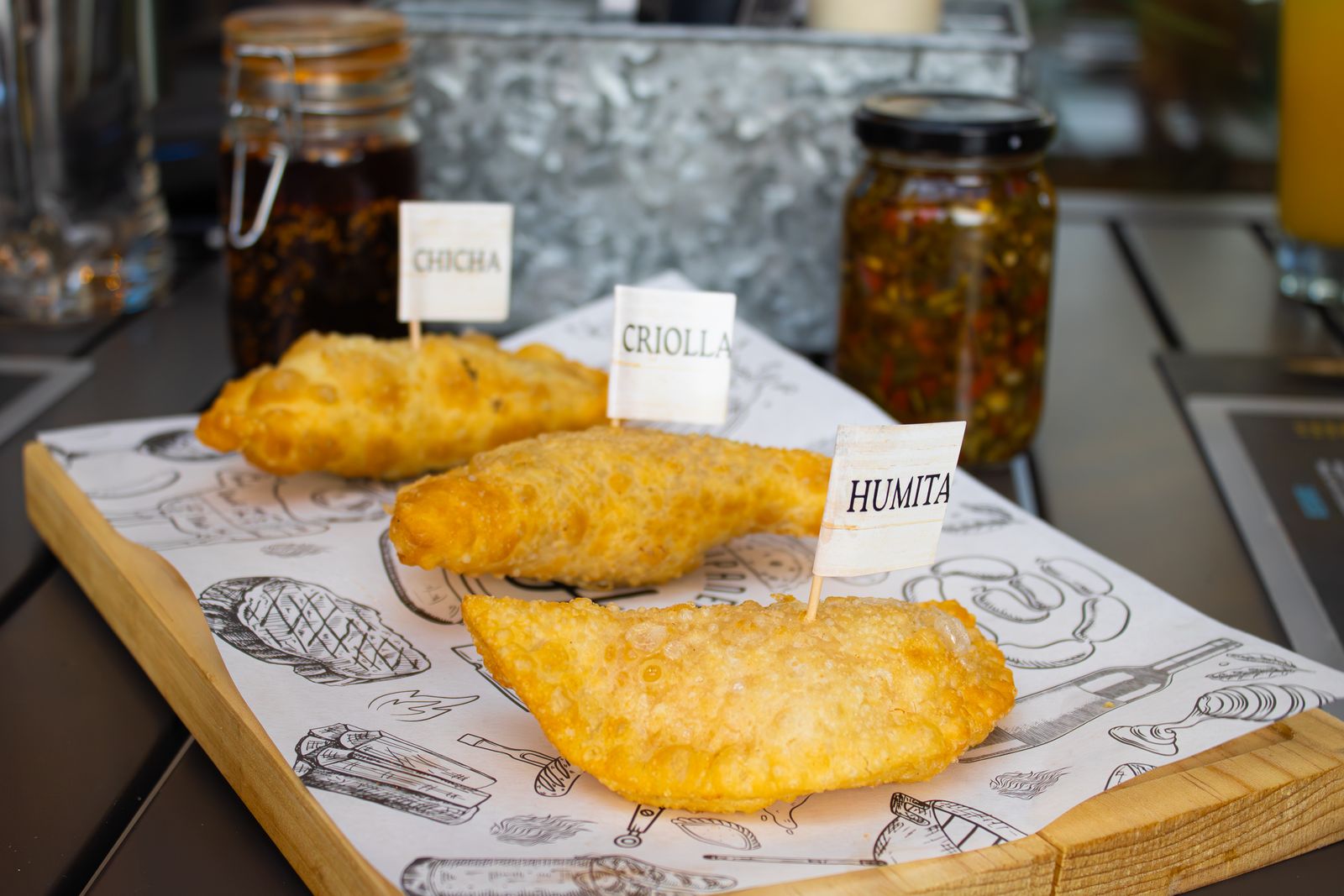
The salteña is small, baked in a clay oven or fried, and filled with beef cut with a knife rather than minced, plus potato, spring onion and a great deal of juice. The juice is the whole point and also the hazard: you eat it standing up, leaning forward, and you accept what happens to your shirt. Order a docena, because six is not a portion, it's a taste.
- Roque García Gourmet, Av. Entre Ríos 1990 — turns up first on almost every local list, and deserves it. The juiciest in the city. Slightly out of the centre, which is why tourists miss it and locals don't.
- Doña Salta, Córdoba 46 — the classic, right by the San Francisco church. Empanadas plus the rest of the canon: tamales, humita, locro. If you're only eating one full regional meal in the city, eat it here.
- La Salteñería, Catamarca 7 — baked or fried, and the oversized potosina: chicken, potato, onion and olive, closer to a Bolivian salteña. They sell them frozen, which is how you smuggle the trip home.
A word on the yasgua on the table: it is not a garnish. It is a chilli sauce built for people who grew up on it. Test it with a fingertip before you commit a whole empanada.
The docena rule
Empanadas here cost little enough that ordering carefully is a waste of everyone's evening. Get a docena for the table, mixed — beef, cheese, chicken — and then order a second one, because you will. Six people, two dozen, one plate of tamales, a bottle of Torrontés and you have fed everybody properly for less than one main course would cost in Buenos Aires. This is the single best-value meal in Argentina and it is not close.
The rest of the canon
Locro, humita, tamal — maize in three moods.
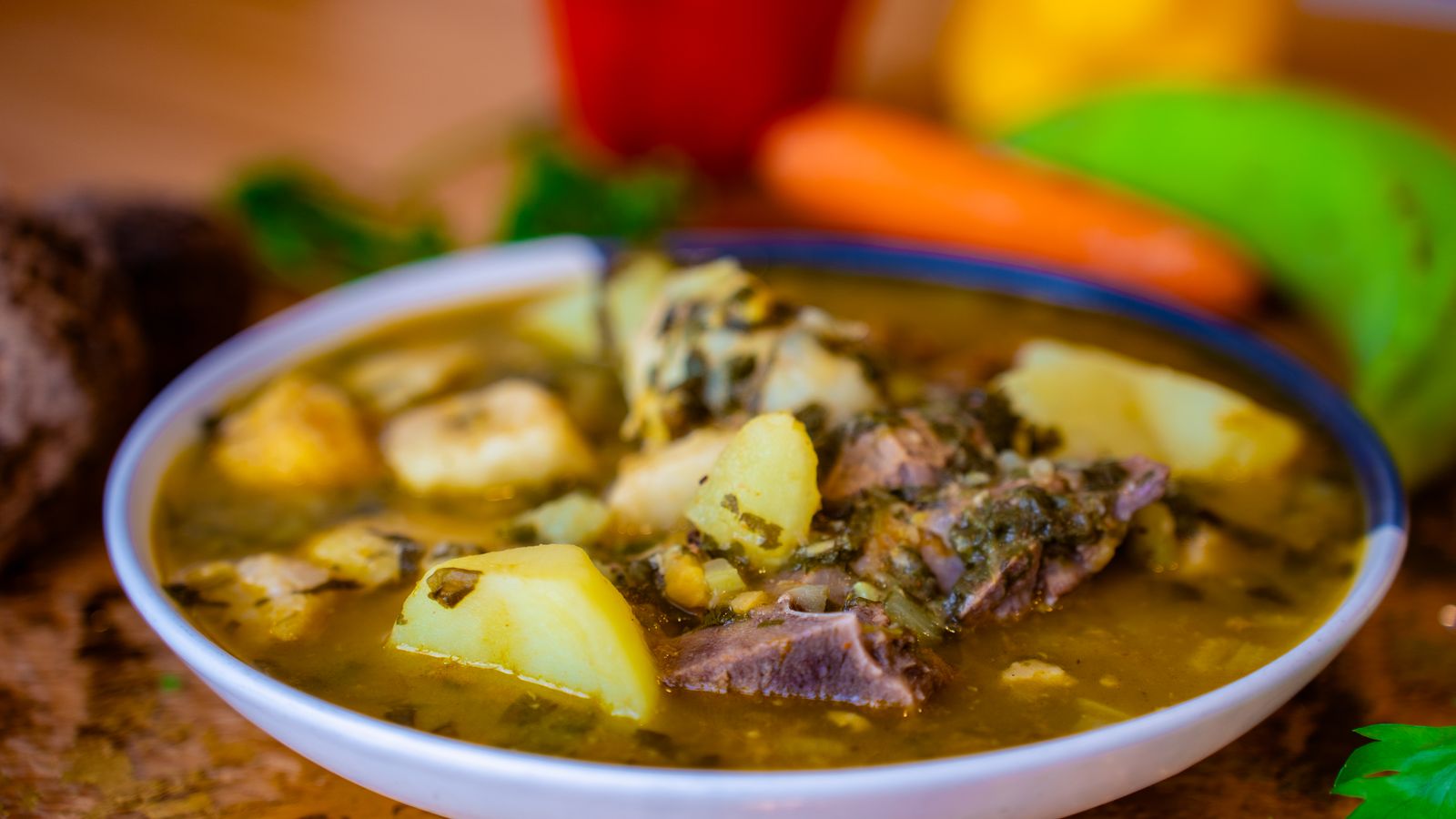
Beyond the empanada there is a small, fixed repertoire, and it is worth working through all of it.
- Locro — a thick white-maize and bean stew with whatever pork the kitchen believes in. A winter dish, a national-holiday dish, and after a cold day at altitude the correct dish.
- Humita — fresh maize, onion and cheese, steamed en chala in the corn husk. Sweet, soft, faintly like creamed corn's better-dressed cousin.
- Tamal — drier and coarser than the humita, maize dough around meat, also cooked in the husk. The two get confused constantly. Order both and stop guessing.
- Llama — lean, dark, no gaminess, and the Quebrada's everyday protein. It turns up as steak, as stew and, best of all, cured into a kind of high-altitude bresaola.
- Quinoa — grown here long before anyone in Brooklyn heard of it, and generally treated as a soup thickener rather than a health food. Qolla lawa, a thick Andean quinoa soup, is the version to look for.
For the cooked-up version of all this, José Balcarce in Salta does what it calls cocina de altura: pre-Columbian ingredients — quinoa, amaranth, llama, api made from purple maize — worked with modern technique. It is the one restaurant in the city that will make you rethink the region rather than confirm it.
Eating in the Quebrada
Small rooms, short menus, and the country's best regional cooking in a town of five thousand.

Here's the thing nobody expects: the best eating on this trip is not in Salta city. It is in the Quebrada, in villages, in rooms with eight tables.
- El Nuevo Progreso Cocina + Arte, Tilcara — chef María Florencia Rodríguez with the artist Fernando Fernández, cooking a seasonal regional menu built on small producers from all four of Jujuy's regions, in a room hung with art. Routinely called one of the best restaurants in the country and it is in a village at 2,461 m. Book it.
- El Mesón, Purmamarca — Juan Manuel Chañi's restaurant, artisan charcuterie and country store, with eight tables. The signature is beef ribs given twelve hours in a clay oven with regional spice. Eight tables means book.
- Uraqui Minero, Uquía — Claudio Zucchino keeps a wine cave inside an abandoned mine at around 4,000 m, plus a hostería with an organic garden. Regional cooking with high-altitude wine, and a morning excursion up to the cava. Nowhere else on this trip is remotely like it.
- La Casa de Champa, Tilcara — German pastry and loose-leaf tea in a traditional Tilcara courtyard, with their own blend line. Scones, waffles, apple strudel. The correct stop after the walk up to the Garganta del Diablo.
- La Huerta Tambo, Huacalera — a goat-cheese producer since 2016, roadside on RN9 at the Tropic of Capricorn. Fresh, aged, sardo, provoleta, ricotta, spreads, dulce de leche. Pull over, buy a picnic, eat it on a rock.
A village of a few thousand people at 2,461 m has one of the best restaurants in Argentina. That's the Quebrada in one sentence.— On Tilcara
Cafayate: Torrontés, and ice cream made of it
High-altitude white wine, and one shop that had a very good idea in 1996.
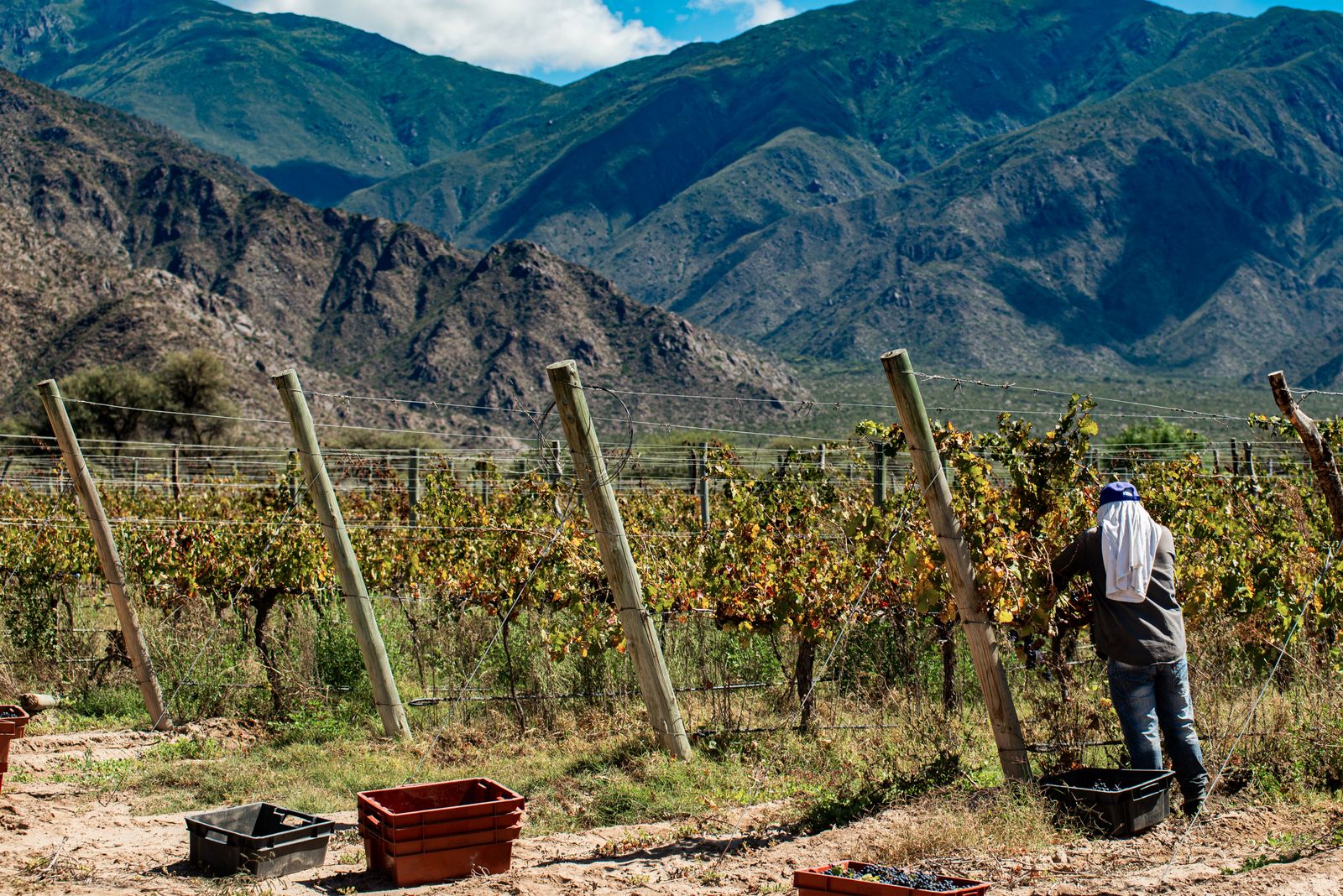
Cafayate sits at about 1,660 m and grows Torrontés, a white that smells like it will be sweet and then arrives dry and sharp. Altitude is the reason: huge day-night temperature swings and hard sun give it perfume without flab. It is the one Argentine white worth crossing a country for, and it costs almost nothing at the source.
- Bodega Nanni — certified organic, family-run, founded 1897, one block from the plaza. Small, unpolished, and the easiest good visit to make on foot.
- El Esteco — free tour, paid tastings of four wines, and noches mágicas that finish outside around a fire. The one to do in the evening.
- Piattelli Vineyards — the most tourism-ready of the three, built for visitors, with tour-and-tasting quoted around $10,000–$13,000 depending on the line (checked 2026; confirm on the day). Go here if you want the view and the polish.
Heladería Miranda, Av. Gral. Güemes Nte. 170
In 1996, an artist called Ricardo Miranda started making ice cream out of the local wine. The Torrontés and the Cabernet Sauvignon are the originals and they are still the reason to go: the Torrontés in particular tastes exactly like the wine, cold and floral and slightly startling. The family's paintings hang on the walls of the same room. It costs about what an ice cream costs, it takes ten minutes, and it is the thing everyone in your group will describe to people back home.
One practical note for a group: bodegas here are close together and the tastings are small, but you are still drinking at altitude on a day you may be driving 90 km of ripio. Pick a driver, or stay the night in Cafayate. Preferably stay the night.
Where we would book
Book El Nuevo Progreso and El Mesón ahead — both are small, both are in villages, and both fill in the high season. Ring or message directly; these are family operations, not platforms, and the booking aggregators mostly don't have them.
For the bodegas, walk into Nanni without a plan and reserve El Esteco's evening. Piattelli takes bookings online and is the only one where you'd want one.
Everything else on this page — the empanada houses, La Huerta Tambo, Heladería Miranda — you simply turn up to, with cash. In the Quebrada especially, assume cash and assume no card machine, and draw money before you leave Salta or Jujuy city.
Related guides
- Salta & Jujuy Travel Guide — the altitude order that makes the week work.
- Salta & Jujuy Activities Guide — the drives, the salt flat and the hills.
- Salta & Jujuy Culture Guide — Pachamama, Carnaval and the peñas.
- Salta & Jujuy Group Trip Guide — feeding six people for the price of one Buenos Aires main.
- Buenos Aires Food Guide — the other Argentine table: beef, Italian surnames, and dinner at eleven.