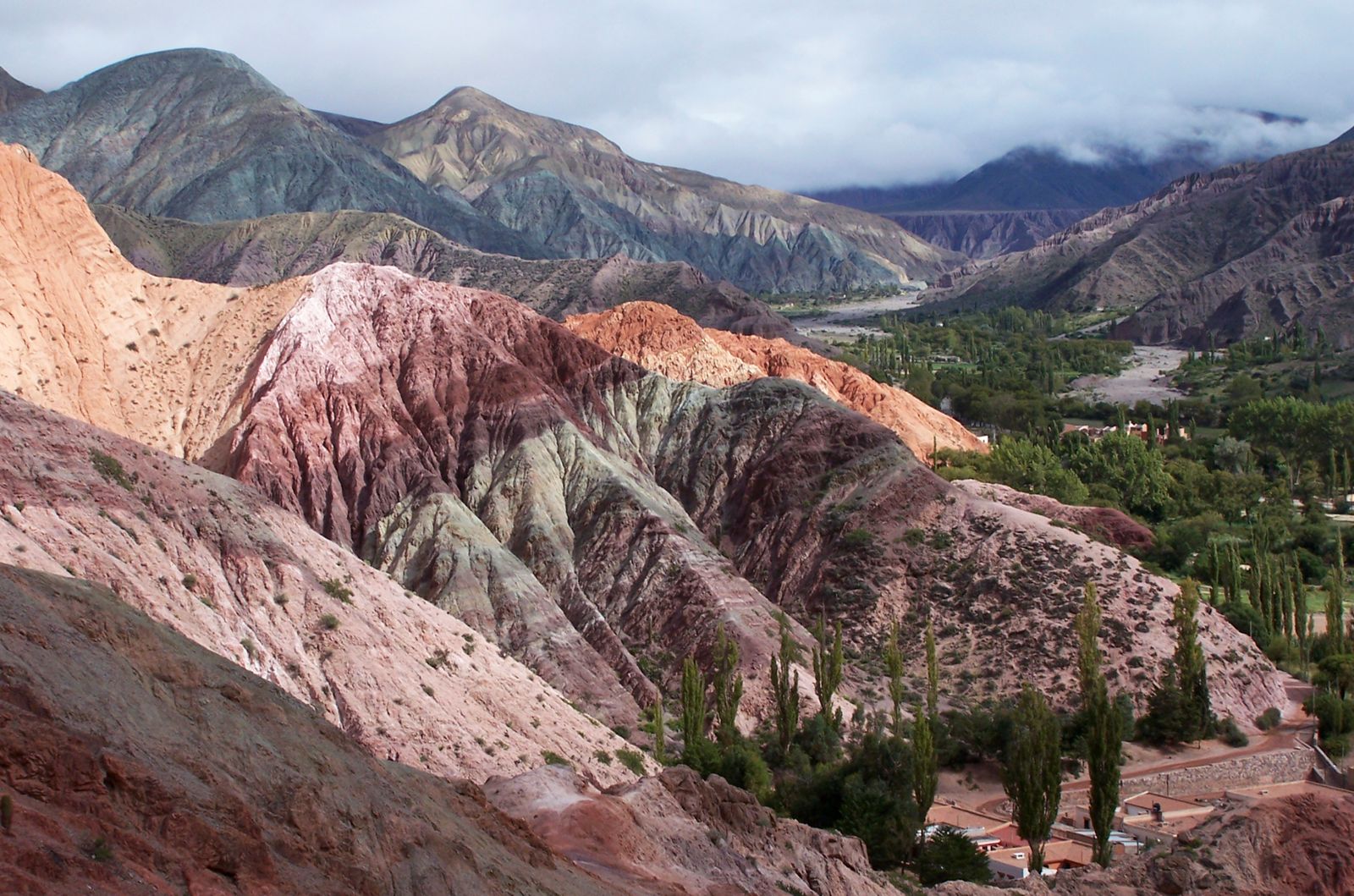
Most people plan Salta and Jujuy as a list of photographs and then discover, somewhere around the second afternoon, that they have arranged them in an order their body disagrees with. This is a trip where the itinerary is not really about distance. It is about altitude, and about a car that may or may not be insured on the roads you have just pointed it at. Get those two things right and the rest of the week is one of the great drives on the continent.
What you're actually looking at
Two provinces, one loop, and a valley that has been a road for ten thousand years.
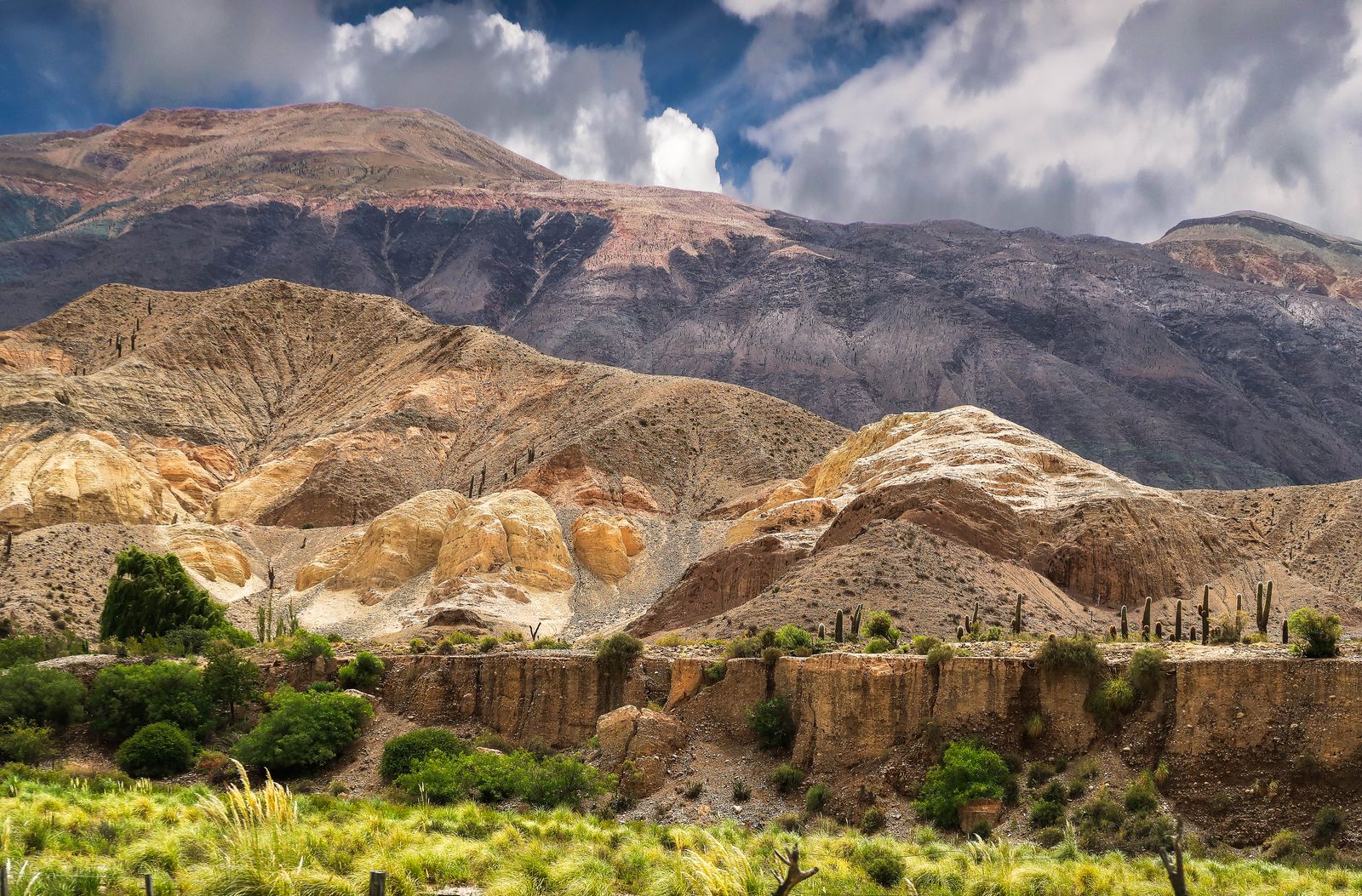
Salta and Jujuy are neighbours in the far northwest, up against the Andes and the Bolivian border. They get talked about as one destination because they are one trip: you fly into Salta, you drive a loop that crosses in and out of both provinces, and you fly home from Salta. Splitting them is something only a map does.
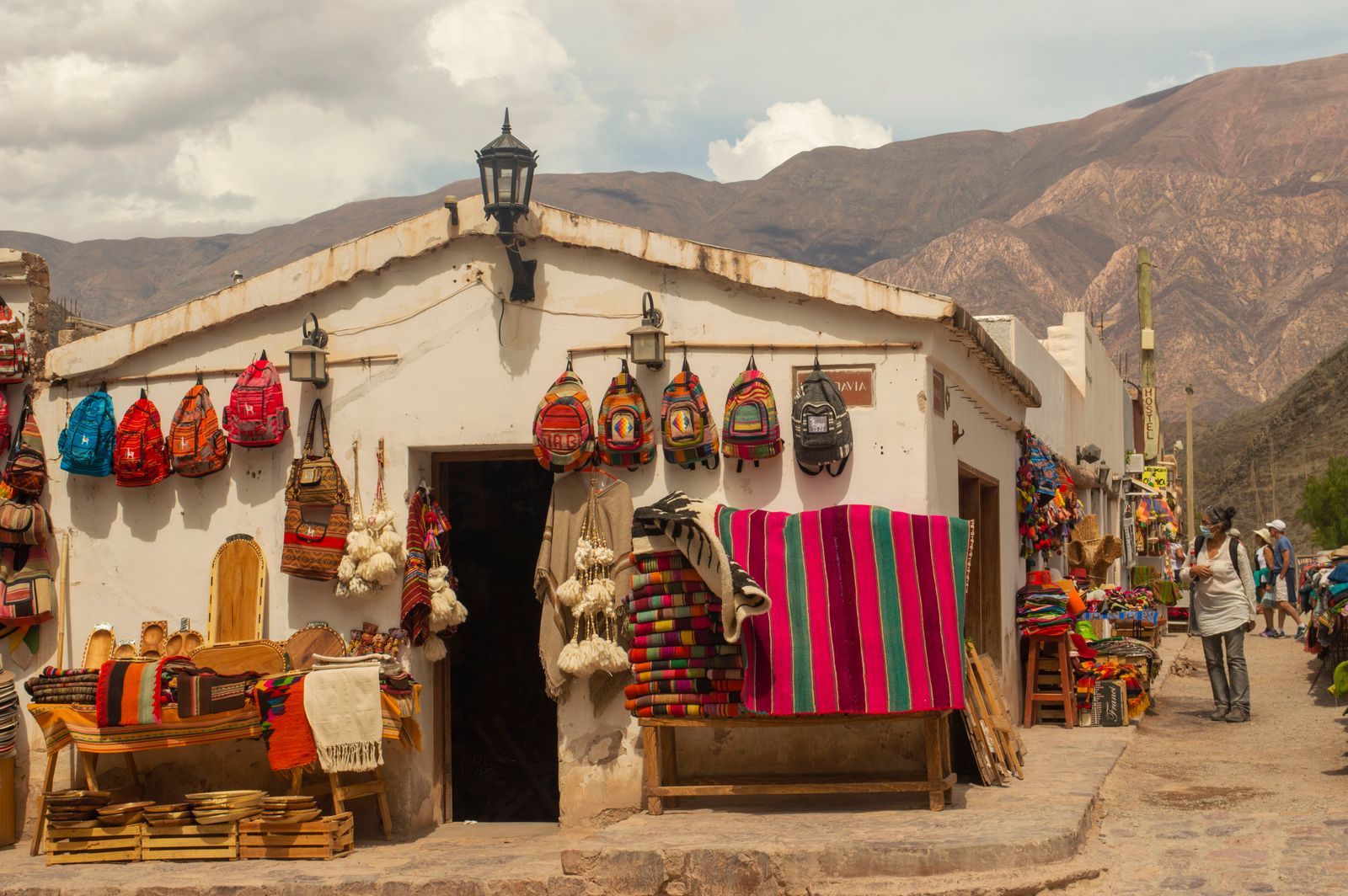
The two halves feel genuinely different. Salta is the wine and the colonial city and the long red canyons south towards Cafayate. Jujuy is higher, drier, more Andean and more indigenous, and it holds the headline: the Quebrada de Humahuaca, inscribed by UNESCO on 2 July 2003 as a cultural landscape rather than a pretty view. The listing is for the road, not the rock. This 155 km valley has been a trade route for something like 10,000 years, it carried the Camino Inca, and the towns strung along it are still working towns rather than a set.
Which matters practically, because it tells you what to do here. The Quebrada rewards stopping in it, not driving through it.
Altitude decides your itinerary
This is the section that changes your week. Read it before you book anything.
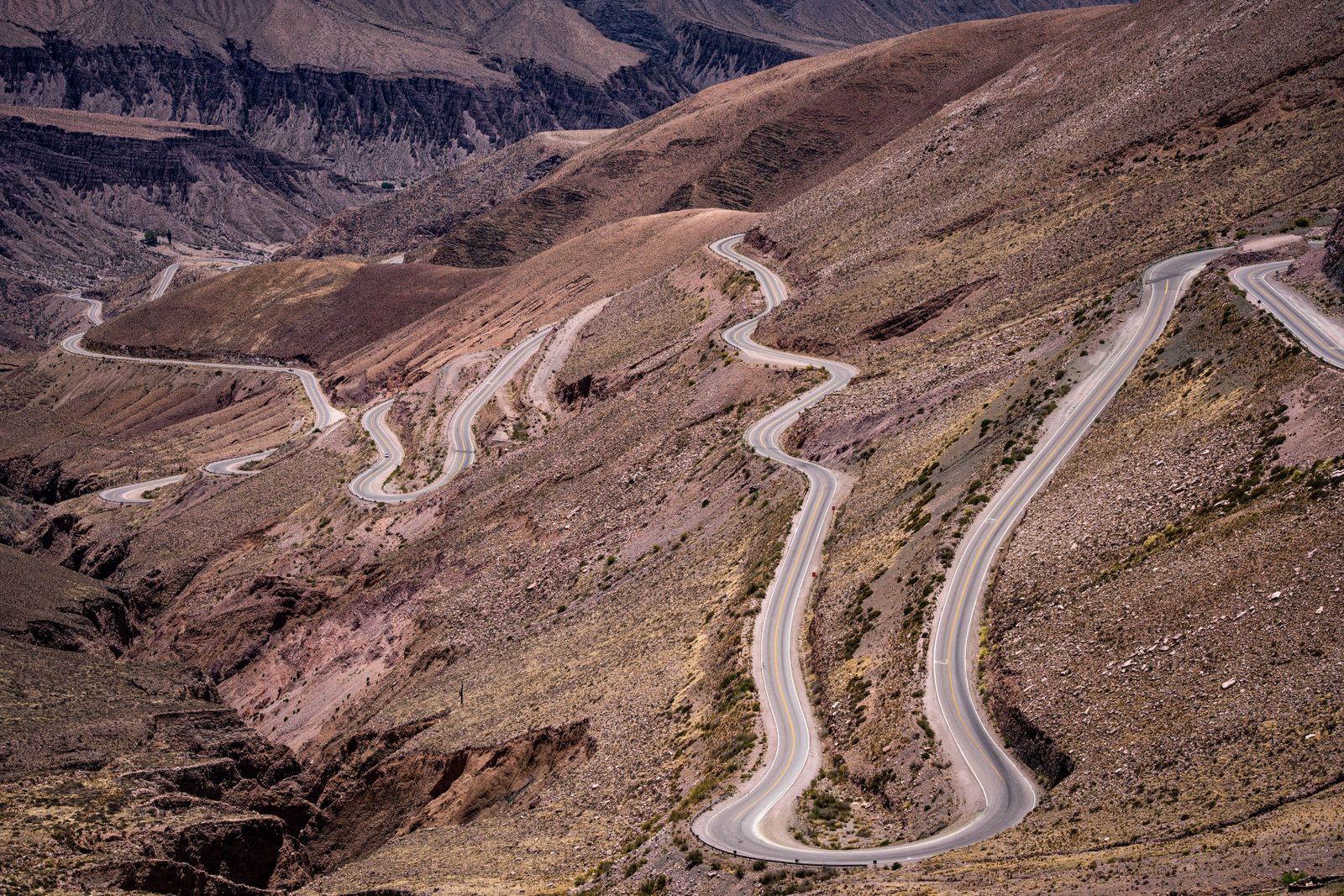
Here is the trip in metres, because this is the number that actually organises it:
- Salta city — 1,187 m. Comfortable. You will feel nothing.
- Purmamarca — 2,192 m. Tilcara — 2,461 m. Humahuaca — 2,939 m.
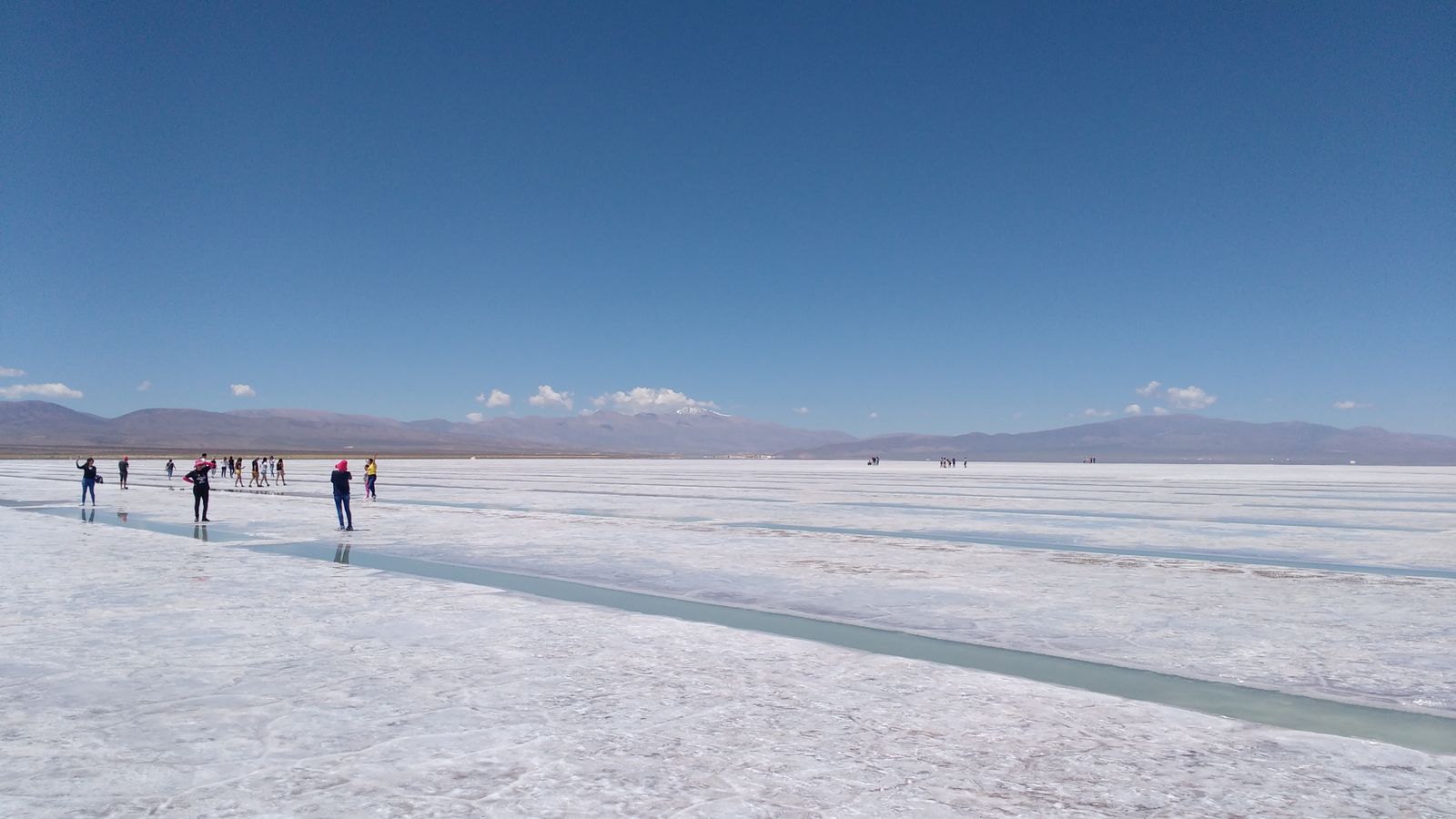
- Cuesta de Lipán, the pass to the salt flat — 4,170 m.
- Hornocal viewpoint — 4,350 m. Abra del Cóndor, on the Iruya road — 4,000 m.
- Viaducto La Polvorilla — 4,220 m, and the railway keeps climbing to 4,475 m past it.
The accepted rule above 2,500 m is that you don't sleep more than about 500 m higher than you slept the night before. Now look at what is sold everywhere as the standard day trip: Salta to Purmamarca to the Salinas Grandes and back. That is 1,187 m to 4,170 m and home again, inside twelve hours, a swing of nearly three kilometres of vertical. Plenty of people do it and are fine. A meaningful number of people spend the afternoon grey-faced in the back of a minibus with a headache like a vice, and they have paid for the privilege.
So sequence it. Sleep in the Quebrada before you go over Lipán. A night in Purmamarca at 2,192 m or Tilcara at 2,461 m, then the salt flat the next morning, costs you nothing you weren't going to spend anyway and changes the day completely.
The rest is unglamorous and works: go up slowly, eat light, drink coca mate, skip the wine the night before you go high, and when you get out of the car at 4,000 m, move like you're seventy. No jogging to the viewpoint, no jumping for the photo, no hauling a bag at speed. Coca leaf, tea and sweets are legal, ordinary and sold everywhere up there. Use them.
The one change that fixes the whole week
If you take one thing from this guide, take this: do not do the Salinas Grandes as a day trip from Salta city. Drive up the Quebrada instead, sleep at Purmamarca or Tilcara, and cross the Cuesta de Lipán the following morning with a night at 2,200 m in your legs. You see the same salt flat in better light, you spend the evening in a town worth an evening, and you dramatically cut your odds of losing a day to altitude sickness. It is the rare travel fix that is cheaper, better and safer at the same time.
The week, in the order that works
Seven nights, climbing gradually, with the high stuff at the end.
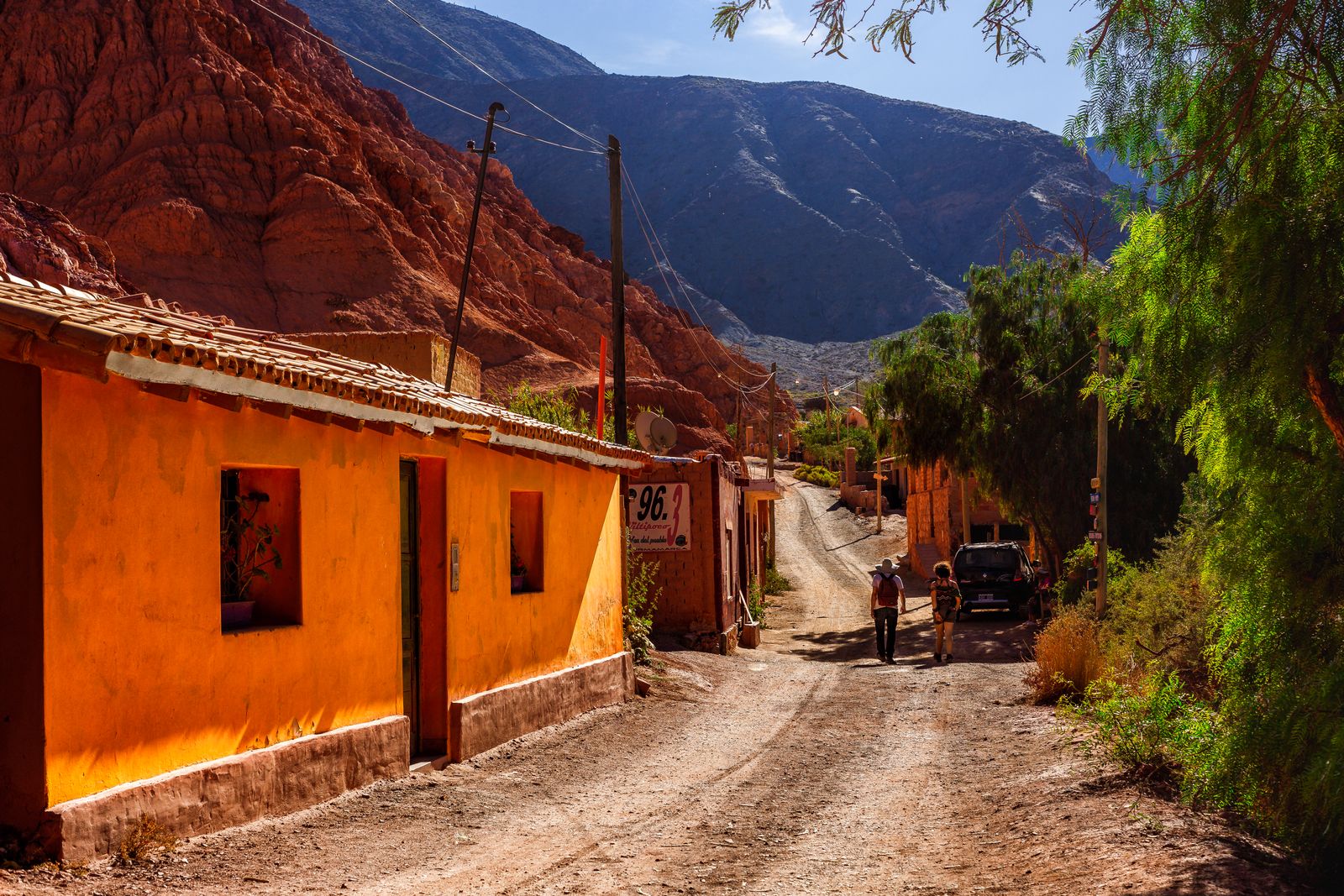
This is a shape, not a schedule. Move it around, but keep the climb going one direction.
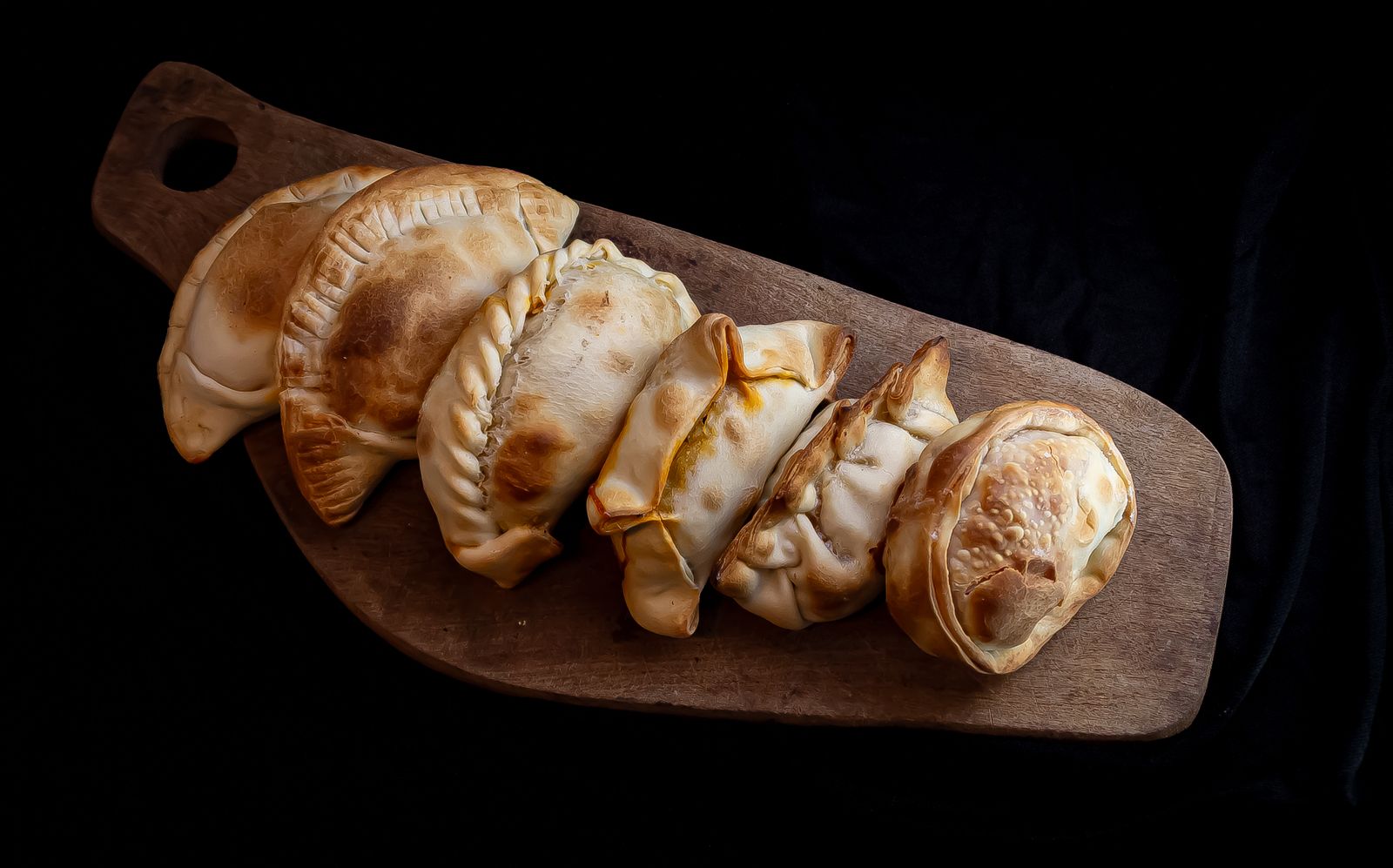
- Nights 1–2 — Salta city (1,187 m). Land, do nothing strenuous, walk the centre, the MAAM, and an evening on Balcarce. Your body starts adjusting while you eat empanadas, which is the best kind of acclimatisation.
- Nights 3–4 — Cafayate (1,660 m), south on RN68 through the Quebrada de las Conchas. About 190 km and three hours if you don't stop, which you will. Wine, and a genuinely gentle altitude step.
- Night 5 — Cachi (2,280 m) north on RN40, then back to Salta over the Cuesta del Obispo. This is the ripio leg. Read the next section first.
- Nights 6–7 — the Quebrada: Purmamarca or Tilcara. From here you do Salinas Grandes one morning and Humahuaca and the Hornocal another afternoon, both from a bed that is already at altitude.
If you only have four or five nights, cut Cafayate and Cachi, not the Quebrada. The wine is lovely and the Quebrada is the reason the region is on a UNESCO list.
Everyone remembers the salt flat. Nobody remembers which night they slept at 2,200 m, which is the night that made the salt flat any good.— On sequencing
The car, and the small print that voids it
The circuit is gravel. Your rental contract may have opinions about that.
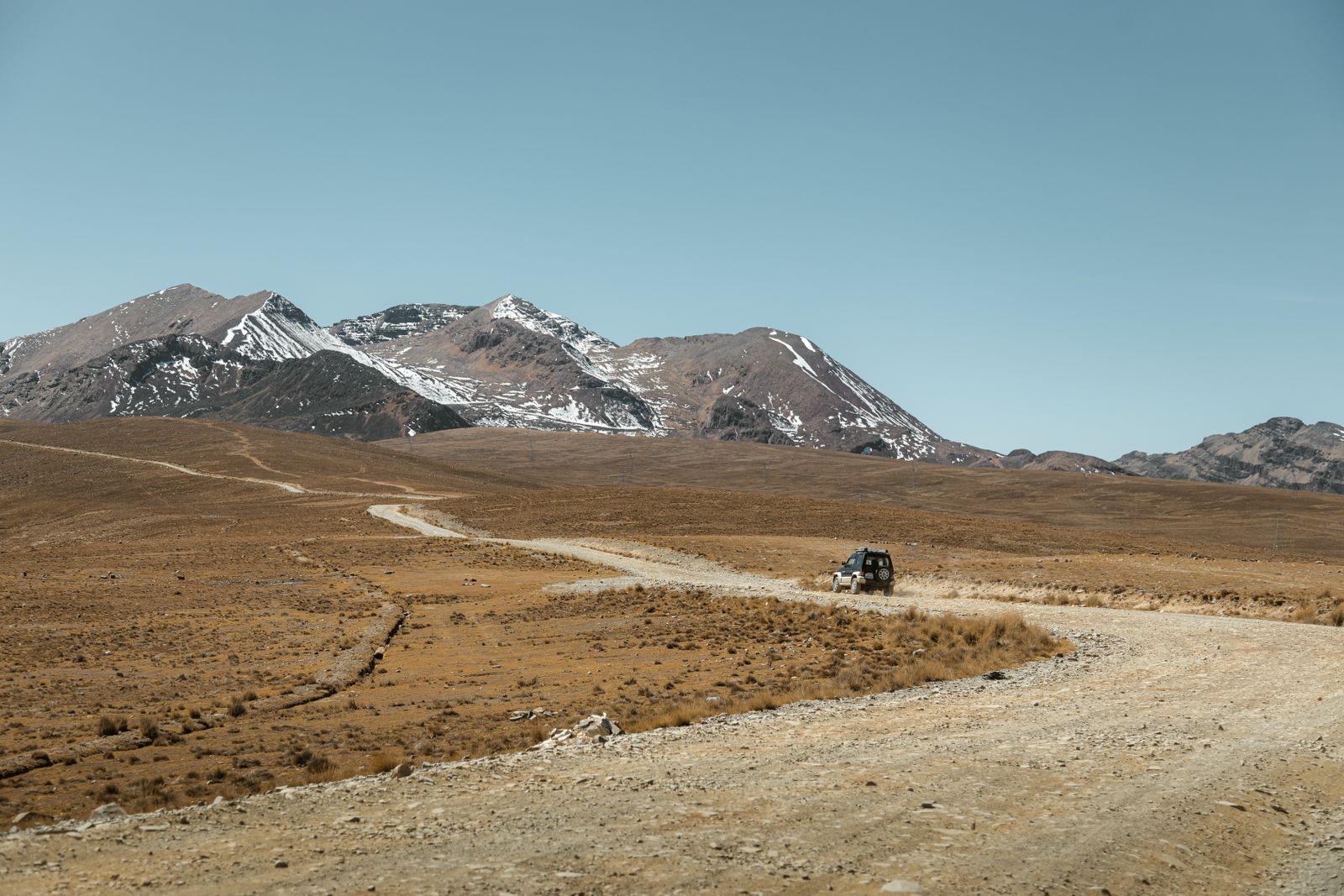
You need a vehicle. There is no public transport to the Salinas Grandes, none to the Hornocal, and the good part of the Calchaquí valleys is a road rather than a place. What nobody tells you at the counter is that several rental agencies restrict or exclude exactly the roads you are about to drive, and travellers regularly report agencies refusing RN40 outright.
- RN40, Cachi to Cafayate — roughly 90 km of ripio. Usually well graded and wide enough for two cars, with a few narrow bits and dry stream crossings that stop being dry when it rains.
- RP33, the Cuesta del Obispo — a paved climb with an 18 km dirt section in the middle that becomes impassable in the rains. Preventive closures were imposed in January 2026 after heavy rain. The province announced in February 2026 that paving would begin in stages around August or September 2026, 16 km of scenic road and seven bridges. When it finishes is anyone's guess, so treat it as dirt and check locally.
- The Hornocal road — about 25 km of unpaved switchbacks from Humahuaca, climbing to 4,350 m.
- Iruya — 21 km of asphalt, then 54 km of ripio over the 4,000 m Abra del Cóndor.
So: take the higher-clearance category, the Duster or Tracker class rather than the cheapest hatchback. Ask the agency in writing which routes your insurance actually covers and keep the reply. Check road conditions in town before the Hornocal or Iruya — the tourism office, the service station and the police all know. Don't drive mountain ripio after dark. And fill the tank whenever you see a station, because there are long stretches, particularly west of Purmamarca, where there simply isn't one.
Money, and why the old advice is wrong
The blue-dollar era is over and most of what's written online hasn't noticed.
Every Argentina guide written before 2025 tells you to bring crisp US hundreds, find a cueva and never touch a card. That advice is dead. On 12 August 2026 the official rate was about 1,465 buy / 1,515 sell and the blue about 1,494 / 1,540 — a gap of roughly one and a half percent. You cannot arbitrage your way to a better trip any more, and hunting a black market to save the price of a coffee is not a hobby, it's a chore.
What actually saves money now: foreign tourists get the 21% IVA on accommodation refunded when they pay with a foreign-issued card or a foreign bank transfer. That is a fifth off every night you sleep, and it is automatic — but only if you pay that way, so don't hand over cash for the room out of habit.
Do still carry cash, for a different reason. The Salinas Grandes community guides, the Hornocal fee, small-town craft stalls, the Iruya road and plenty of family restaurants in the Quebrada work in pesos and only pesos, and there is no ATM where you'll want one. Draw money in Salta or Jujuy city, not in Humahuaca.
Argentine prices move monthly, so every peso figure in these guides is stamped with the month we checked it. Where it matters, we've paired it with dollars, which age better.
When to come
Dry and busy, wet and dramatic, or the two shoulders nobody thinks about.
June to August is dry, clear, cold at night and the high season — July is the Argentine school holiday, and it shows. The 2026 winter break was a record: 267,628 visitors to Salta and 118,193 passengers through the airport, with Cachi at 63.4% and Cafayate at 62.7% occupancy. Book ahead or accept what's left.
January and February are the rains. Landslides, the RP33 preventive closures, and the Tren a las Nubes suspended for roughly ninety days. It is also Carnaval, which is the single best thing that happens in the Quebrada all year, so the mud is a fair trade if that is why you came.
March to May and September to November are the honest answer: dry roads, thin crowds, and the light doing what it does. If you can move your dates, move them here.
One more: August belongs to Pachamama, and the whole month carries it. That's in the culture guide, and it's worth planning around.
Where we would book
Fly into Salta (SLA). It is the region's hub — seven domestic and four international routes, with Río de Janeiro added from December 2026 — and it is where the rental desks are. Jujuy has an airport too and is adding routes, including two weekly flights to Iquique from August 2026, but Salta gives you more options and a cheaper car.
Book the car before you book anything else, in the higher-clearance category, and get the covered-routes answer in writing. Book accommodation in Purmamarca or Tilcara for the Quebrada nights specifically — that's the acclimatisation working for you, and both towns have far more character than a hotel near the Salta ring road. In Purmamarca, La Comarca sits at the foot of the Cerro de los Siete Colores with rooms, cabins and whole houses, which is the useful bit for a group, and Manantial del Silencio is the quieter one 500 m out of town.
Buy the Tren a las Nubes direct if you want it — the operator sells it and prices it by date. Everything else here you buy at the gate, in cash, from the people who run it. That is not a limitation; it is the point.
Related guides
- Salta & Jujuy Food Guide — the empanada argument, llama, and wine ice cream in Cafayate.
- Salta & Jujuy Activities Guide — the drives, the salt flat, and whether the train is worth it.
- Salta & Jujuy Culture Guide — Pachamama, Carnaval, and three children in a museum.
- Salta & Jujuy Group Trip Guide — one truck, six people, and the maths that makes it cheap.
- Buenos Aires Travel Guide — the other Argentina, two hours away, and where your flight connects anyway.