Get on a bike
It's not an activity. It's the operating system.
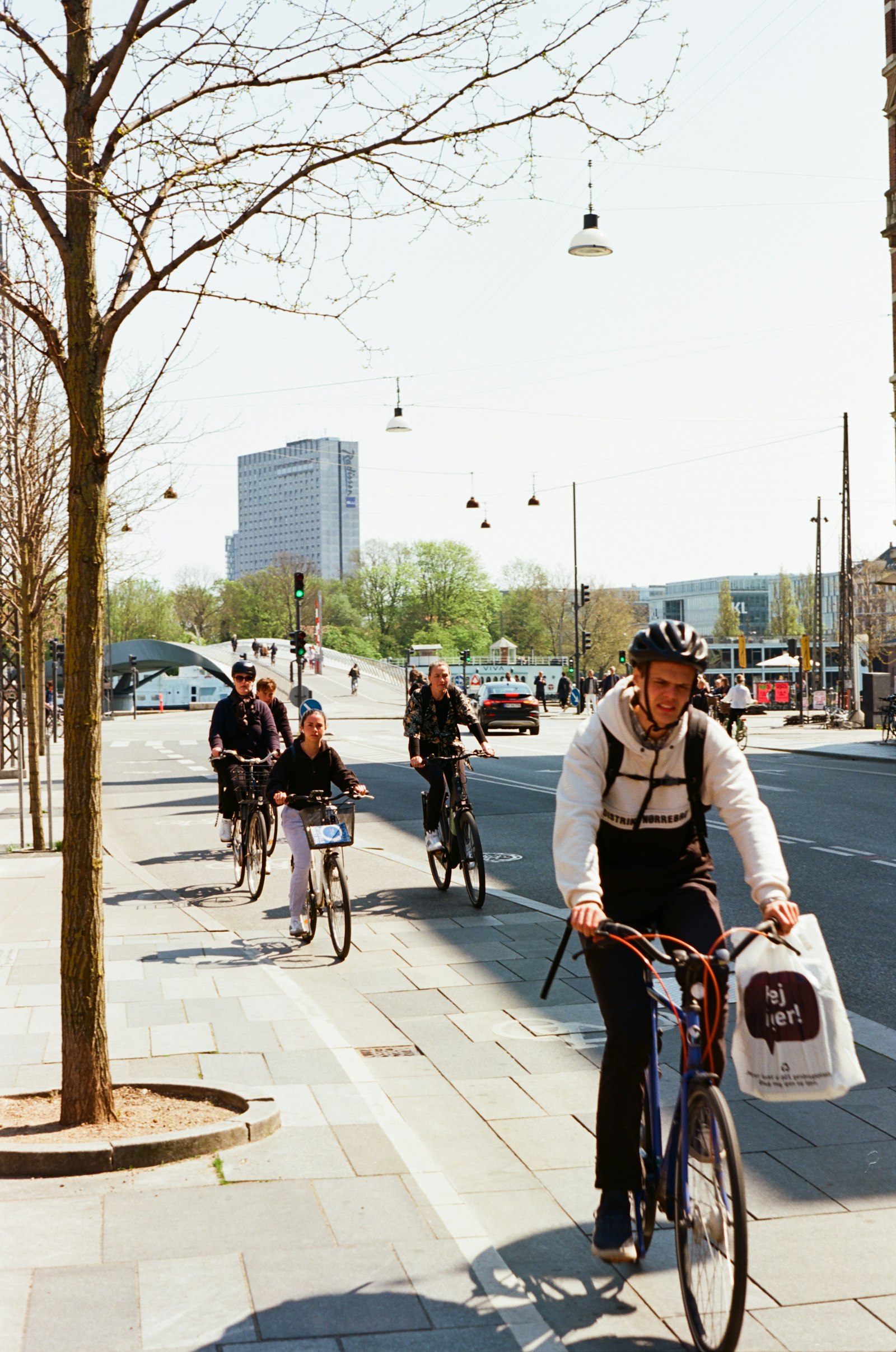
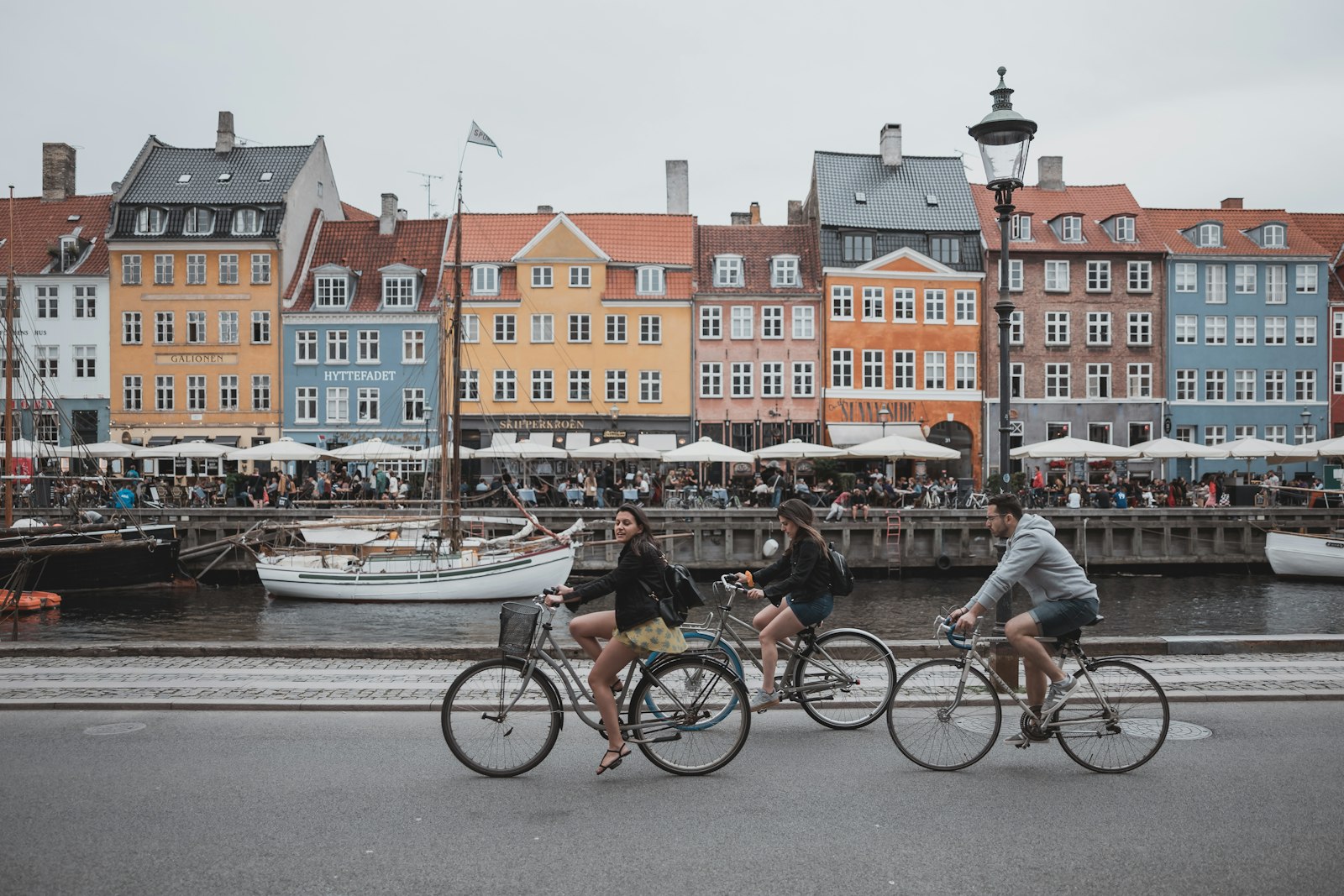
Copenhagen has more bikes than people and the infrastructure to match: wide raised lanes, separate signals, rush hours that look like choreographed flocks. Riding here isn't a brave-tourist stunt the way it is in most capitals — it's the single fastest way to make the city feel like yours. Rent through Donkey Republic (the orange bikes, unlockable by app, droppable near your apartment) and commit for the whole stay rather than by the hour; the day rate beats four metro tickets anyway.
The etiquette is short and absolute: keep right, hand up before stopping, hand out before turning, never walk in the lane. Do a warm-up loop somewhere calm — the Kødbyen lots or Amager's paths — then graduate to crossing Dronning Louises Bro in traffic, which feels like being accepted into a school of fish. Ride out along the harbor front to Refshaleøen and back and you'll have seen more of the city than a bus tour shows in a day.
Swim the harbor
Clean enough to swim in is the city's proudest stat.
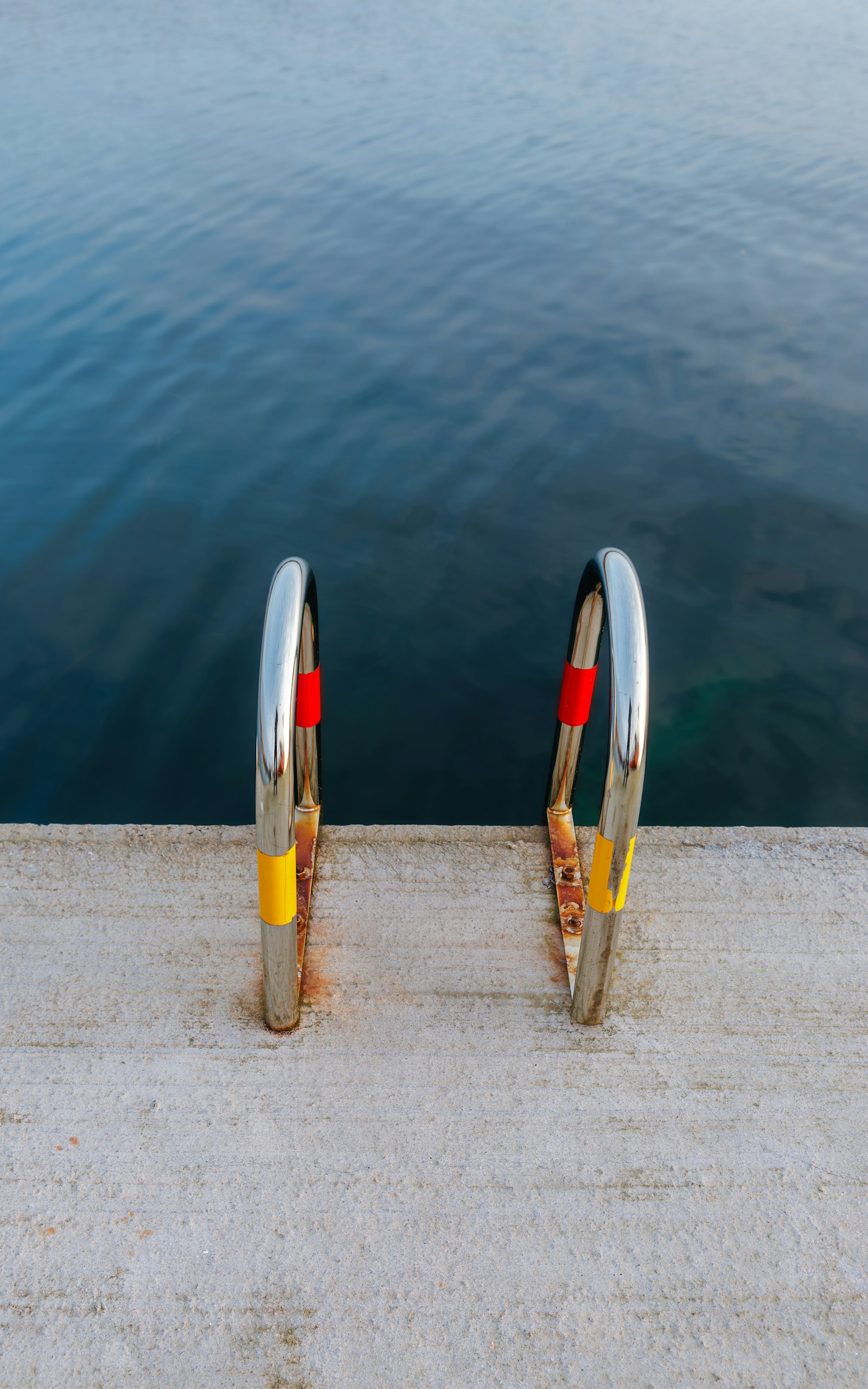
The harbor baths are the great free attraction of Copenhagen. Islands Brygge is the flagship — five basins and diving towers right on the main channel, with lawns that fill up like a festival on any warm day. Kalvebod Bølge, the wavy boardwalk across the water, is the quieter alternative, and La Banchina on Refshaleøen is the cult one: a tiny natural-wine kitchen with a swim ladder and a wood-fired sauna, where the agenda is dip, glass, repeat.
Two notes for groups: the water is brisk even in July — in by consensus, no pushing — and swimming is only allowed in the marked zones, because the harbor is still a working waterway. In winter the culture doesn't stop; it just adds saunas. Book a slot at one of the harbor sauna clubs and learn why Danes look so smug in February.
The harbor is the city's swimming pool — free, clean, and open all summer.— On Islands Brygge
Get on the water
Captain your own picnic.
GoBoat
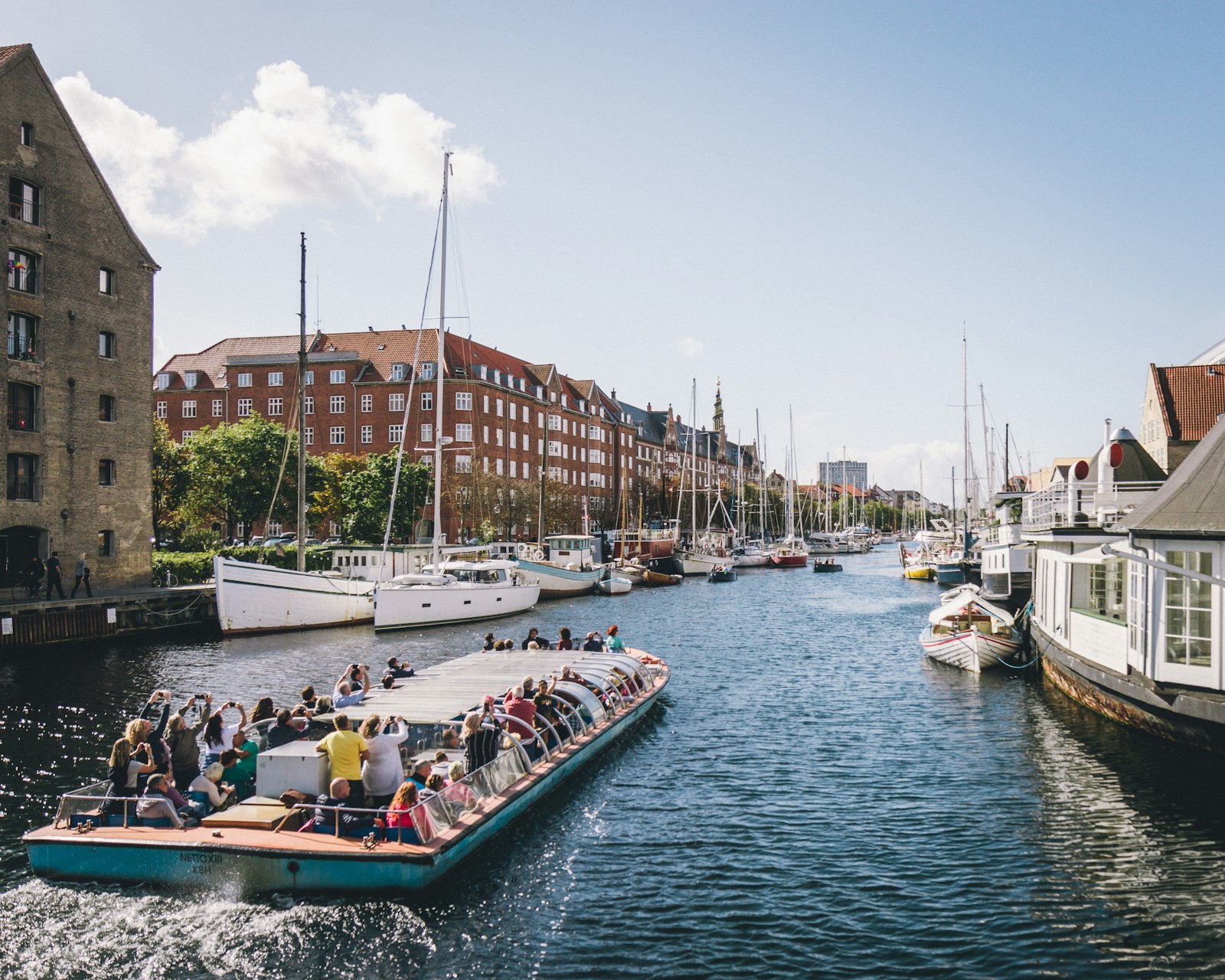
Solar-electric picnic boats with a table in the middle, no license required, rented by the hour from Islands Brygge. Eight people, a cooler, two hours of canals — under the bridges of Christianshavn, past Nyhavn's masts, around the opera house. It is the single best group activity in the city, and the person steering gets to feel like a captain for the price of a pizza each.
If you'd rather be driven, the classic canal tours from Ved Stranden are cheap, good, and an honest hour of orientation — skip the pricier Nyhavn departures for the same route. Kayak rentals and even kayak-polo exist for the sporty; the harbor buses exist for the lazy. There is no version of Copenhagen where you stay dry-docked.
Tivoli, honestly
Yes, it's worth it. Go at night.
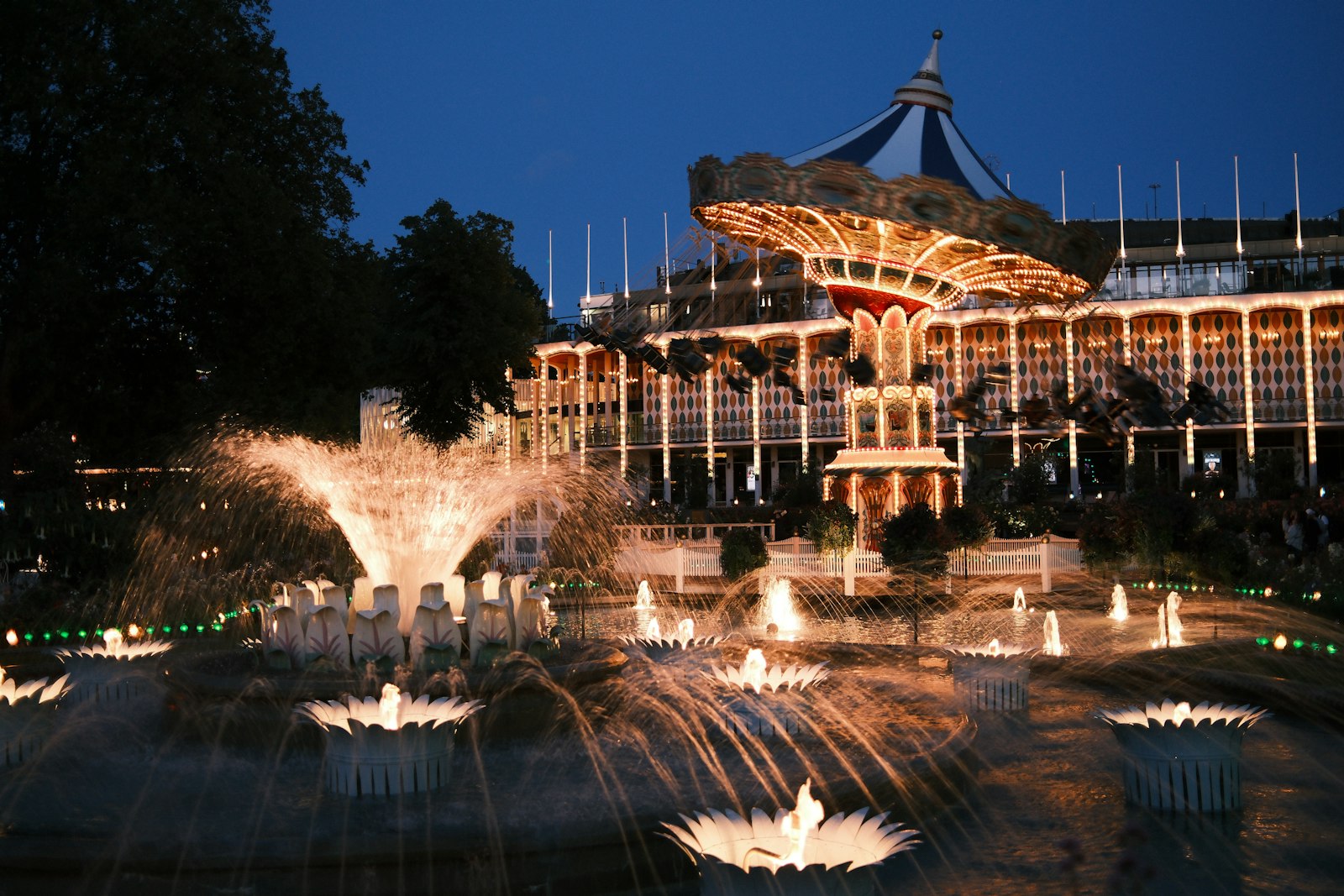
Tivoli Gardens is an 1843 amusement park in the dead center of the city, and the reason it survives is that it never became a theme park — it's gardens, lakes, stages, and restaurants that happen to contain a 1914 wooden roller coaster. Locals hold season passes the way other cities hold gym memberships. Go after dinner when the lanterns come on, ride the old coaster (a brakeman still rides along), and budget for entry plus a ride pass if your group wants the hardware. In December it becomes the Christmas card the whole country is mailed inside of.
CopenHill and the new harbor
The power plant you can ski down.
Copenhagen built a waste-to-energy plant so clean they put a year-round ski slope on the roof — that's CopenHill, and it's exactly as fun as it sounds. Ski or board on the synthetic surface, or skip the gear and walk the free rooftop trail to the summit bar; the 85-meter climbing wall on the building's face is the world's tallest, for the one friend who needs that. Pair it with Reffen's street food and a La Banchina swim for the full Refshaleøen day — the old shipyard island is the best afternoon-to-midnight arc in the city.
Down the coast, Amager Strandpark gives you an actual beach 15 minutes from the center by metro — locals' move for the genuinely hot days.
Parks and the lazy afternoon
Engineered for doing nothing, beautifully.
The King's Garden by Rosenborg is the default picnic, all rose beds and castle backdrop. Frederiksberg Gardens is the romantic one — canals, follies, and a path where you can see the zoo's elephants for free across the moat. Assistens Cemetery in Nørrebro doubles as the neighborhood park, sunbathers and philosophers' graves together, and it's the most Copenhagen place in Copenhagen. Buy the bakery bag first; these lawns punish the unprepared.
Day trips that earn the train ride
Three coasts, one bridge, all under an hour.
- Louisiana Museum of Modern Art (35 min north) — the museum-on-a-coastline that justifies the whole trip; full case in the culture guide.
- Helsingør & Kronborg (45 min) — Hamlet's actual castle on the sound, plus the excellent Maritime Museum sunk into a dry dock next door. Combine with Louisiana on the same coastal line.
- Malmö, Sweden (40 min over the Øresund Bridge) — a second country for lunch. Bring your passport; the bridge is the one from the crime shows.
- Roskilde (25 min) — Viking ships raised from the fjord and the cathedral where Danish royals are buried. The most underrated half-day on this list.
- Dragør (35 min by bus or a flat bike ride) — a yellow-walled fishing village south of the airport, ideal as a slow morning with ice cream.
Where we would book
GoBoat direct on their site — summer weekend slots go days ahead, and the official price is the only price. CopenHill ski sessions and the sauna clubs likewise book direct. Tivoli tickets from the official site; train day trips on the DSB app the morning of (no advance pricing games on these routes, and Louisiana sells a combined train-plus-entry ticket at Copenhagen stations that's the rare bundle actually worth it). The canal tours and harbor baths need no booking at all — just sun.
Related guides
- Your Copenhagen Travel Guide: Three Days, Honestly Done — the full plan.
- Copenhagen Food Guide — what to eat after the swim.
- Copenhagen Culture Guide — for the rainy-day pivot.
- Venice Activities Guide — another city where the water is the itinerary.
- Copenhagen Group Trip Guide — the same harbour and boats, split by the boatful.