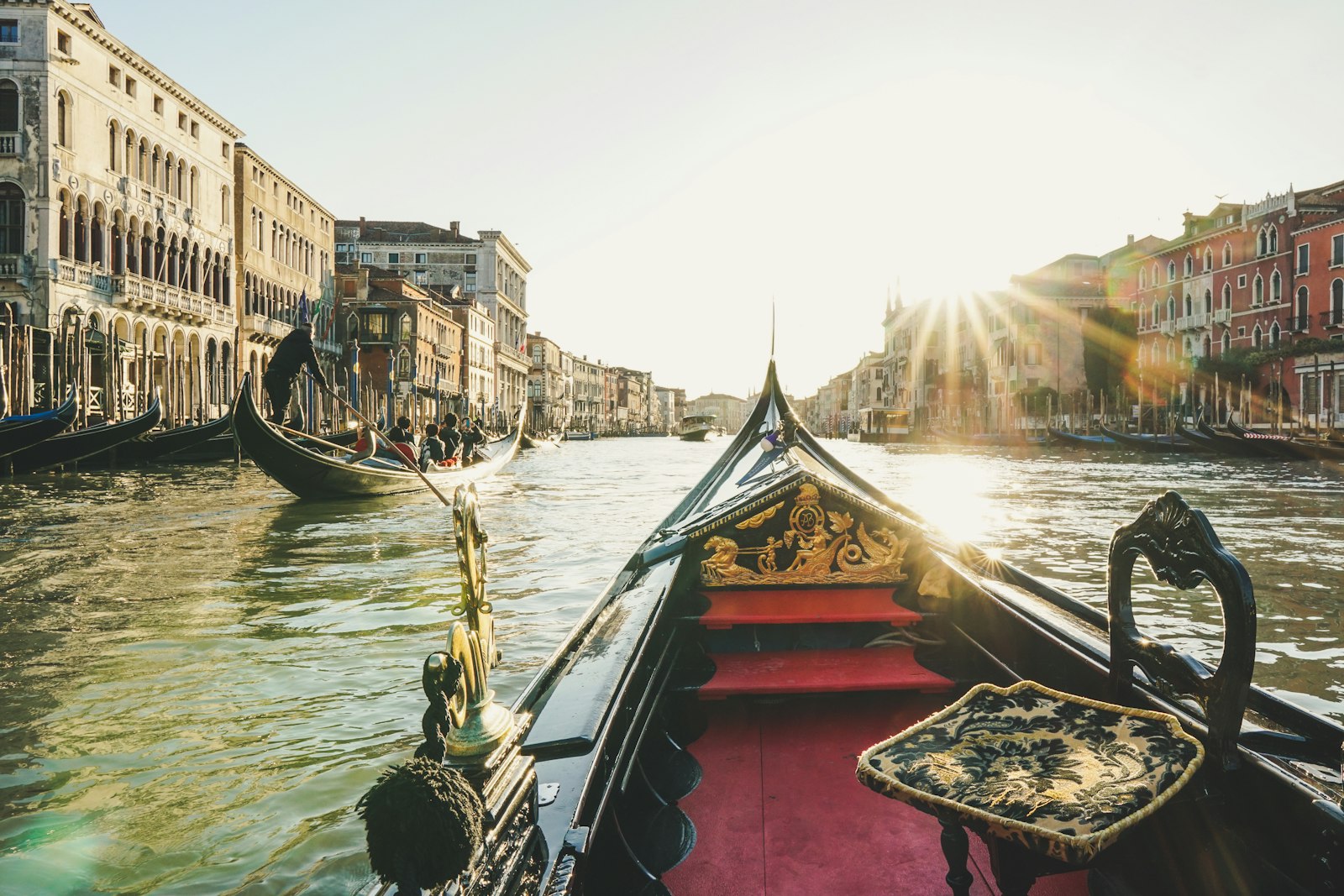
The lagoon is the activity
Venice isn't a city with water features. It's water with a city in it.
The mistake is treating Venice as a checklist of interiors with some boats in between. The lagoon is the main event: the islands strung across it, the working boatyards, the rowing stroke invented for it, the views back across it. Plan one full day on the water and the rest of the trip gets better — the paintings in the culture guide are mostly paintings of this.
The islands, done in the right order
Glass in the morning. Color for lunch. Silence after.

Vaporetto line 12 from Fondamente Nove covers the lagoon's big three, and the order matters:
- Murano first (10 minutes out) — the glass island. Go early enough to catch a furnace working: a maestro pulling a horse or a goblet out of molten glass in ninety seconds is genuinely worth the trip. Buy from a workshop's own showroom if something speaks to you; skip the megastores with tour-bus pricing. The Glass Museum is a solid hour if the weather turns.
- Burano for lunch (30 more minutes) — the fishermen's island where every house is a different saturated color, allegedly so the boats could find home in the fog. Book Trattoria al Gatto Nero if you want the famous risotto, or grab fritto misto in a paper cone and eat it on the dock. The lace shops are mostly imports now; the real thing survives in the small museum.
- Torcello to finish (5 minutes from Burano) — the lagoon's first settlement, now nearly empty: a grass path, a stone bridge without parapets, and a cathedral begun in 639 whose gold mosaics — a serene Madonna on one wall, a graphic Last Judgement on the other — predate everything in San Marco. The hour you spend here is the one the group brings up later.
Door to door it's a full day, with the 3-day vaporetto pass covering every leg. Avoid Sundays, when half the Veneto has the same idea.
Gondola, traghetto, or oar
Three ways onto the water. One costs €2.

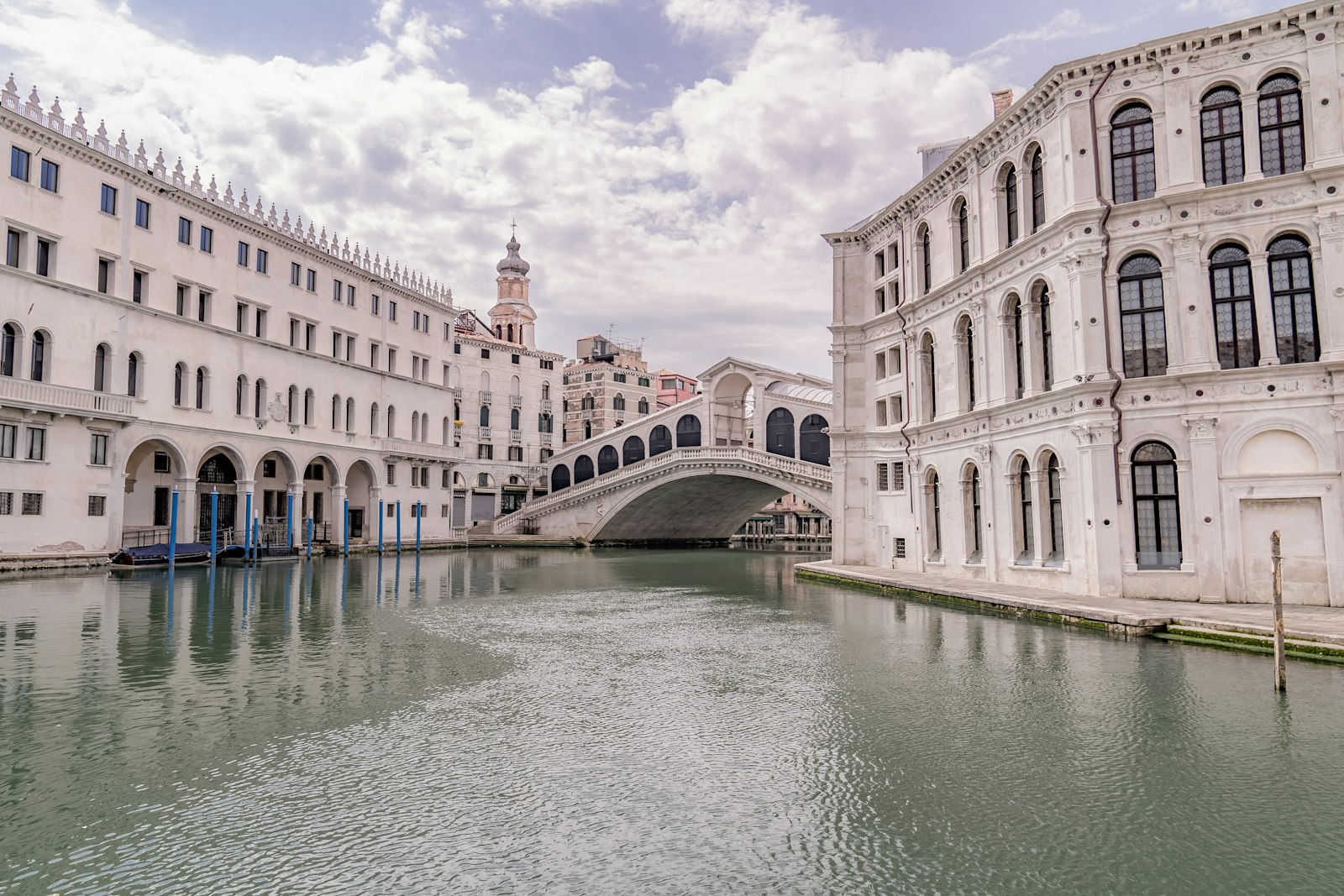
The official gondola rate is €90 for 30 minutes (€110 after 7pm), per boat, not per person — five of you split it into a defensible €18 a head. Do it once, at golden hour, on the small back canals where the silence is the product; nobody needs the serenaded Grand Canal flotilla. The traghetto is the local's version: a standing gondola ferry across the Grand Canal, €2, forty seconds, and a decent thrill in chop.
Row Venice
A ninety-minute lesson in voga alla veneta — the standing, forward-facing stroke gondoliers use — on a traditional batela, taught by a crew of mostly women rowers on Cannaregio's quiet canals. Around €120 for a boat of four, it's the rare tourist activity locals actually approve of, and the best money-to-memory ratio in the city.
The views without the queue
Skip the famous campanile. Aim one at Venice instead.

- San Giorgio Maggiore — two minutes by vaporetto from San Marco, a lift to the top (€8), and the only panorama that has Venice in it. The San Marco campanile's queue is an hour for a view of rooftops minus the city's best skyline piece.
- T Fondaco dei Tedeschi rooftop — the department store by the Rialto runs free 15-minute rooftop slots; book online a few days ahead for the Grand Canal's signature bend from above.
- Scala Contarini del Bovolo — the corkscrew Renaissance staircase hidden in a San Marco courtyard. Small ticket, short climb, disproportionately good.
A gondola is €90 well spent exactly once. The traghetto is the same water for €2.— On crossing the Grand Canal
Walks: getting lost on purpose
The maze is the attraction. Surrender to it.
- Cannaregio's fondamente — long, straight, canal-side, and local. Start in the old Jewish Ghetto (the first place to bear the name, with a moving small museum) and drift east along the Misericordia as the bars fill.
- Castello's Via Garibaldi — Venice's widest street and most normal life: a morning market, old men arguing about football, the green relief of the Giardini at the end.
- The Zattere — Dorsoduro's south-facing promenade. Sunset, gelato from Nico, the Giudecca going pink across the water.
The only navigation skill you need: the yellow signs point to San Marco, Rialto, and Ferrovia. Everything else is allowed to happen to you.
When the water calls
Kayaks, beaches, and the free cruise.
Certified operators run kayak tours through the quieter canals in the early morning — strange and wonderful, eye-level with the water doors. June through September, the Lido turns beach day: vaporetto to the island, rent a couple of umbrella-and-lounger setups, and swim in the Adriatic an hour after breakfast in a Gothic city. And the cheapest great boat ride in Europe stays undefeated: vaporetto line 1 down the full Grand Canal at dusk, front seats if you can get them, covered by the pass you already bought.
Rainy day / acqua alta plan
The city floods politely. Have a list.
If the sirens sing (autumn and winter, usually a few hours around high tide), the city lays out raised walkways and life continues in rubber boots. It's the day for the long museums — the Accademia and the Doge's Palace swallow three hours each — or for Libreria Acqua Alta, the bookshop that shelves its stock in gondolas and bathtubs precisely because of days like this. The MOSE barriers now hold back the worst tides, so treat it as theater, not catastrophe.
Where we would book
The vaporetto pass on the official AVM Venezia app or at the dock machines is the only transport booking that matters — the islands need nothing else. Row Venice books direct on its own site, and deserves it. Gondolas don't need booking — agree the route and the official rate at the dock. For kayak tours and Murano furnace visits with a confirmed demonstration, GetYourGuide carries the operators we'd actually use.
Related guides
- Your Venice Travel Guide — three days, honestly done.
- Venice Food Guide — the bacaro crawl this day plan keeps interrupting.
- Venice Culture Guide — for when the lagoon rains you indoors.
- Mexico City Activities Guide — a megacity's version of the same promise.
- Venice Group Trip Guide — the same city, planned for six or ten of you.