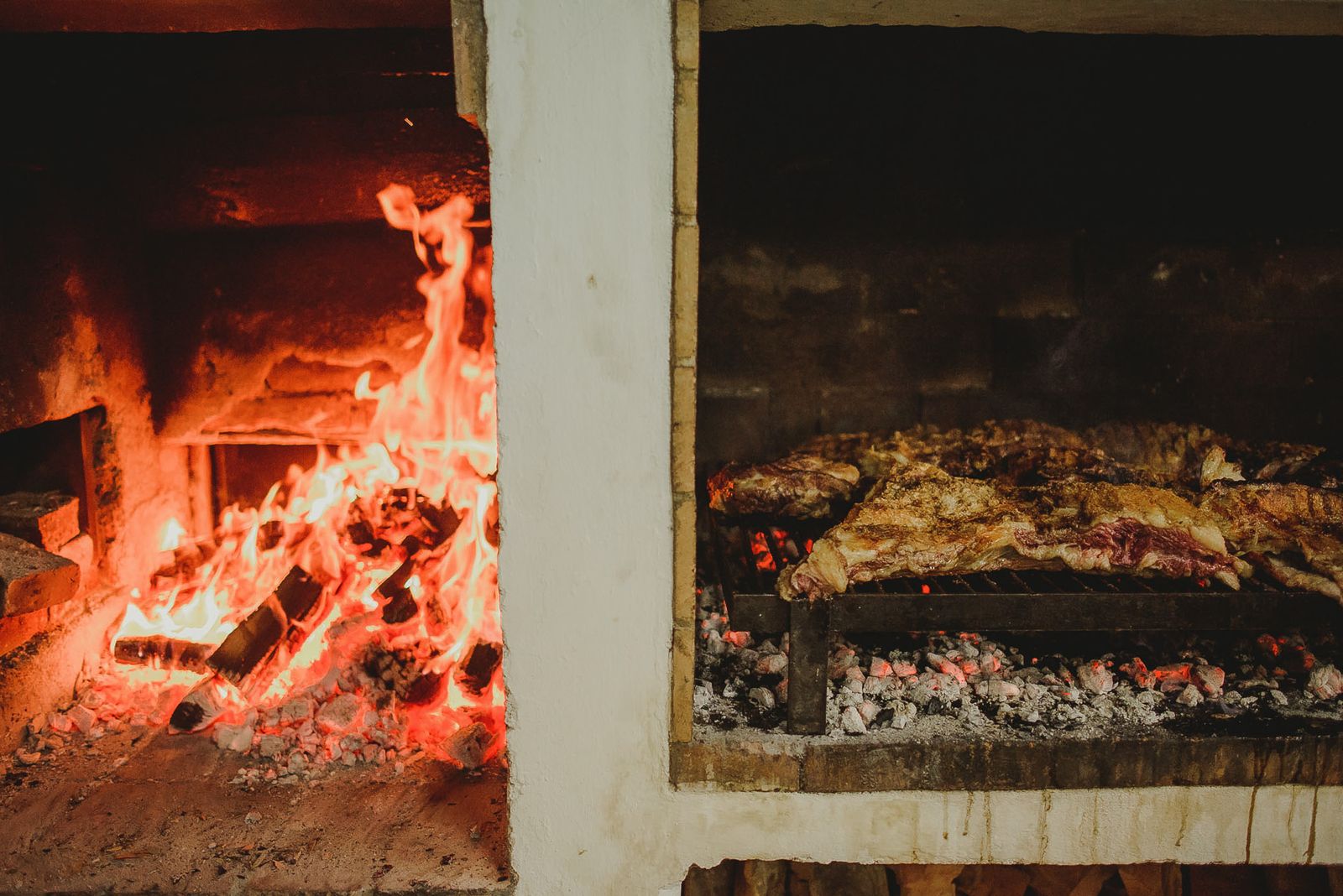
Bariloche's food reputation is chocolate, and its chocolate reputation is Swiss, and neither of those is quite true. The chocolate is Italian and it's mostly one family. The best meal in the area is cooked under turf in a hole in the ground and served at two in the afternoon, twice a week. And the thing you'll actually think about later is a leg of lamb that took eight hours.
Calle Mitre is a family tree, not a tradition
Four famous chocolate houses, one Italian surname behind them.
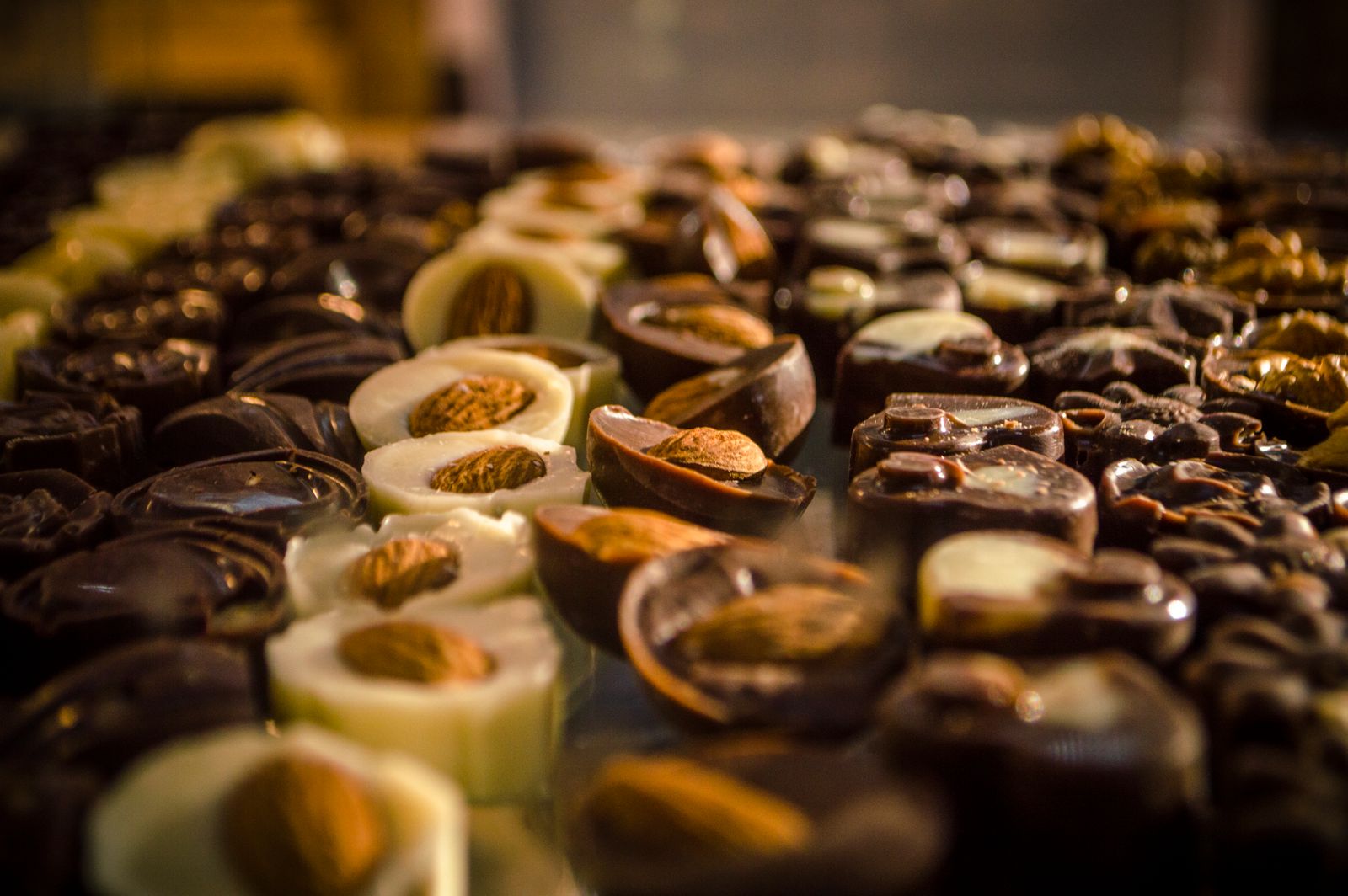
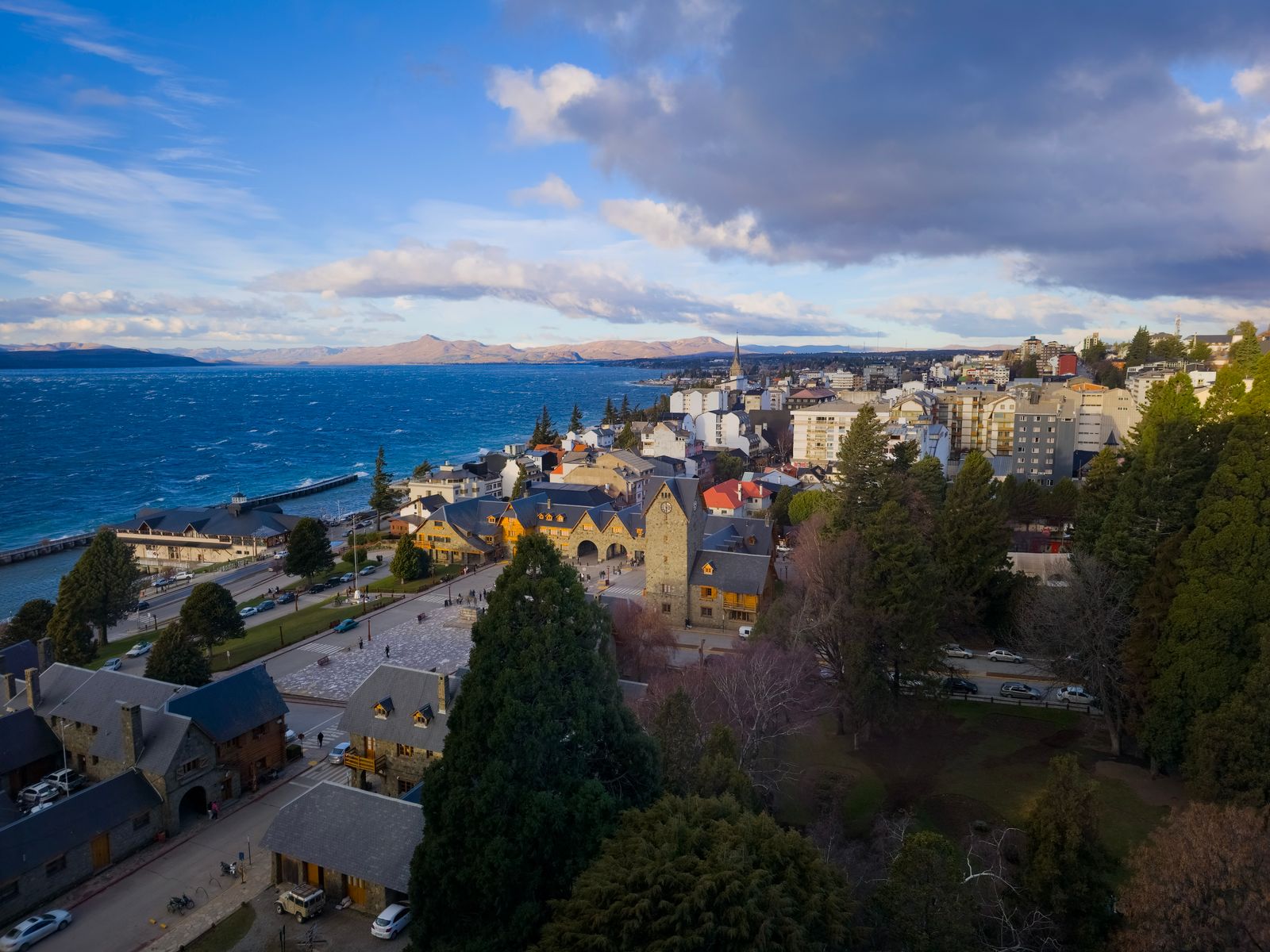
Walk east from the Centro Cívico and there's a chocolate shop every thirty metres, each with Alpine lettering and a queue. It reads like a dozen competing traditions. It isn't. El Turista, Benroth, Mamuschka and Rapa Nui all trace back to the same line: Aldo Fenoglio, an Italian immigrant who started making chocolate here in 1947, and the family businesses that branched off him.
So the two you want are the two that took the tradition in different directions. Rapa Nui, at Mitre 202 right by the Centro Cívico, is the big showpiece — go for the helado as much as the bars, and the queue moves faster than it looks. Mamuschka, at Mitre 298, founded in 1989, is the red shopfront with the matryoshka dolls and roughly 110 different chocolates, and it's the one locals hand you when you ask. Buy by weight, not by gift box; the gift boxes are for people at the airport.
The honest framing, which is also the town in one sentence: Bariloche's Swiss chocolate street is an Italian family's, wearing an Alpine sign that the government commissioned. The chocolate is genuinely very good. It just isn't from where the shopfront says.
The curanto at Colonia Suiza
A meal on a timetable, cooked under the ground. Wednesdays and Sundays.
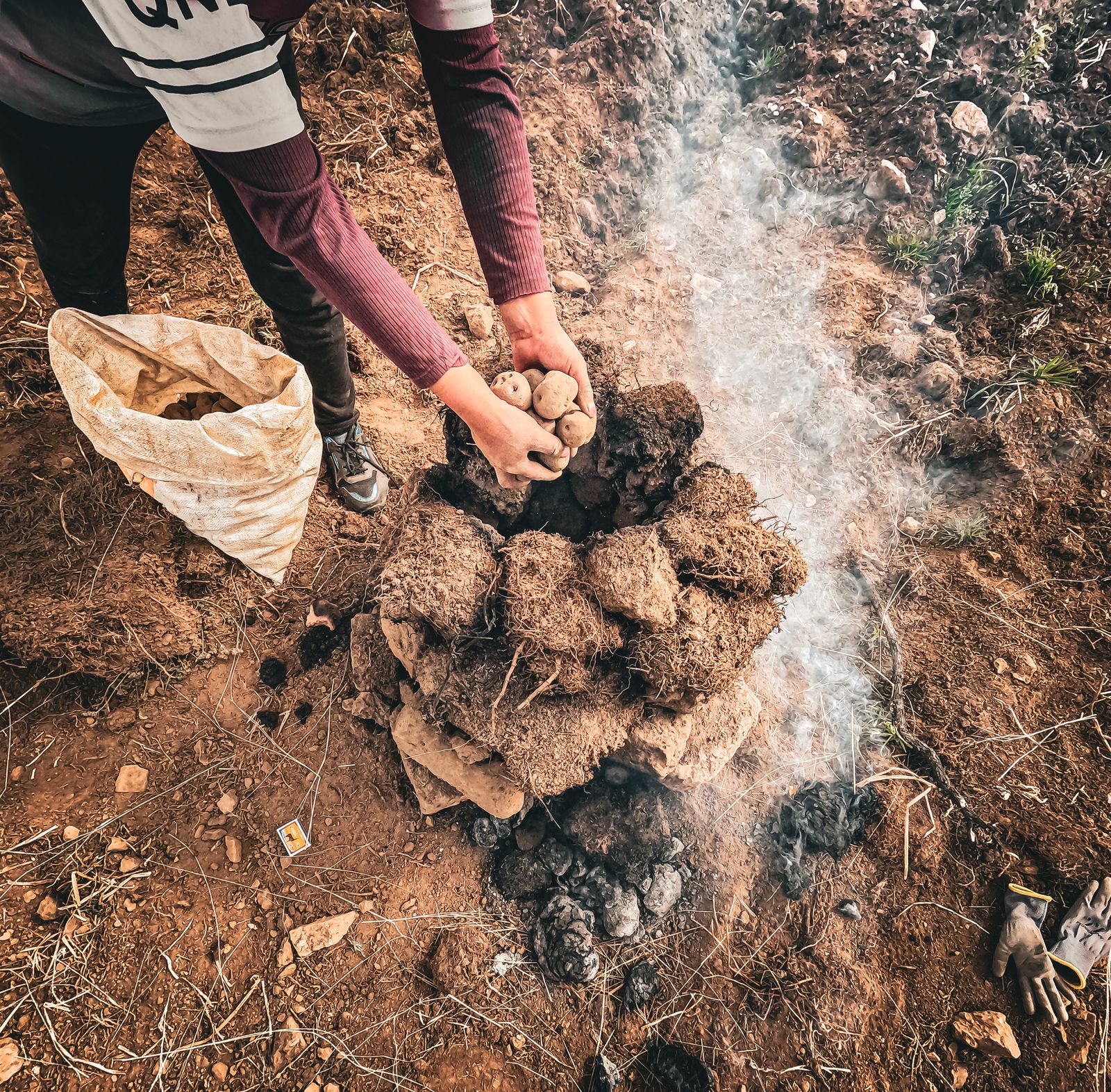
Twenty-five kilometres out, inland off the Circuito Chico, Colonia Suiza runs a feria regional on Wednesdays and Sundays, 11:00 to 18:00. That's the setting. The reason to go is the curanto.
It's a technique before it's a dish, and it comes from Mapuche and Chilote earth-oven cooking rather than from anywhere in Europe. Stones are heated in a pit until they're white. Meat, chicken, chorizo, potatoes, vegetables — sometimes shellfish — go in layered over them, covered with nalca leaves and then with turf, and the whole thing is buried and left to steam. When they open it, the steam goes up in a column and everyone crowds in, which is the best two minutes of the week.
Get the timing right or don't bother
The oven goes into the ground around 12:00 and is served around 14:00. That's the whole event. Turn up at 16:00 and you've come to a craft fair. Aim to be there by 13:30, bring cash — the feria doesn't take cards — and eat outside at a wooden table with the lake through the trees.
Price moves with Argentine inflation, so treat this as a marker rather than a quote: a two-person plate was AR$40,000 when Río Negro reported on it in March 2025. Assume more now. It is still, per head, one of the best-value meals in Patagonia, and it's the one a group should build a day around: the feria, the curanto, then the short walk down to the shore while everyone digests.
Cordero, trucha, ciervo
The three things this region actually does, and where to eat them.
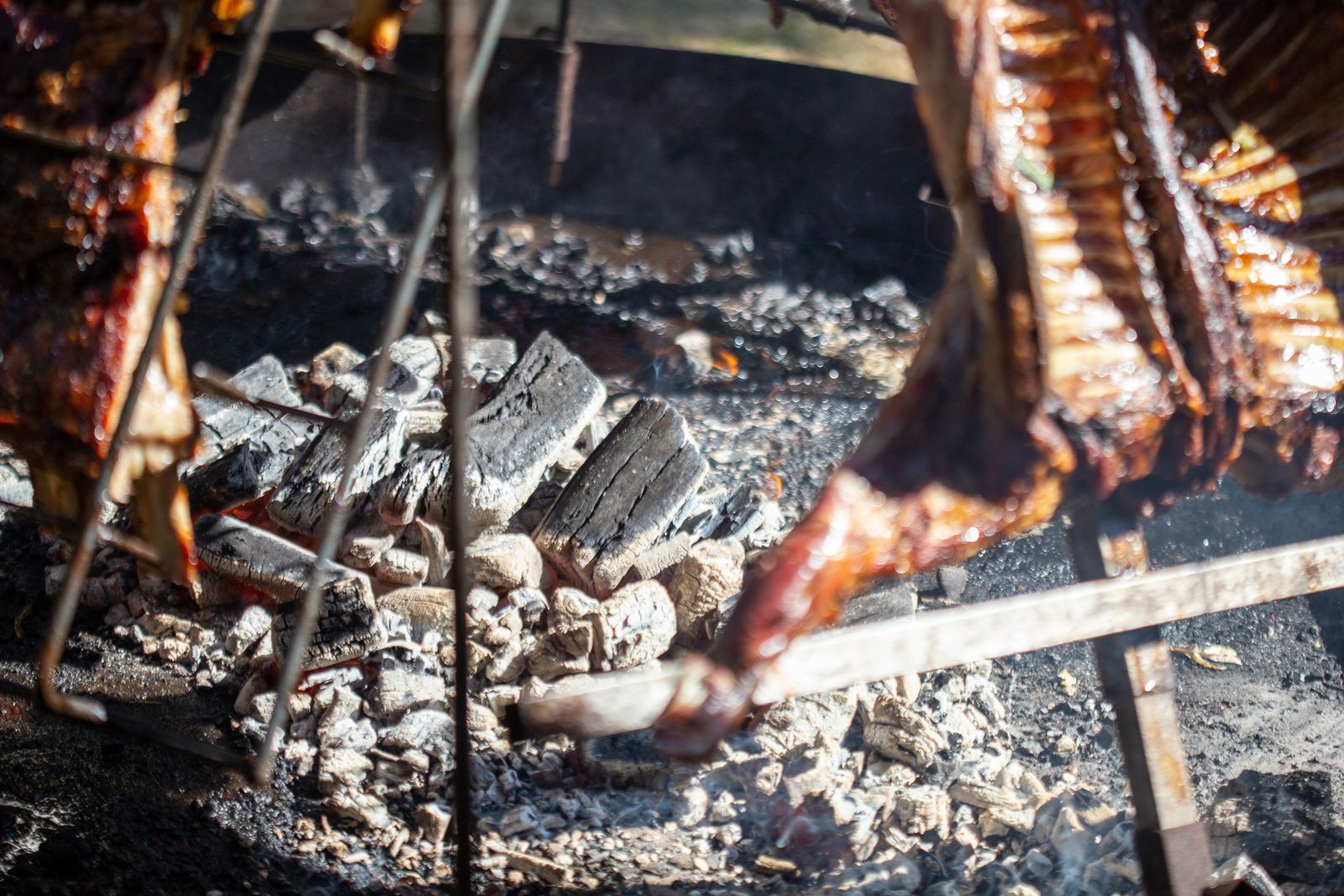
Cordero patagónico is the plate. Patagonian lamb, cooked slowly, often splayed on a cross over embers — al asador — for six or eight hours until it pulls apart. Then trucha, trout out of these same lakes, usually grilled whole or done with butter and almonds. Then the game: ciervo (venison) and jabalí (wild boar), which show up as goulash, in ravioli, and cured into the smoked-meat plates that start every meal here.
Where to go, with a reason each. Alto El Fuego is the parrilla to book if you're only doing one — a proper fire-first room, and where we'd send you for the lamb and the bife de chorizo. El Boliche de Alberto is the institution: enormous portions of grilled meat, no ceremony, always full, and worth knowing that the pasta branch is a separate restaurant with the same name, so check which door you're booking. Butterfly is the small tasting-menu one, a handful of tables and a set dinner — this is the once-a-trip meal, on the last night, and it needs booking well ahead. Chez Philippe does the French-Patagonian crossover, game and fondue. El Quincho is where the whole-lamb-on-the-cross theatre happens, which for eight people is the correct order.
One more, out of town: the Cervecería Kunstmann room on the Bustillo axis, which is where the beer half of this guide starts overlapping with the food half.
Beer has a geography here
Two in the centro, two out on the lake road. The map is the plan.
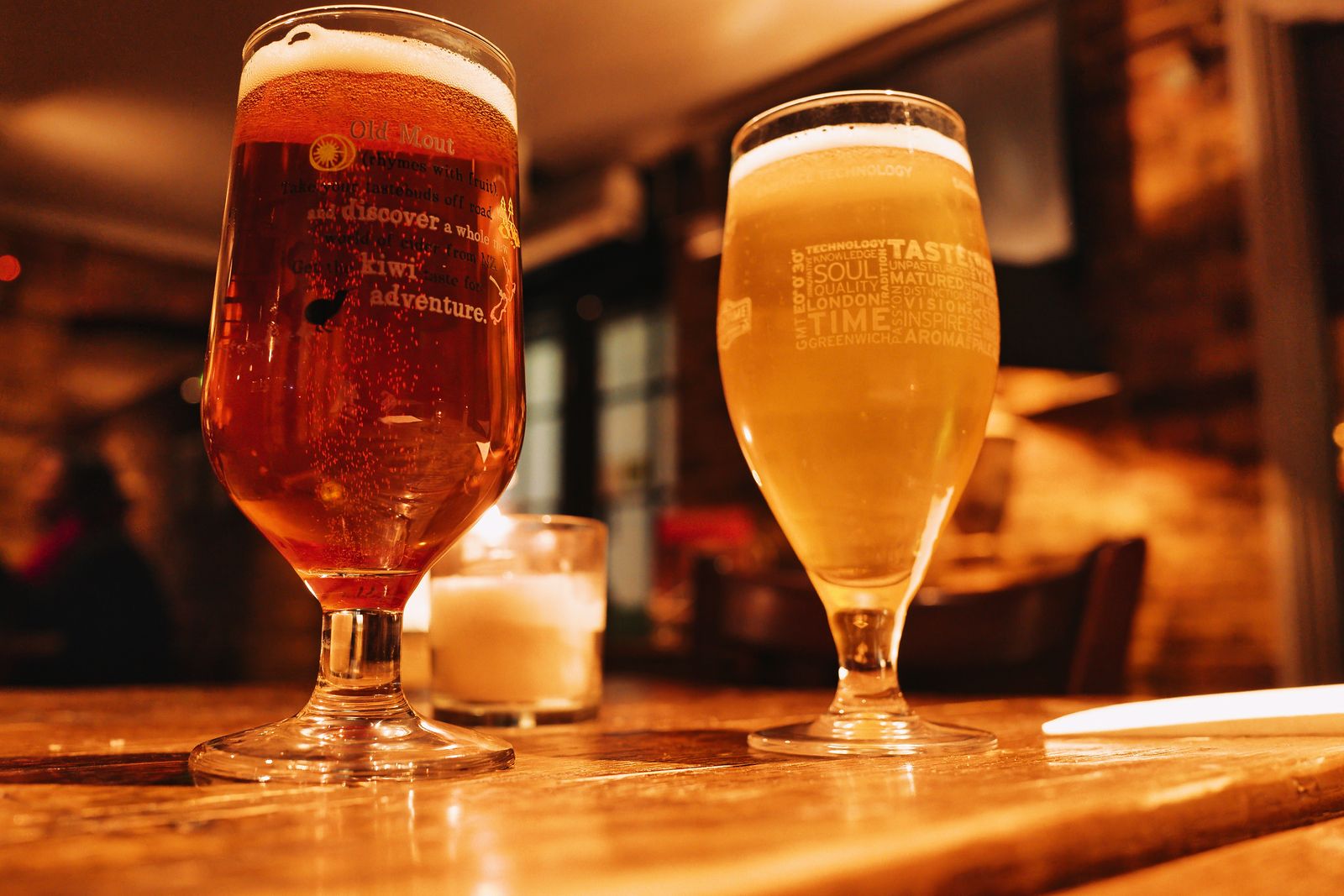
Bariloche's craft-beer scene is old enough to have produced actual institutions, and it splits neatly along the same axis as everything else in this town. In the centro: Manush, going since 2005, twenty-plus styles rotating and a shelf of international medals for its IPAs and stouts — the one to walk to after dinner — and Wesley a few blocks over. Out on the Circuito Chico: Berlina, brewing since 2004 and the most consistent glass in the region, and Patagonia, whose brewpub sits out near Llao Llao with a view that does a lot of the work. Konna is the wood-and-orange mountain-lodge room, and the one that feels most like a pub.
The beer map and the base decision are the same map. Where you sleep is where you drink.— On why km 17 changes your evenings
The genuinely good group move: do Berlina and Patagonia in daylight, on the way back from Campanario, on the bus. Then keep Manush for a night when nobody wants to drive.
Where we would book
Book Butterfly as far ahead as you can — it's a handful of covers and it fills weeks out, and it's the one meal here where a reservation is the entire difference between eating there and not. Alto El Fuego and El Boliche de Alberto both take bookings direct by phone or WhatsApp and both are worth it in July and in January; the rest of the year you can usually walk in early.
The curanto needs no booking at all, just the clock: Wednesday or Sunday, on site by 13:30, cash in your pocket. And if you're eight people wanting whole lamb on the cross, call El Quincho a few days ahead so the fire is lit for the right number — that dish is a schedule, not a menu item.
Buy the chocolate at the end of the trip rather than the start. It travels badly in a daypack and beautifully in a suitcase.
Related guides
- Bariloche Comprehensive Guide — the two clocks that decide the whole week.
- Bariloche Activities Guide — how to earn the lamb.
- Bariloche Culture Guide — why the chocolate shops look Swiss.
- Bariloche Group Trip Guide — the asado at the house, which is the real dinner.
- Florianópolis Food Guide — the summer counterpart: oysters and sea instead of lamb and smoke.