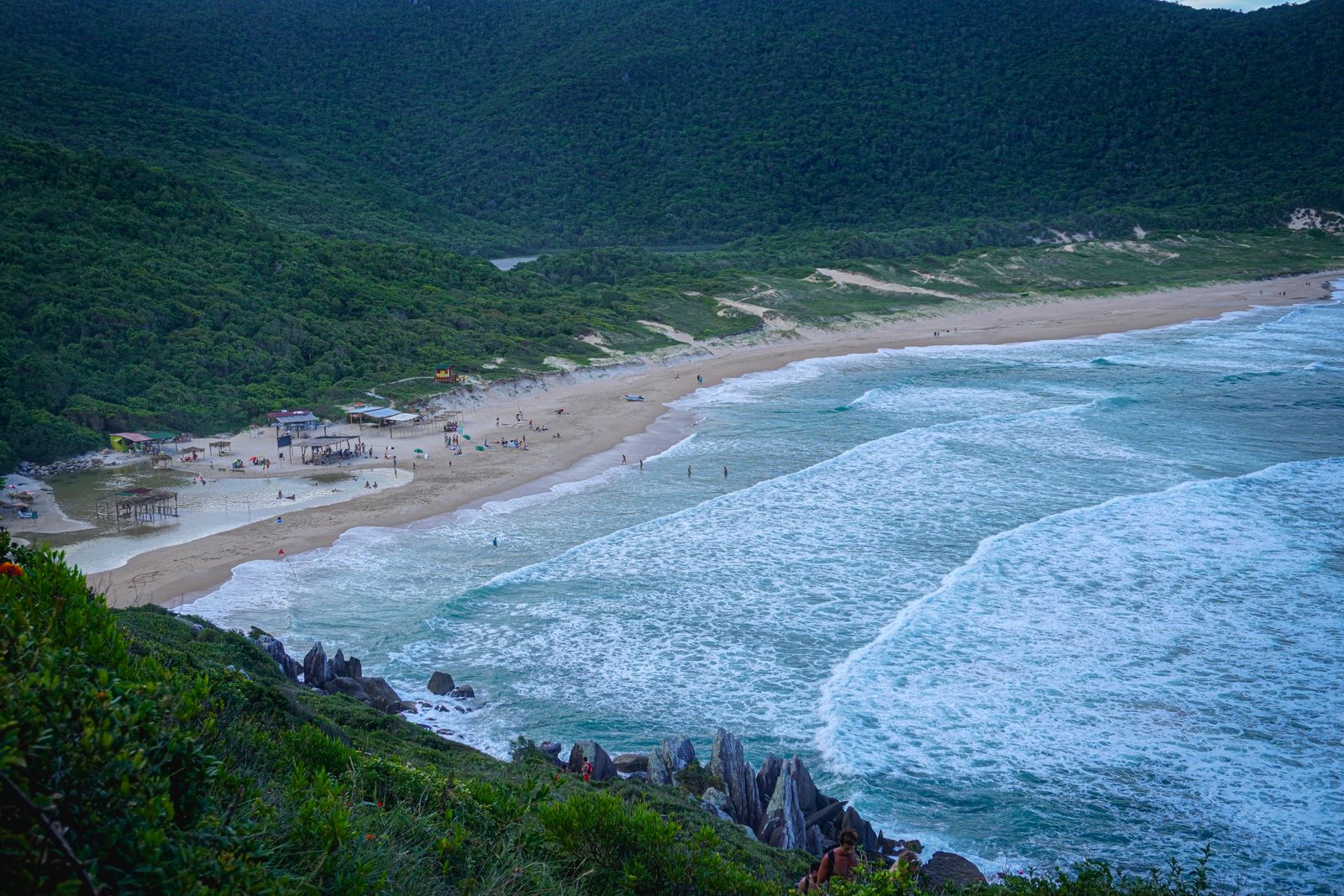
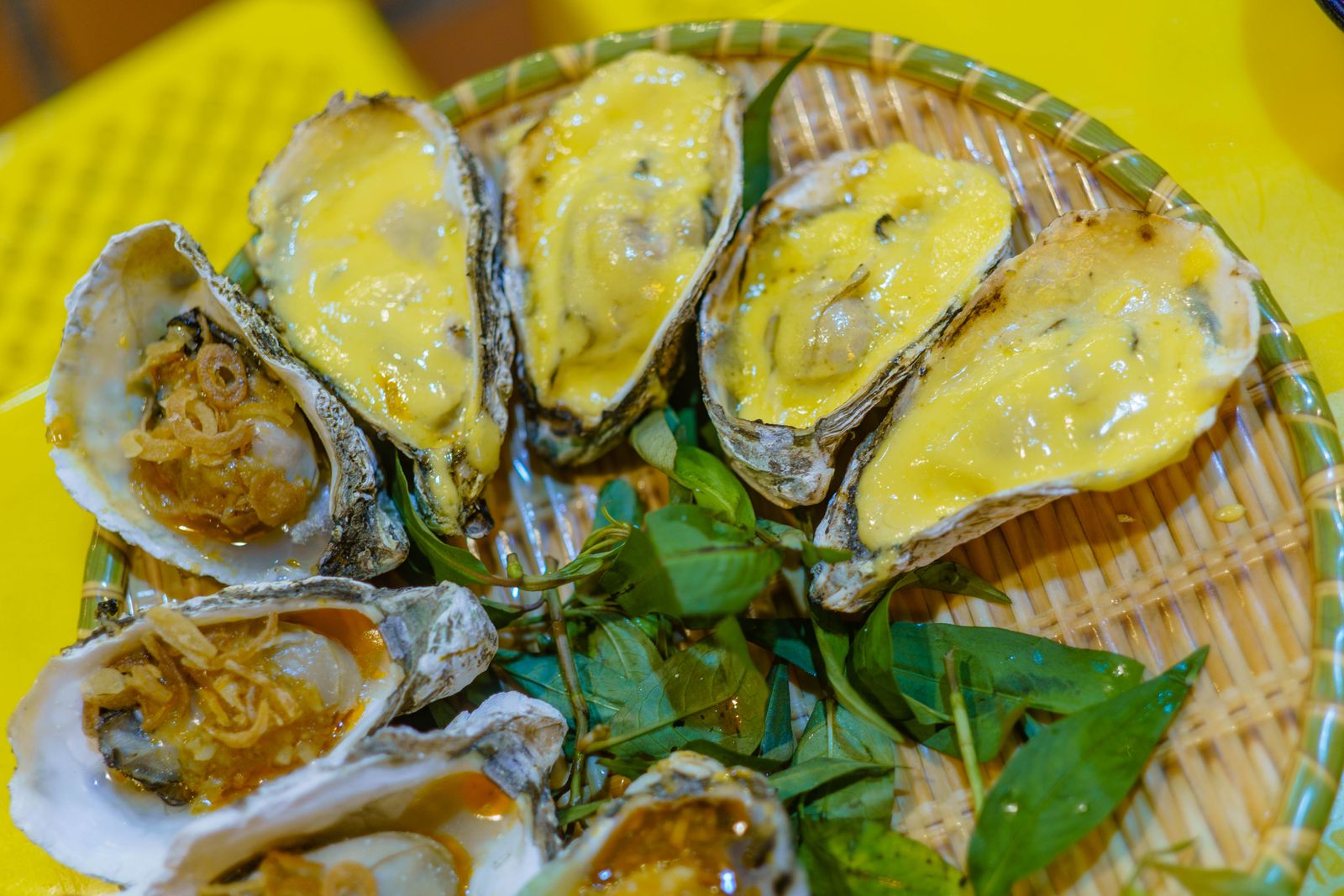
Florianópolis has been a UNESCO Creative City of Gastronomy since 2014, which sounds like a plaque in an airport until you learn the actual number behind it: this island produces more than 90% of Brazil's oysters. They're grown on wooden frames in the flat bay water at Ribeirão da Ilha and Santo Antônio de Lisboa, and in most places on the island you eat them within sight of where they were pulled. That single fact reorganises how you should eat here. The expensive thing everywhere else is the cheap thing here — so lead with it, eat it more than once, and spend the money you saved on the boat.
Oysters, where they're actually grown
Ribeirão da Ilha, the long lunch, and the beds in the water in front of you.
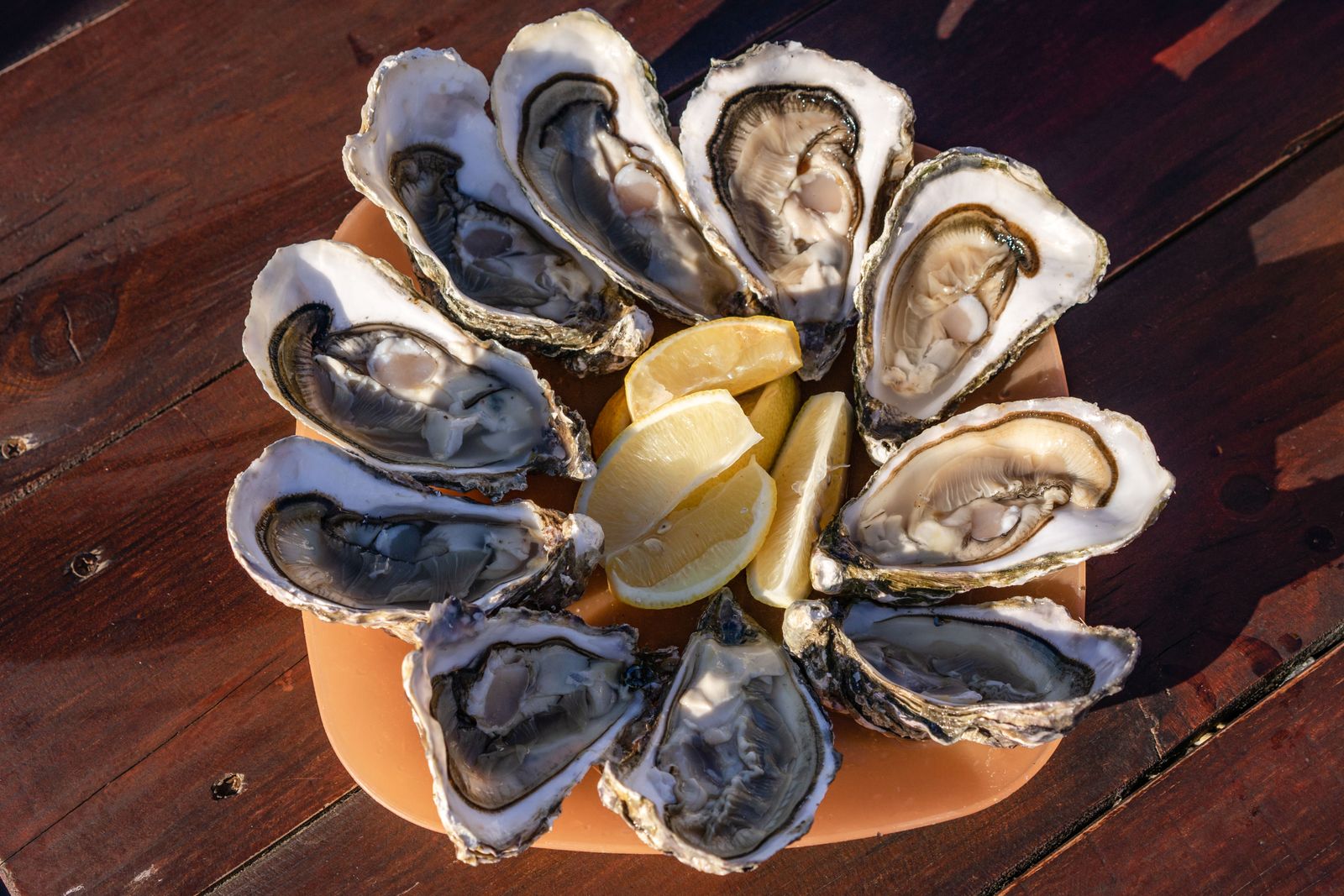
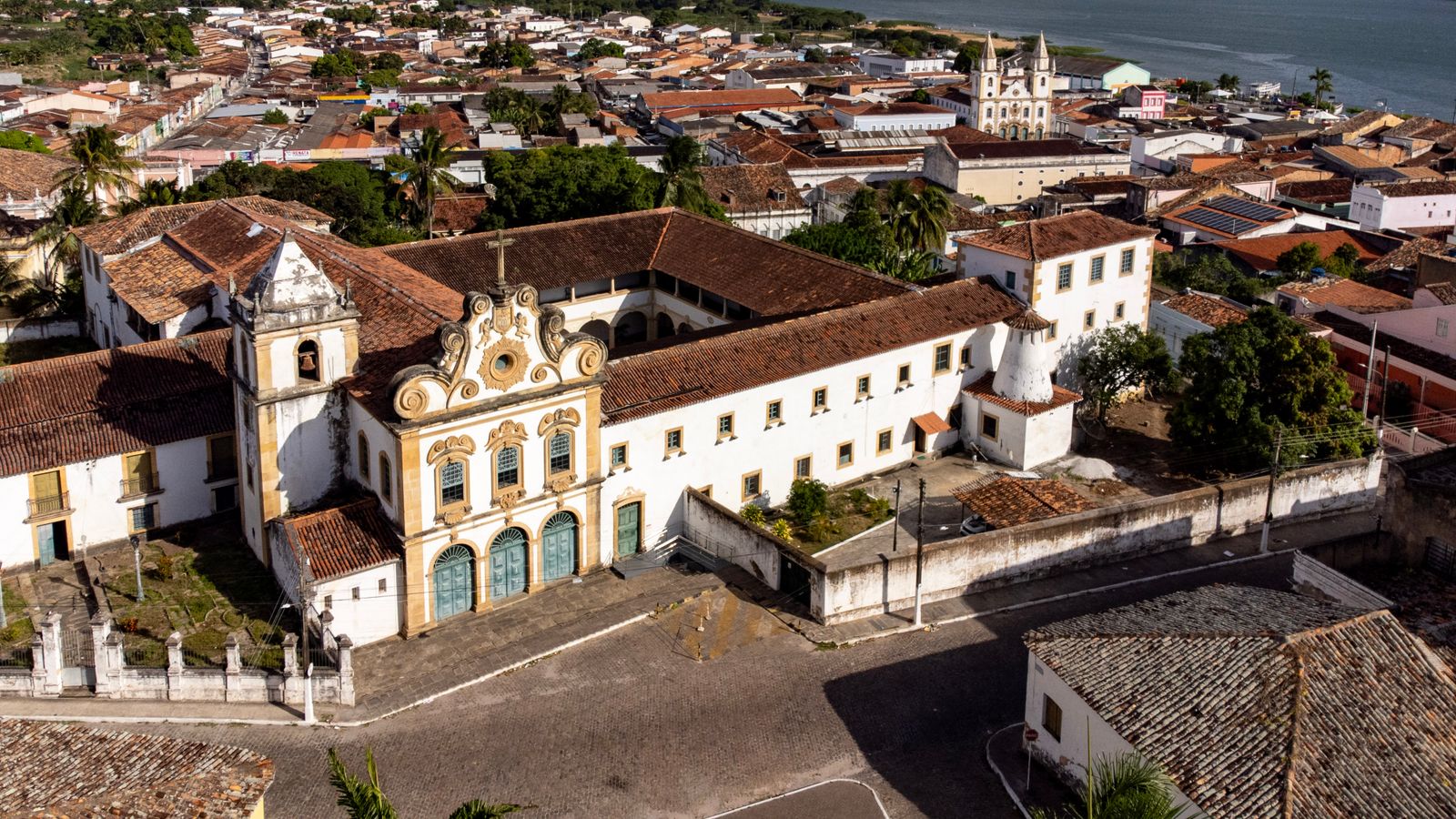
Drive south down the bay side to Ribeirão da Ilha and the island stops being a beach destination and becomes an eighteenth-century Azorean village with a very good lunch problem. The one everyone names is Ostradamus, on the Rodovia Baldicero Filomeno, and it earns it: chef Jaime Barcelos filters his oysters for twelve hours before they're served, the tables look straight out at the beds they came from, and in winter — when the bivalves are fattest — there's a degustação that runs oysters sixteen different ways, raw through gratinéed. It's on the 50 Best Discovery list and it's still a room with a view of oyster frames. Book ahead for a group.
Two doors down the same road, Rancho Açoriano is the counterweight and the one we'd send you to on a normal Tuesday: Azorean home cooking, fish that was in the bay, no tasting menu, no ceremony. Order oysters both ways at whichever you pick — a dozen raw with lime, and a dozen gratinadas under cheese, which is the local move and better than it has any right to be. Eat them slowly. The whole point of this village is that nothing after lunch is urgent.
Everywhere else, oysters are the thing you order to mark an occasion. Here they're the thing you order because it's Wednesday and they cost less than the beer.— On the island's best trick
The sequência, and how not to fear it
The island's group dish. It keeps coming. That's the point.
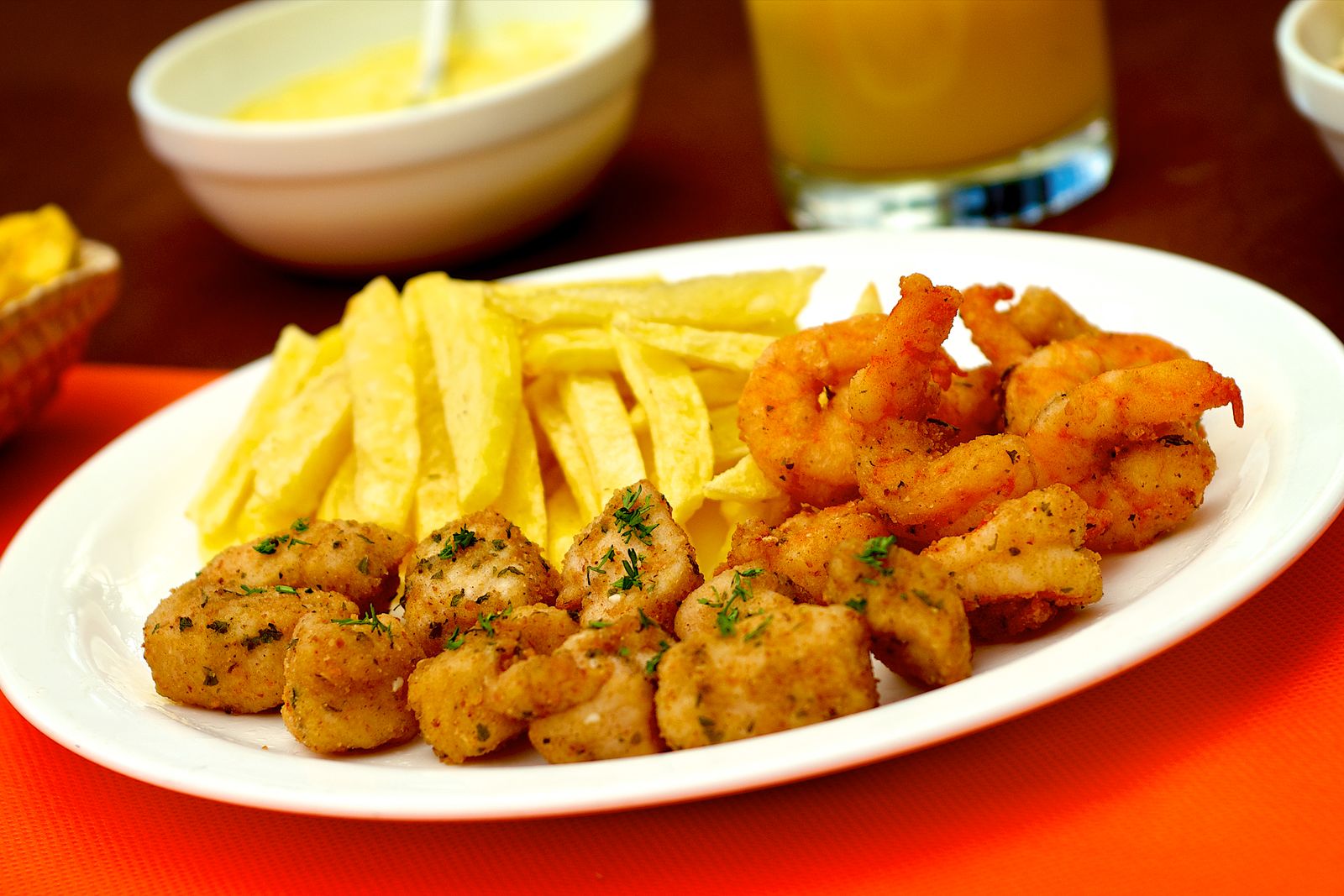
A sequência de camarão is not a dish, it's a siege. Shrimp arrive breaded, then fried, then in a sauce; then oysters gratinéed; then casquinha de siri, then fish fillets, then pirão, chips and salad, and it keeps arriving until you tap out. It's priced per head or per two rather than per plate — very roughly R$70–220 depending on the house and the party size — and for six people that's the fairest big meal on the island, because everyone eats exactly the same thing and nobody can pretend they only had a salad.
The place to do it is Bar do Arante at Pântano do Sul, about 25km south of the centre, where the ceiling and every wall are papered in handwritten notes left by customers over decades. It's a fishing-beach bar that became an institution without changing much. Its à la carte plates run roughly R$70–120 and feed two to three people, so with six of you ordering three plates and a round of beer you're eating extremely well for well under R$50 a head. Get there early for lunch, write your note, and walk it off on the beach.
The market counter
Box 32, one hundred grams of shrimp, and the most democratic bar in Brazil.
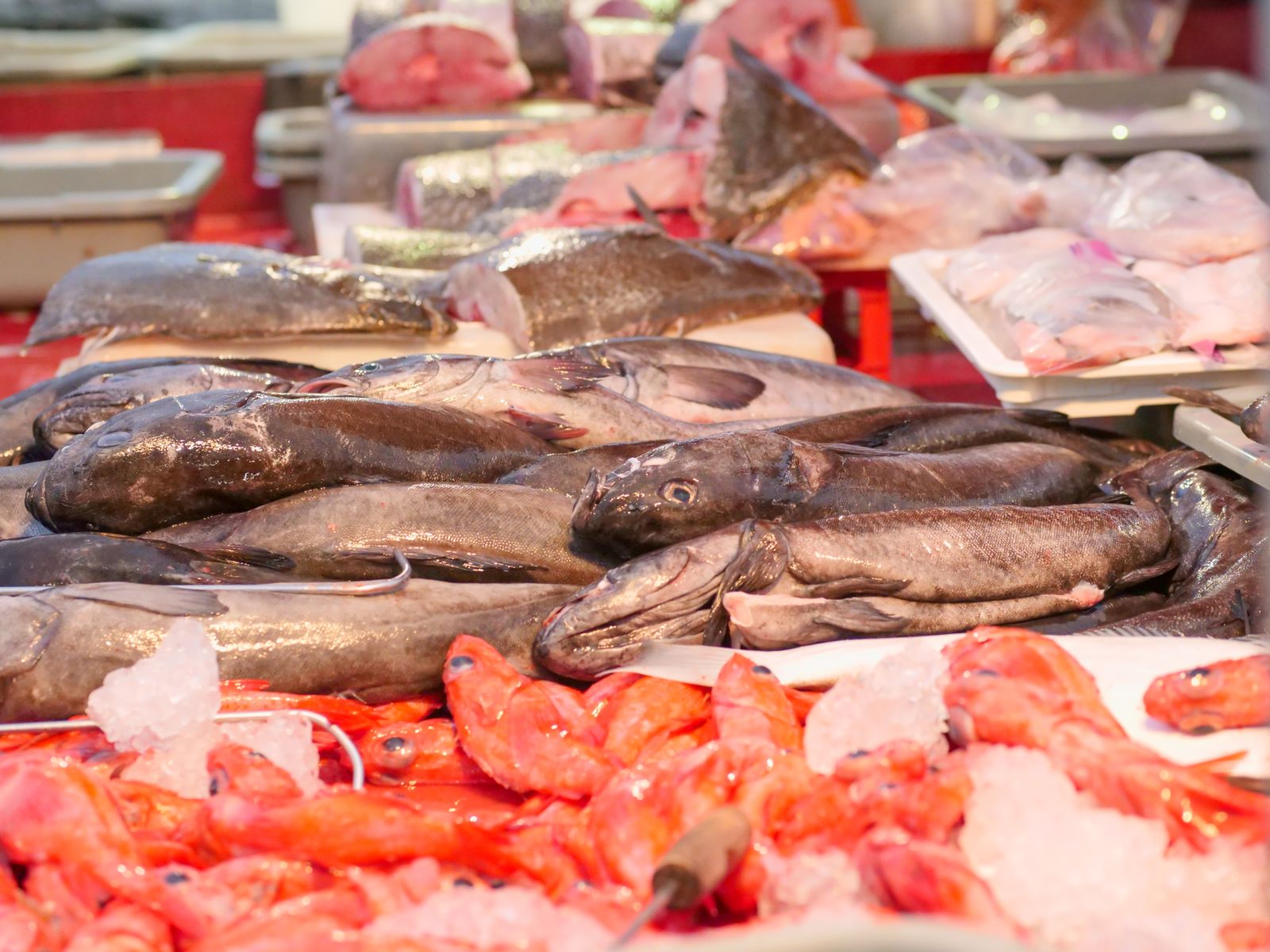
The Mercado Público in the centre is the island's other kitchen, and about twenty thousand people move through it in a day. The institution inside it is Box 32, open since 3 March 1984 and known nationally for one thing: a pastel de camarão carrying 100 grams of shrimp filling — a pastry with the proportions of a small pillow. It's been called the most democratic counter in the country, which is exactly what it feels like at 6pm on a Friday when office workers, fishermen and a stag party are all standing at the same marble edge drinking draught beer. Order the pastel, a bolinho de bacalhau, and whatever is being opened on ice.
The sunset side: Santo Antônio de Lisboa
On the bay, twenty minutes north of the centre, Santo Antônio de Lisboa is the Azorean village the Portuguese founded in 1750 and named for Lisbon's patron saint — white cottages, blue window frames, a small church, and flat water that turns gold in the late afternoon. Together with Sambaqui and Cacupé it forms the Rota Gastronômica do Sol Poente, the sunset route, and it is the single easiest good evening on the island. Casa de Noca does traditional Azorean plates and grilled fish; Ostra & Cia does exactly what its name says. Book a table for 5pm in winter or 6.30pm in summer, order oysters and a cold beer, and let the light do the work. No waves, no car park battle, no plan needed after it.
Tainha season, if you come in winter
1 May to 31 July. The island's actual festival, and almost nobody outside Brazil knows.
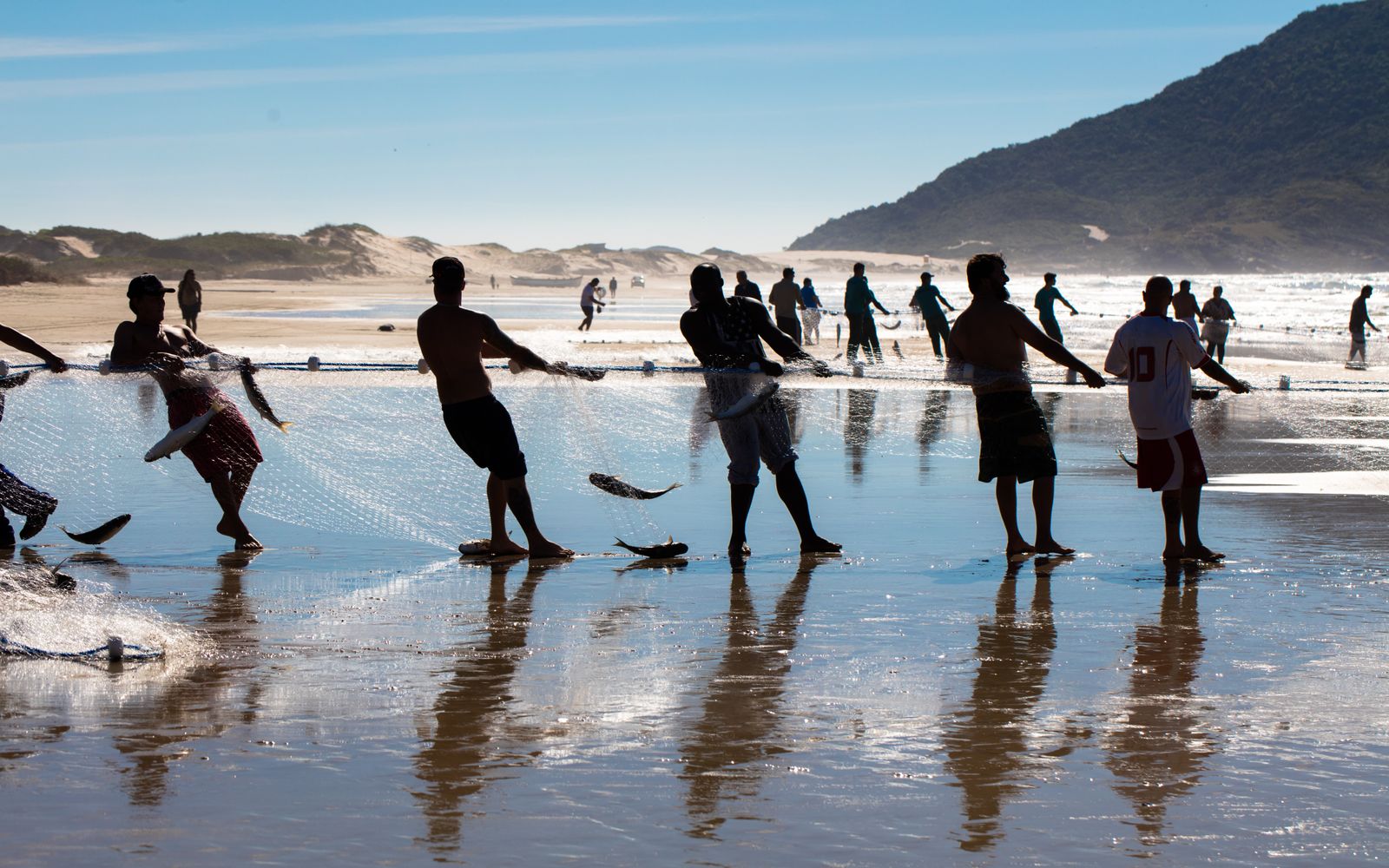
Every winter the mullet run south along this coast and the island reorganises itself around catching them. The safra da tainha runs 1 May to 31 July, worked by around 1,500 artisanal fishermen hauling nets onto the sand by hand at Campeche, Pântano do Sul, Barra da Lagoa, Ingleses, Moçambique and a dozen more beaches. The 2026 season was one of the biggest in decades — close to 400 tonnes — which pushed prices down and put tainha on every menu on the island. Eat it na brasa over coals, smoked, or the traditional way with cassava flour. The Rota da Tainha runs events and fairs across 26 beaches through the season, and the Festival da Tainha no Costão lands in mid-June. If you're choosing between a cold week with this and a hot week without it, we'd take the fish.
Coffee, and the everyday stuff
Where to start the day when six of you woke up at different times.
Café Cultura in Lagoa da Conceição is the island's dependable good coffee and has been Veja's local pick for years — proper espresso, cakes, big tables, and the tolerance for a group that arrives in three waves. Beyond that, the everyday island food is pastel from a beach kiosk, açaí thick enough to stand a spoon in for around R$15–25, and a churrasco at the house, which is what most nights should be anyway. Buy the meat at a proper açougue rather than the supermarket, get more charcoal than you think, and let whoever claims to be good at the grill prove it.
Where we would book
Only two places here really need booking. Ostradamus takes reservations directly and you want one for a group, especially at weekends and through the winter oyster season — call or message rather than going through a platform, they're a family business and the table is better if they know you're eight. Restaurants in Santo Antônio de Lisboa fill from about 5pm on a clear evening, so book the sunset slot a day or two ahead in summer. Everything else on this list is walk-in by design: Bar do Arante, Box 32 and Rancho Açoriano don't take bookings and are better for it — go early, put your name down, have a beer. We take nothing from any of them. The oysters, the pastel and the beach kiosk are the same price whether you find them through us or not, which is rather the point.
Related guides
- Your Florianópolis Travel Guide — which coast to sleep on, and the shape of the days.
- Things to Do in Florianópolis — the boat, the walk, the surf and the dunes.
- Florianópolis Culture Guide — the Azorean villages, the lace, and the fishing calendar.
- Where to Eat in Buenos Aires — the other side of this flight path, and the other great group table.