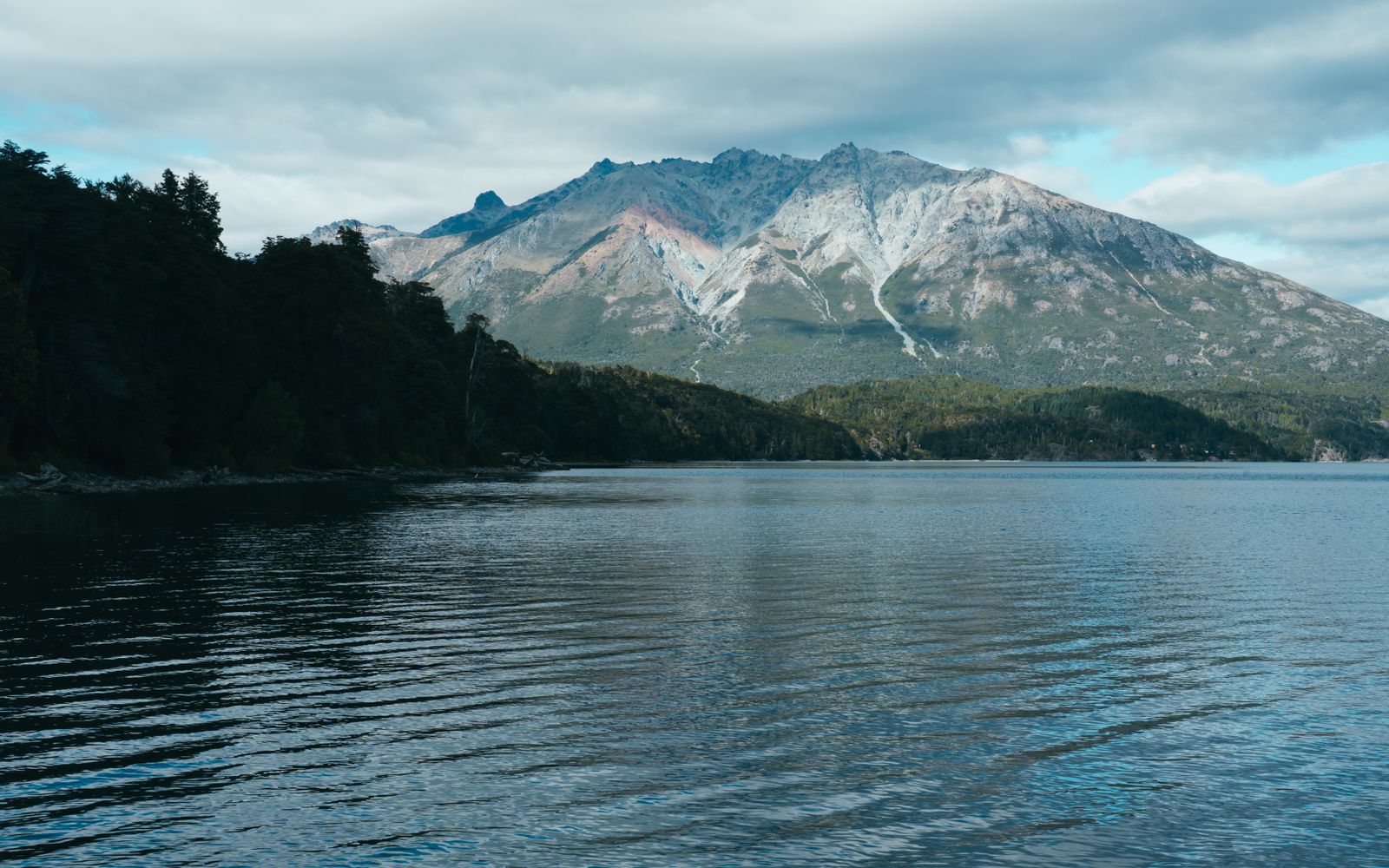
Most Bariloche plans are built off a map. Pick the lookouts, pick the lake, pick the mountain with the glacier on it, then work out the driving. It sounds sensible and it is the reason so many people come home having seen three of the four things they booked. Bariloche isn't organised by distance. It's organised by timetables — and two of them are hard enough to delete a day you already paid for.
What you're actually looking at
A small town, a 25-kilometre lakeside road, and a national park behind all of it.
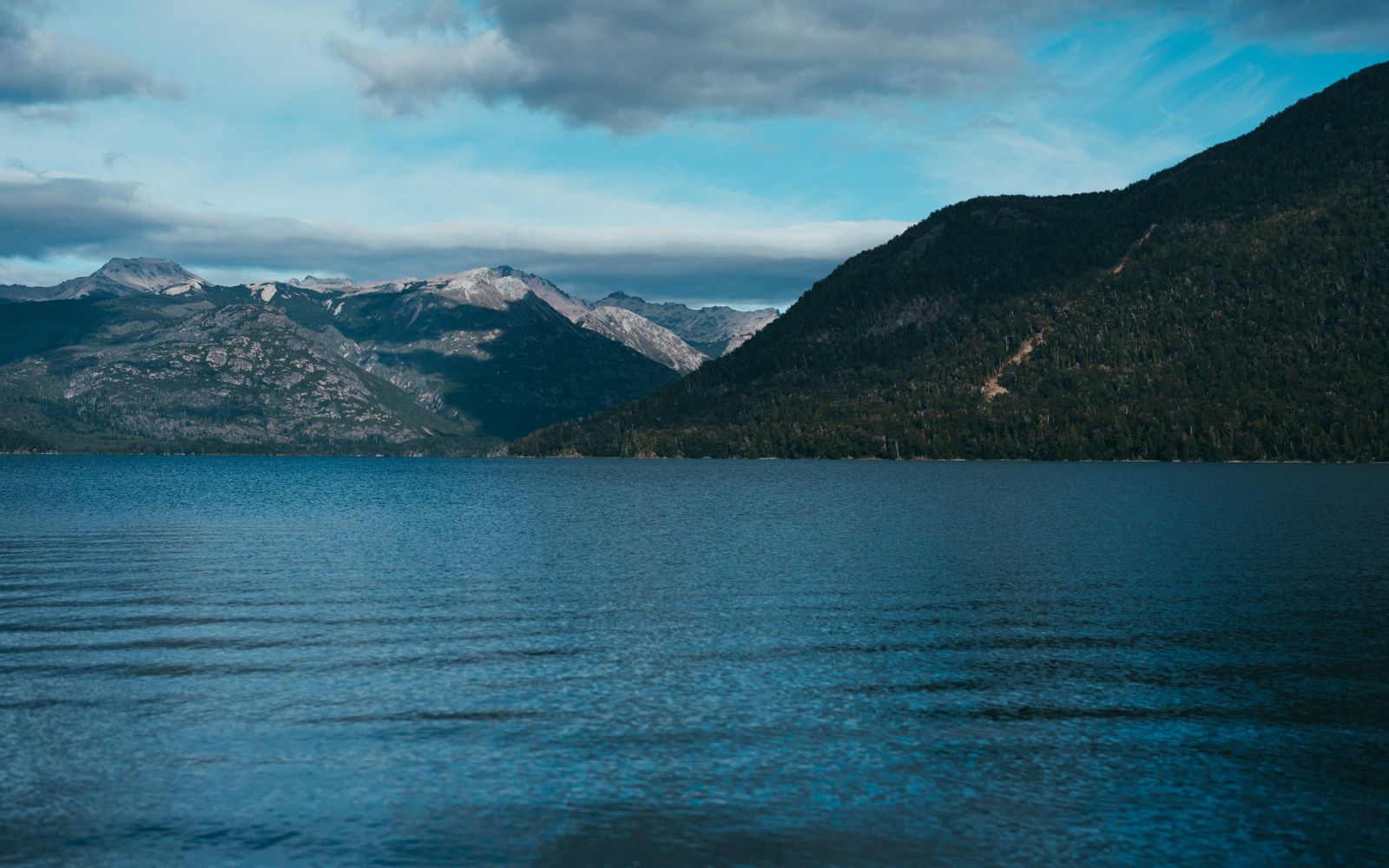
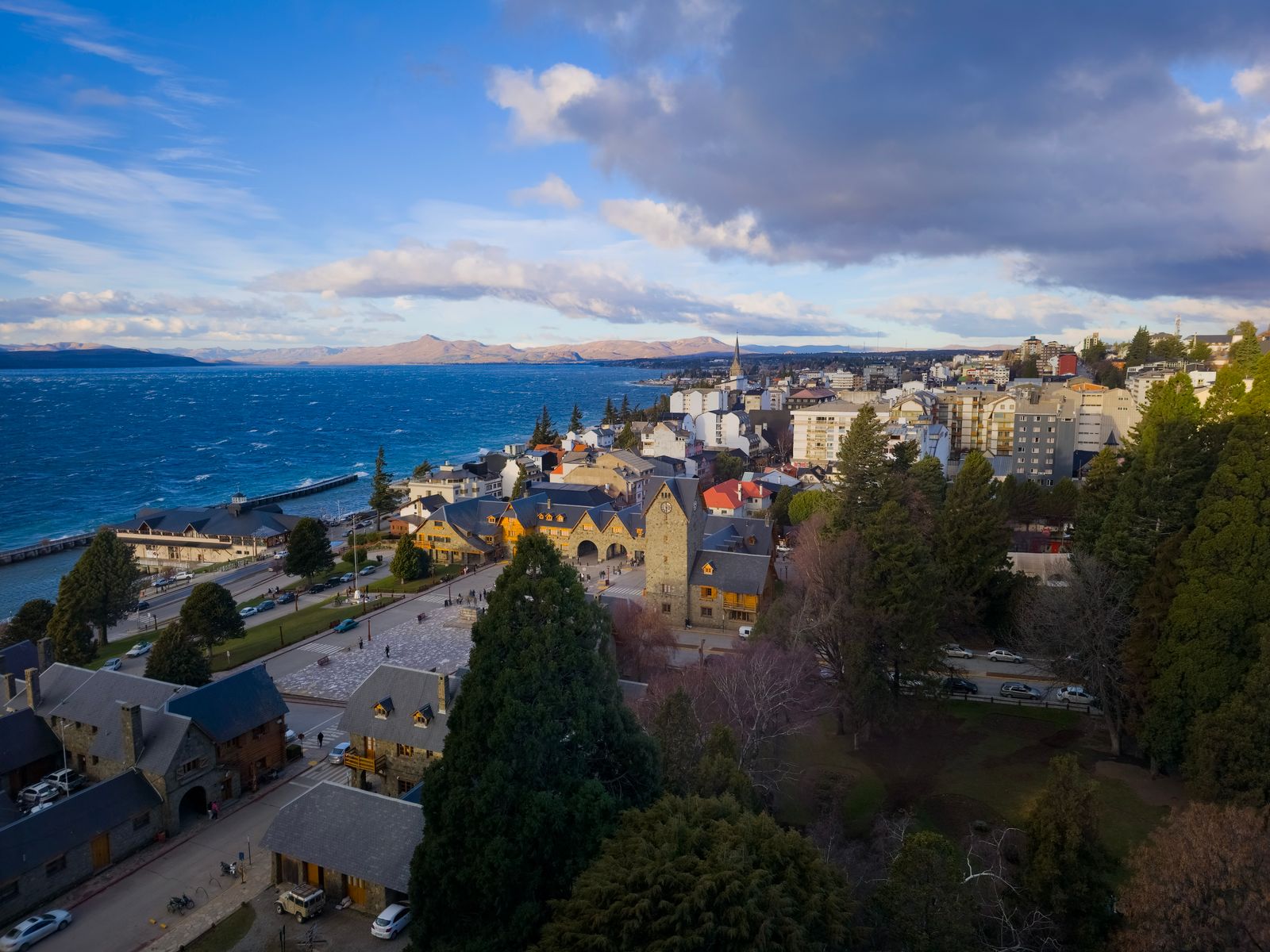
San Carlos de Bariloche sits on the south shore of Lago Nahuel Huapi, in Argentine Patagonia, inside the country's oldest national park. The town proper is compact: the stone Centro Cívico, calle Mitre running east from it full of chocolate shops, the bus terminal, and a grid that climbs steeply away from the water. You can walk all of it in an afternoon.
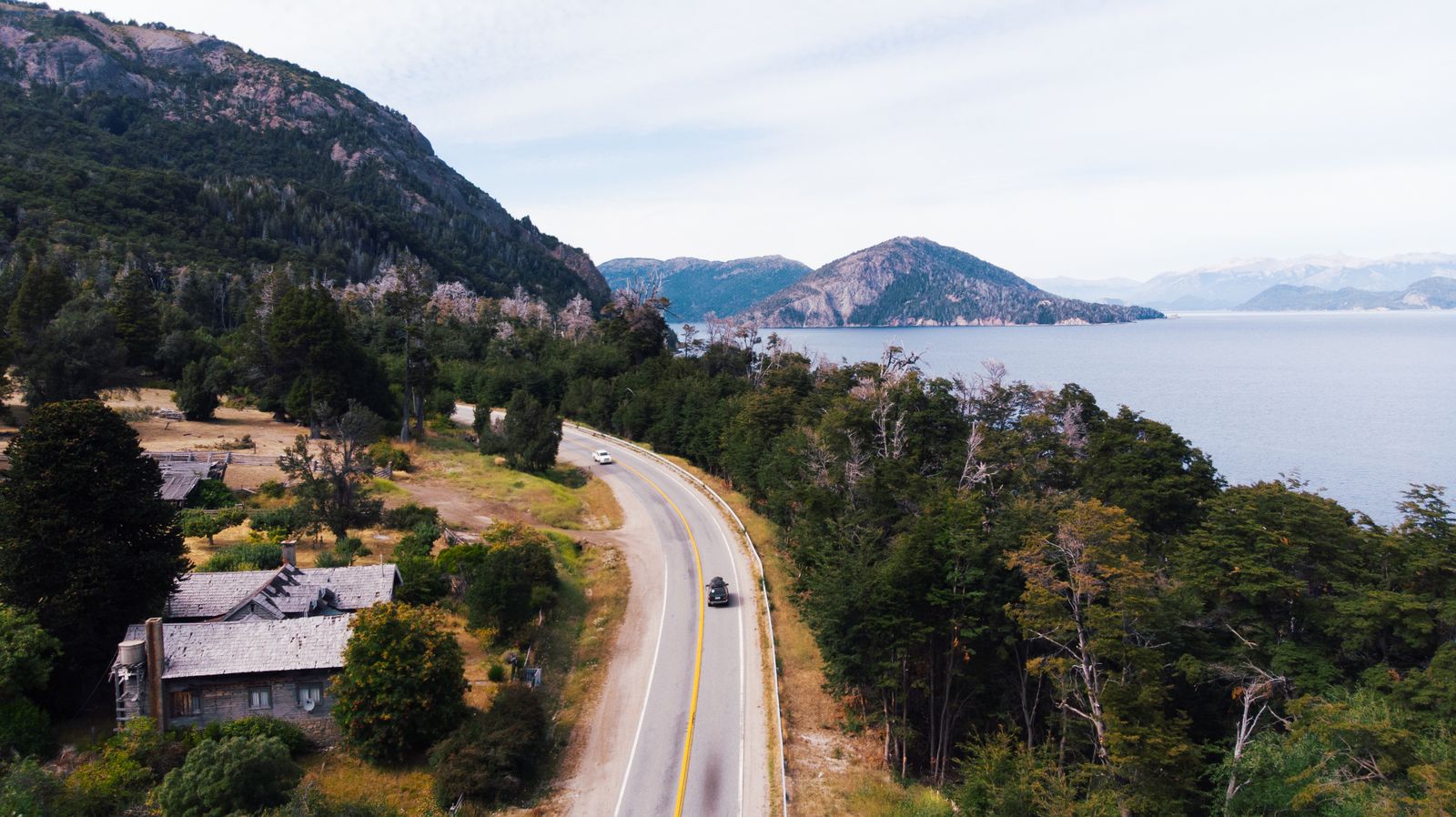
Everything else is west, along Avenida Bustillo, which runs 25 kilometres along the lake and is measured in kilometres the way other cities use street numbers. People here say "km 8" or "km 17.5" the way you'd say a neighbourhood. Cerro Campanario and its chairlift are at km 17.5. Llao Llao and Puerto Pañuelo, where every lake boat leaves from, are at km 25. Inland from there sits Colonia Suiza, which is a village and not a suburb. Loop it all together and you have the Circuito Chico.
Then there's the other scale. South-west of town, past Lago Gutiérrez and Lago Mascardi, is Cerro Tronador — an extinct volcano on the Chilean border with the Ventisquero Negro, a glacier so loaded with rock dust it runs grey-black. And due south of the centro is Cerro Catedral, the biggest ski area in South America and, in summer, the trailhead for the best walk in the region.
The two clocks that decide your week
Read this before you book a single excursion. It reorganises the trip.
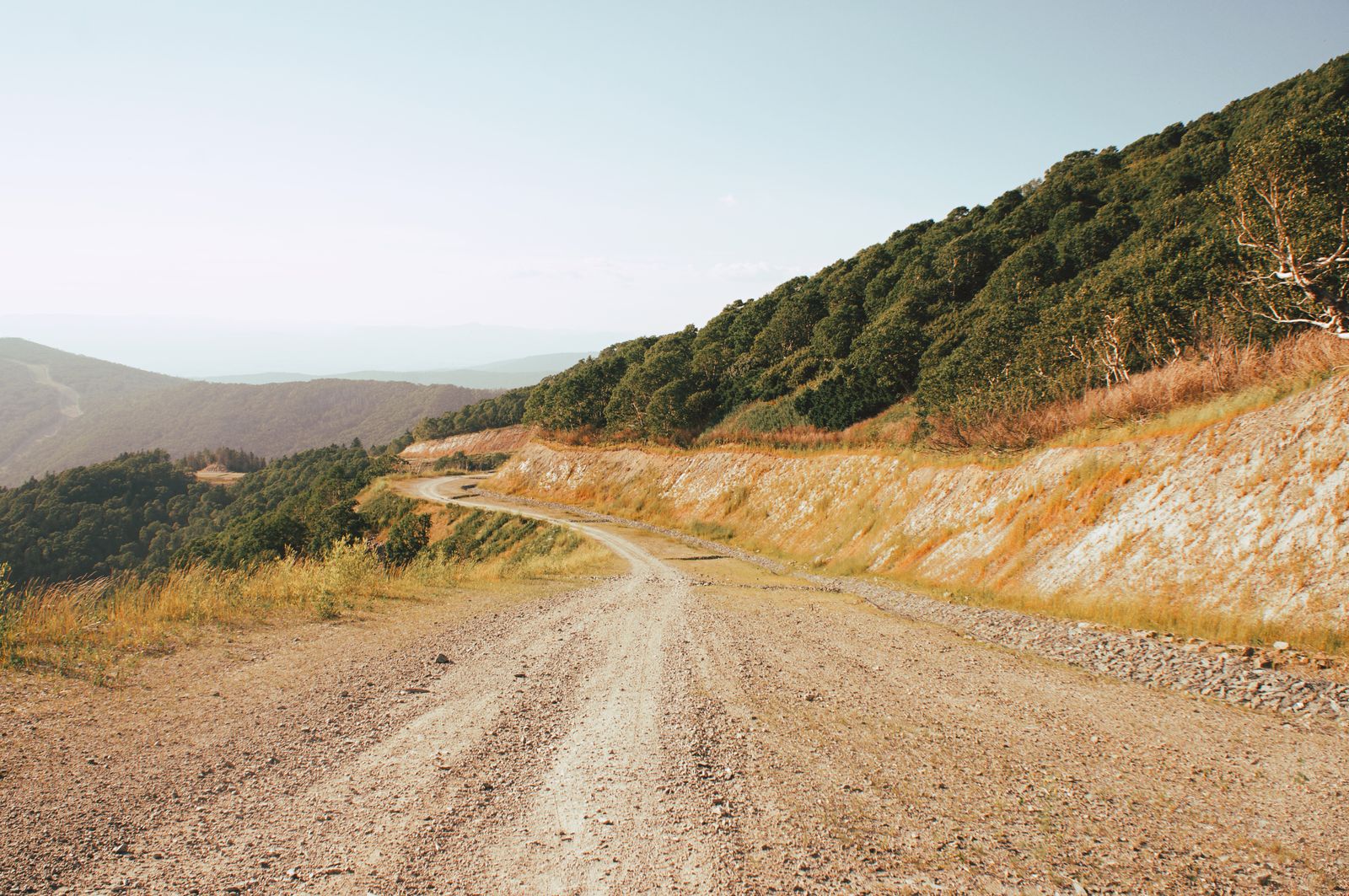
Here is the first one, and it's stranger than it sounds. The road to Tronador is one-way by the hour. Not one-way as in narrow. One-way as in the direction of travel legally reverses during the day, on a published timetable, and the park enforces it.
- Ascent only — 10:30 to 14:00, from Los Rápidos.
- Descent only — 16:00 to 18:00, from Pampa Linda.
- Two-way — 19:30 to 09:00.
- Going up between 14:00 and 19:30 is prohibited.
So you are not driving to Tronador. You are catching a road. It's around 40 kilometres of ripio — loose gravel — past the park gate, roughly two hours each way, and the last stretch beyond Pampa Linda to the Ventisquero Negro viewpoint is closed to low-clearance cars entirely; that bit is for high vehicles and tour transport. Miss the 14:00 gate and the day is simply over. You cannot make it up by leaving later.
The second clock is softer and worse. Cerro Catedral now opens in pieces. The 2026 season started on 6 July, and it started with only the beginner Learning sector at the base, running on 50 centimetres of machine-made snow from 40 snow cannons, after weeks of nobody knowing whether it would open at all — there had been no precipitation and it wasn't cold enough. La Nación noted the same forced delay in 2025. More sectors open as conditions allow. Lifts run 09:00 to 16:00 daily, snow and weather permitting.
We're not going to tell you what will be open the week you go, because nobody can, including Catedral. What we can tell you is what to do about it: check the mountain's own snow report the week you travel, and never buy a fixed multi-day ski package before you can see it.
The move that follows from both
Book the base, not the week. Get the house or the room sorted months out, and leave the days themselves loose — then decide each morning based on what the sky is doing and what's actually running. The standard advice, which is to walk into an agency on Mitre and buy the three-excursion package, is exactly backwards: agency excursions run whether or not the thing is worth seeing that day.
Where you sleep decides what your week is
Kilometre zero or the Bustillo axis. This is the one real decision.
Stay in the centro if you want to walk to dinner, be next to the bus terminal, and pay the least. It's the practical choice and the loud one. In July and August it is also, frankly, full of seventeen-year-olds on graduation trips — more on that below, because it's a calendar fact rather than a complaint.
Stay on the Bustillo axis, somewhere between km 8 and km 25, if you'd rather wake up looking at the lake. This is the answer for most groups. You're near Campanario, near the Circuito Chico breweries, twenty minutes from Puerto Pañuelo for the boats, and the bus into town runs constantly. The trade is that you'll want a car or a taxi for late dinners in the centro.
Stay in Colonia Suiza for the quietest version, and only if you've got a vehicle. It's a proper village with a Wednesday-and-Sunday feria, and it's where the curanto happens.
Here's the part that surprises people: you can do the entire Circuito Chico without a car. Line 20, run by Mi Bus, goes from the centro out to Llao Llao roughly every 20 minutes, pays with a SUBE card, and stops at the door of the Campanario chairlift. Tronador is the one that genuinely needs a vehicle, and 40 kilometres of gravel past the last bus stop is exactly the kind of day worth handing to a driver.
The park fee is a gate, not a town line
Where it's collected changes what your week costs. Nobody explains this.
Nahuel Huapi charges to enter, and the rates went up on 1 June 2026: AR$35,000 for non-residents, AR$15,000 for Argentine residents, AR$8,000 for provincial residents, AR$12,000 for students. Local residents, retirees, under-sixes, people with disabilities and their companion, and Malvinas veterans go free. There's 50% off a second day used within 72 hours of the first.
Now the part that matters. The fee is collected at exactly three places: Mascardi (the road to Tronador), Puerto Pañuelo (the lake excursions), and the Quetrihué peninsula entrance. It is not collected at the town line, on Bustillo, at Campanario, or at Catedral.
Which means two true things at once. You can have three excellent days here — Campanario, the Circuito Chico, a walk out of Catedral, the breweries, the whole Colonia Suiza afternoon — without paying the park a peso. And when you do pay it, you should stack: put Tronador and the Isla Victoria boat inside the same 72 hours so the second gate is half price. For six people that's a saving worth the two minutes it takes to look at a calendar.
Getting here, and the small numbers
Two hours or twenty-two, and what the money actually does in 2026.
Flying. Aeroparque to BRC, the Teniente Luis Candelaria airport, is about two hours, flown daily by Aerolíneas Argentinas, Flybondi and JetSMART, from around USD 80. The bus from Retiro is 20 to 22 hours with Vía Bariloche, Andesmar or El Valle: roughly USD 40 semi-cama up to USD 80–100 for a cama suite. The overnight cama is a genuinely good option for a group and not a downgrade — you leave after work, you sleep, you arrive with a day intact.
Money. On 19 August 2026 the official rate was AR$1,515 and the blue was AR$1,560 — a gap of about 3%. The old routine of bringing a brick of hundred-dollar bills to change at a better rate is finished; it buys you nothing and a stack of pesos you have to carry. Pay by card, ask about cuotas where they're offered, and if you're settling with an Argentine friend, transferencia is instant and universal. Load a SUBE card for the buses on day one. Bring some cash for the Colonia Suiza feria, which is cash and only cash.
When to come
Four real seasons, and one calendar nobody warns you about.

Late April and May is the answer we'd give first. The lenga and ñire forests turn rust and gold, the light gets long and low, the town empties, and prices come off. Everything on the Circuito Chico is still running and you'll share Campanario with about nine people.
December to February is summer: the lakes are swimmable if you're brave, Frey is graded easy-to-medium from December to April, and the whole of Argentina is here. Book early and expect company.
July to September is ski season, thin and late in recent years — and it overlaps almost exactly with viajes de egresados, the graduation trips that are Bariloche's oldest group ritual. Packages for 2026 were quoting above AR$1,500,000 a student. For a few weeks the centro, the boliches on Mitre and a large slice of the hotel stock run on a student-tour timetable. This isn't a reason to sneer; it's a reason to either stay out on the Bustillo axis or come in a different month.
You can't book this week in advance. You can only put yourself in the right place and be ready to move.— On the one thing every Bariloche plan gets wrong
Where we would book
Book accommodation early and everything else late. That's the whole strategy, and it's the opposite of how the town sells itself to you on arrival.
Buy the park pass online in advance through the national parks portal rather than queueing at the Mascardi gate at 10:40 with the clock running — that queue is exactly what costs people the 14:00 window. For Isla Victoria and the Bosque de Arrayanes, book direct with Turisur or Cau Cau, both of whom sail from Puerto Pañuelo; resellers add a margin without adding a seat. For Tronador, a driver or a small-group transfer is the sane call, and worth pricing against a rental car the moment there are more than four of you.
If there are six or eight of you, price a cabaña with a quincho against the hotel rooms before you book anything at all. It usually wins on money, and it always wins on the evening.
Related guides
- Bariloche Food Guide — one Italian family's chocolate, and a meal cooked in a hole in the ground.
- Bariloche Activities Guide — the free registration everyone skips, then Frey.
- Bariloche Culture Guide — the Alpine town that was commissioned, in 1940.
- Bariloche Group Trip Guide — the same week, planned for eight of you.
- Florianópolis Comprehensive Guide — the January version of the same trip: one house, one base decision, one island.