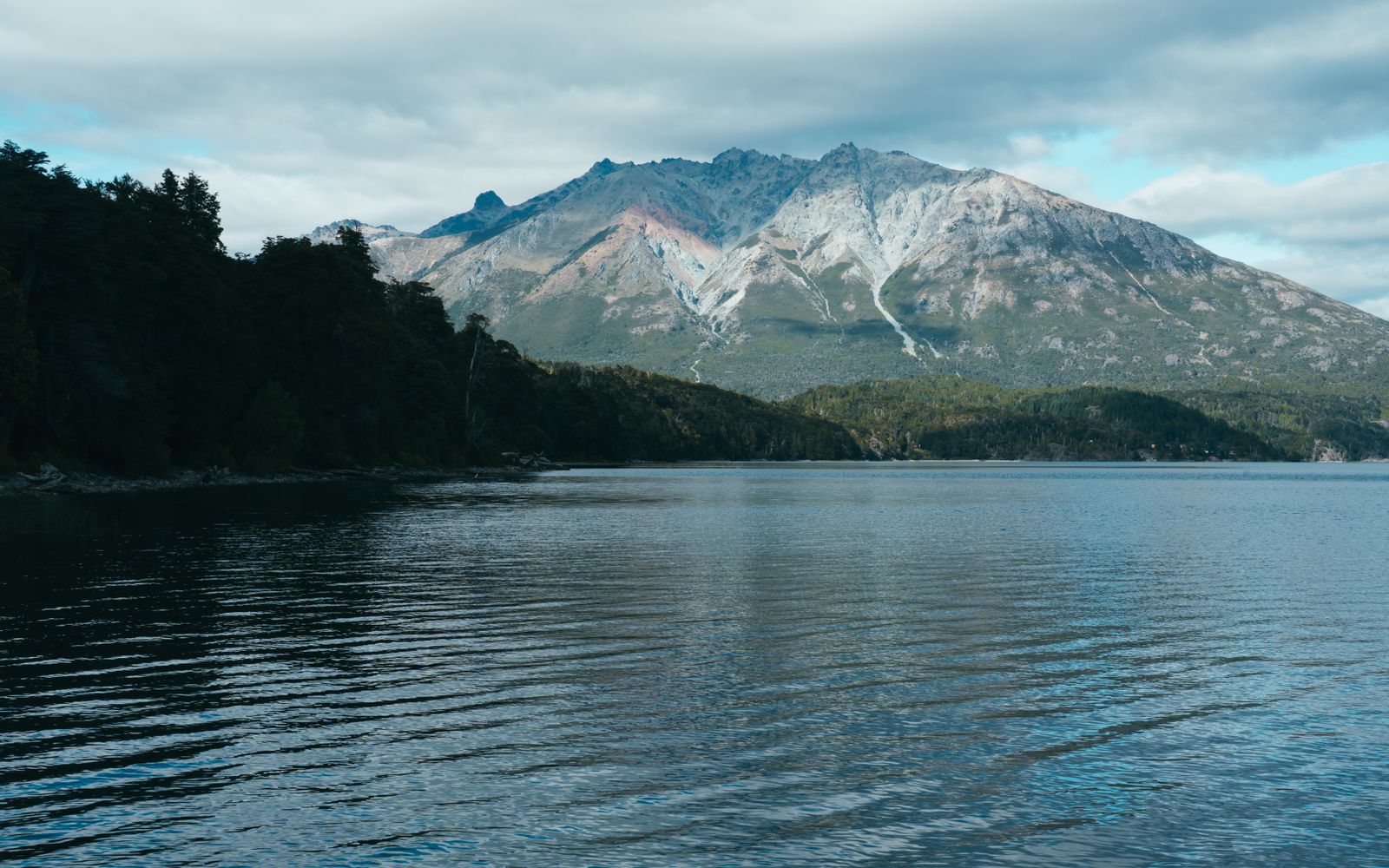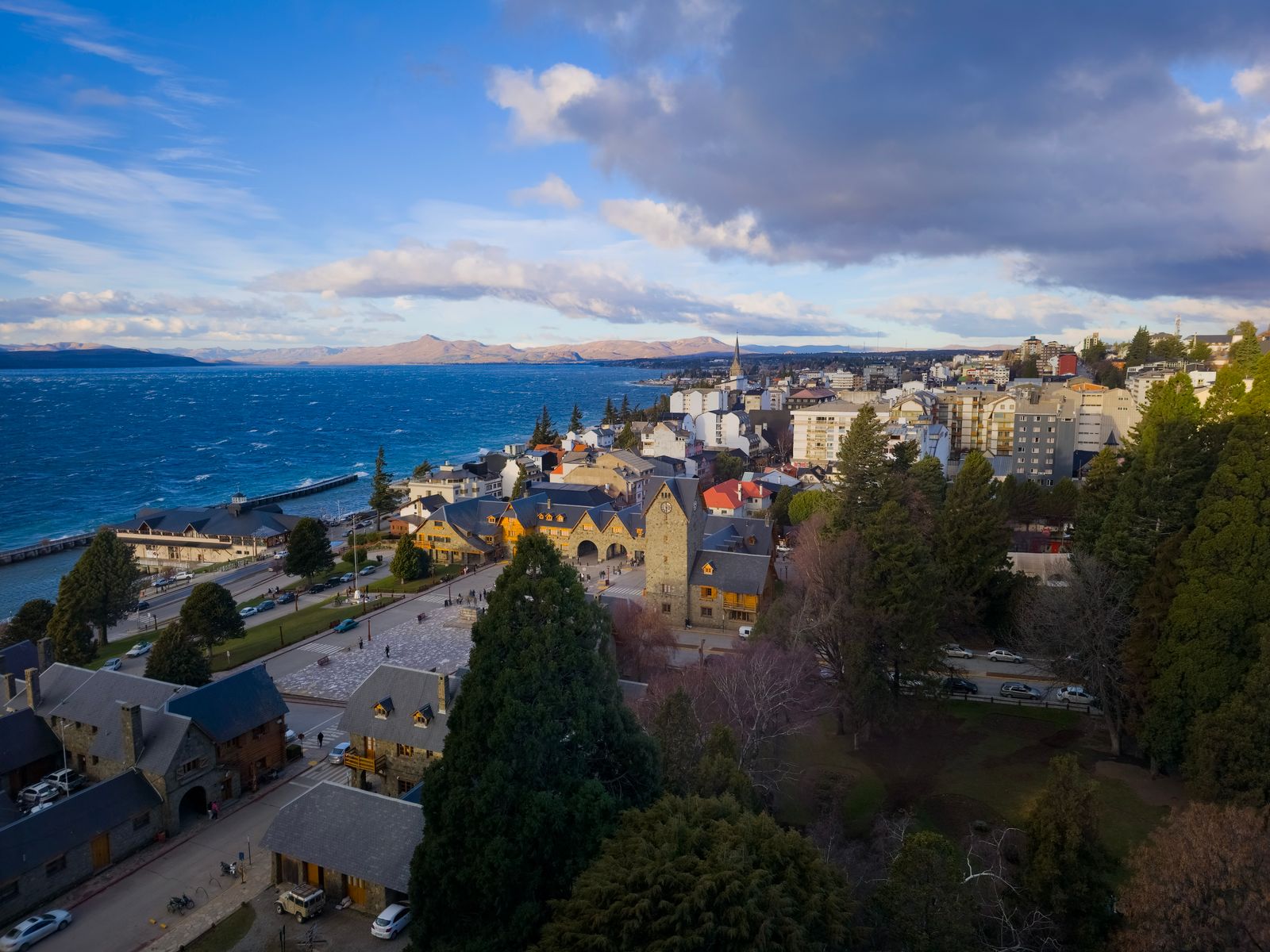
There is a free, two-minute step that nearly every visitor to Bariloche skips, and it's the one the mountain rescue people would most like you to do. Start there. Then the walking here is as good as it gets in Argentina, and a surprising amount of it runs off a city bus.
Register first. It's free, it's obligatory, and nobody does it
Two minutes on your phone before you leave the car park.
The Nahuel Huapi Registro de Trekking is a form you fill in before you start walking. It is obligatorio y gratuito — mandatory and free — it's done online, and what you enter carries the legal weight of a sworn declaration. It exists so that if something goes wrong, the people looking for you know which valley you're in.
Do it for Frey, for Refugio López, for the Llao Llao circuits, for anything that leaves a road. It costs nothing, it takes less time than parking, and it's administered by Club Andino Bariloche — the club that has been running these mountains since 1931 and whose refuges you'll be sleeping in.
Refugio Frey
The best day-walk in the region, and a bed at 1,700 metres if you want one.
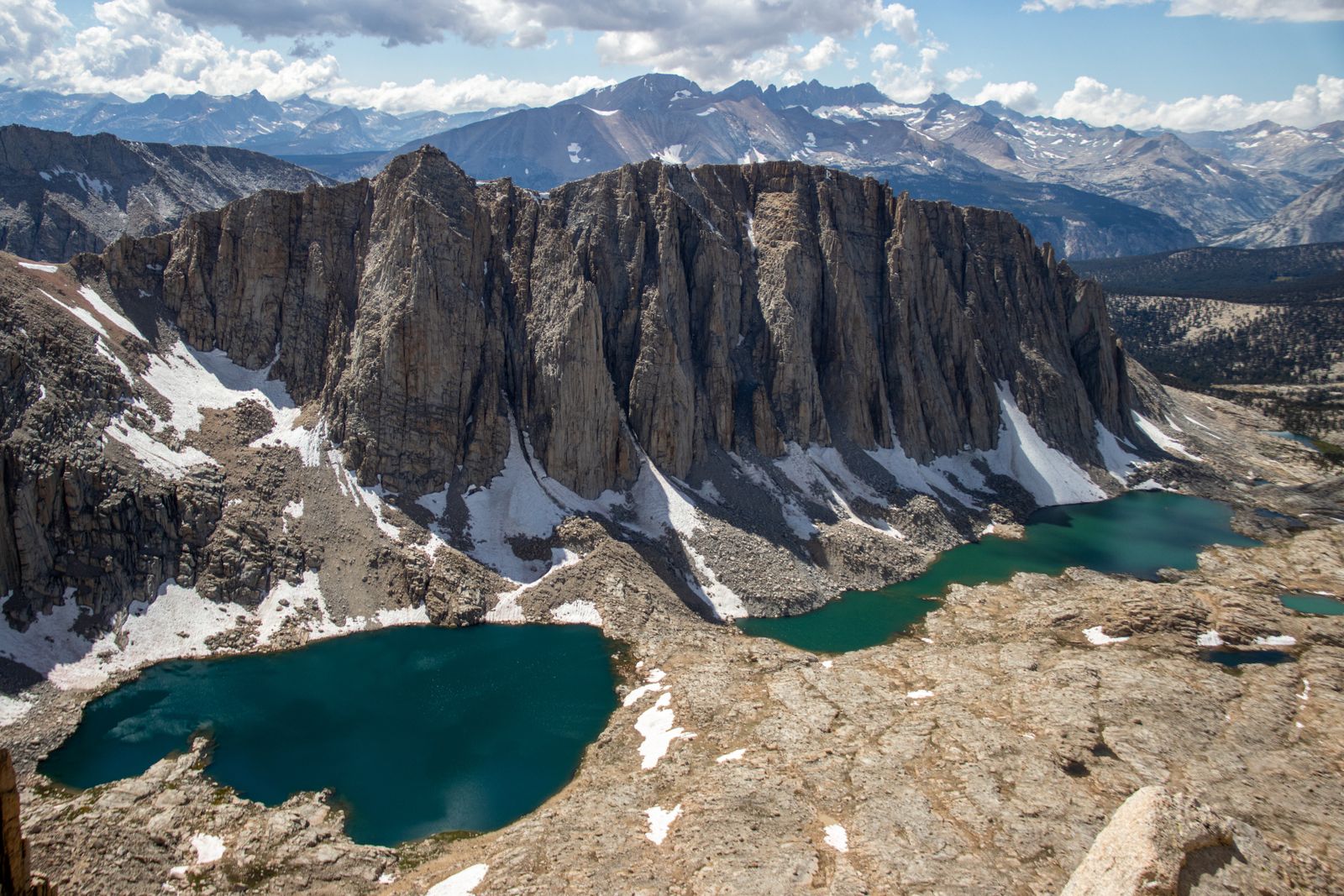
Frey is the one. A stone refuge on the shore of Laguna Toncek at about 1,700 metres, ringed by granite spires that rock climbers come from other continents for. It's 10 kilometres and 700 metres of climb from the trailhead, four to six hours up, graded easy-to-medium from December to April. You reach the start from the Cerro Catedral base station, which a local bus gets you to.
You can do it as a long day. It's better as an overnight: walk up in the afternoon, eat at the refuge, watch the light go off the spires, walk out the next morning with your legs still working. Capacity is 40 people, which is the number that matters if there are eight of you — book, at refugiofreybariloche.com, and book early for summer weekends.
Check Frey is open before you plan around it
Frey has had an unsettled 2026. A private tender in May awarded a three-year concession to new concessionaires, and the refuge reopened on Friday 15 July; other notices reference an earlier planned reopening in mid-May and a closure connected to an incident. The accounts don't line up and we're not going to pretend they do. Check Club Andino Bariloche and the refuge's own site in the week you travel, and treat the trekking registry as the second confirmation — a refuge that isn't operating doesn't appear in it.
In winter this is a different mountain entirely. The trail disappears under snow from the very start, and Club Andino says plainly that you need winter mountaineering kit, snowshoes or touring skis, and a guide if you haven't done this before. Take that at face value.
The Circuito Chico, on a bus, for the price of a coffee
Line 20, a chairlift at km 17.5, and the best view-to-effort ratio in Argentina.
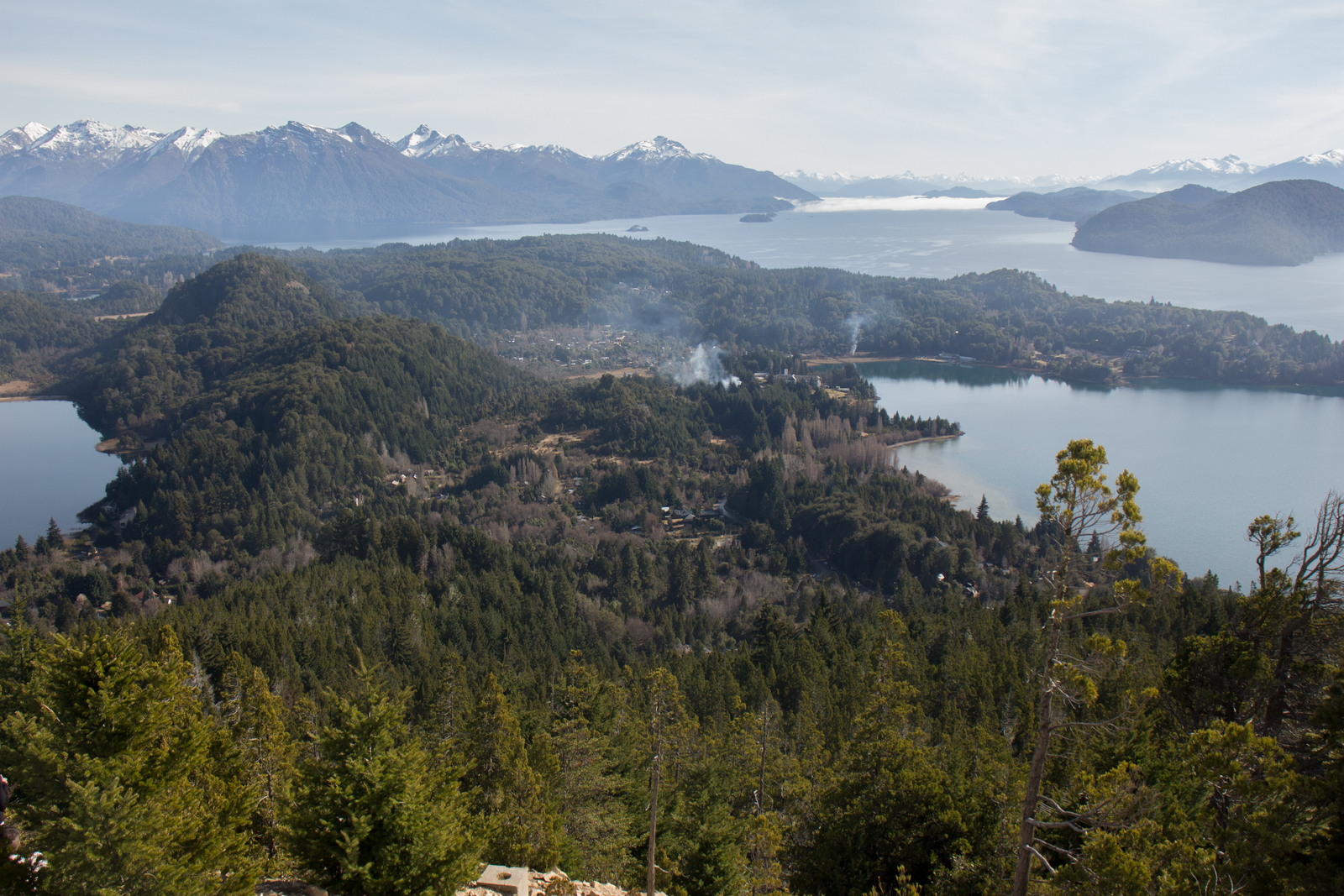
Cerro Campanario is a small hill at km 17.5 on Avenida Bustillo with a chairlift running up it, and from the top you see the whole thing at once: Nahuel Huapi wrapping around three peninsulas, Lago Perito Moreno behind, the Llao Llao forest, and the peaks stacked up behind that. The chair is AR$18,000 for adults and AR$10,000 for ages six to twelve. Line 20 stops at the door and runs about every twenty minutes on SUBE. You can also walk up in around half an hour if the queue is long, which it is at midday and isn't at nine.
Cerro Otto, closer to town, has a cable car from the km 5 base — twelve minutes, gondolas of four — with a free shuttle bus from Mitre y Villegas in the centro, which is a genuinely useful thing to know on a day with no car. Last ascent is 17:00 and last descent 18:30, and they close the summit doors at 18:00, so this is an afternoon rather than a sunset.
Chain them with the breweries and you have a full day that costs almost nothing and requires no planning: bus out, chair up, walk the Llao Llao trails, beer at Berlina, bus back.
The lake day, and how to halve the second gate
Isla Victoria, the arrayán forest, and a booking trick worth real money.
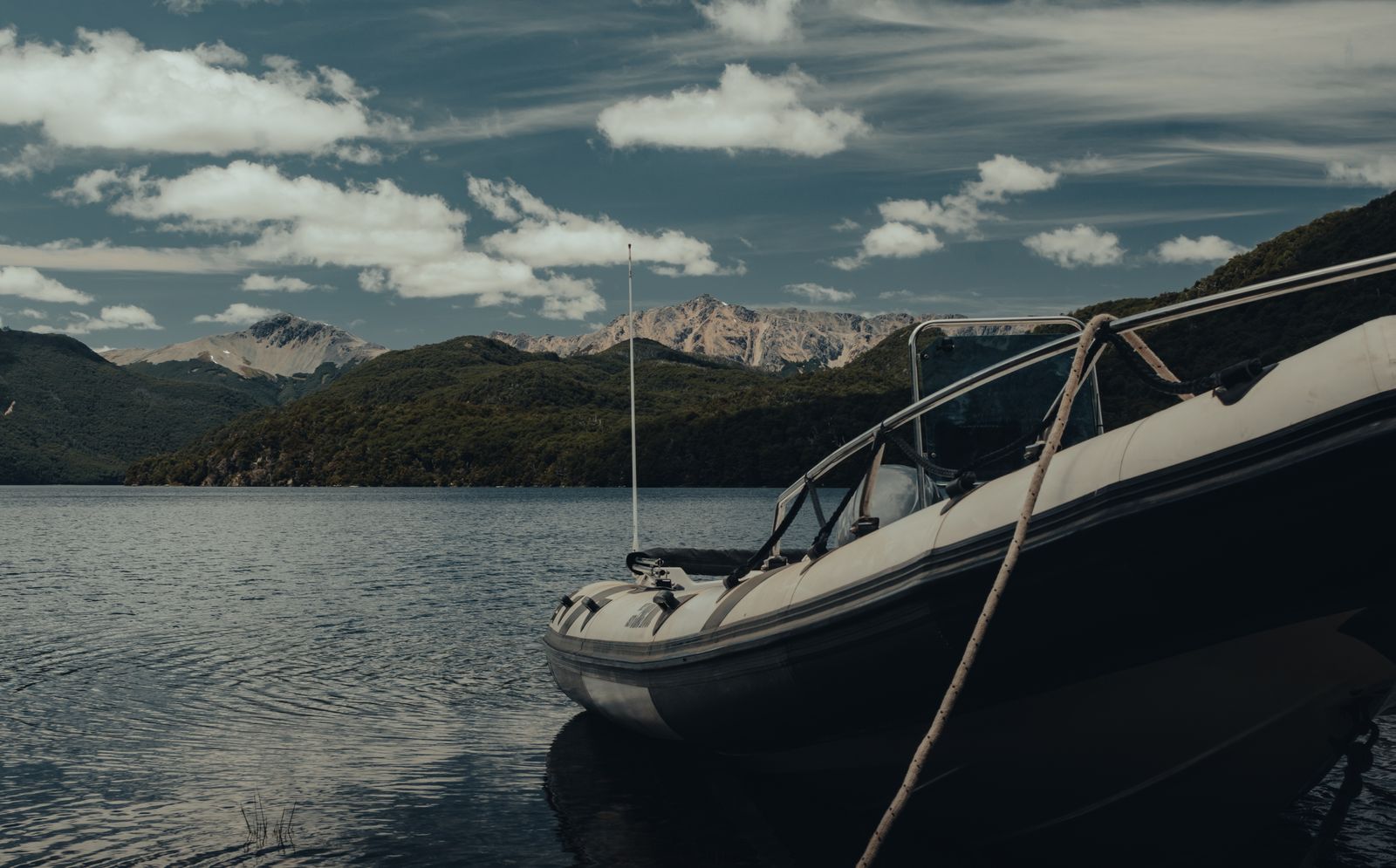
Every lake excursion leaves from Puerto Pañuelo, at km 25 by the Llao Llao hotel. The classic run is Isla Victoria and the Bosque de Arrayanes — about an hour of navigation each way, a guided walk on the island, and then a stand of arrayanes, cinnamon-barked trees with cold smooth trunks that grow in a proper forest almost nowhere else on earth. Two operators, Turisur and Cau Cau, both sail it, with departures at 09:00 and 12:30.
Costs stack here: a port fee of AR$7,600 per person on top of the park entry, because Puerto Pañuelo is one of the three places the park actually collects. Which is exactly why you want this day and the Tronador day inside the same 72 hours — the second park entry is half price. Same two days, same order, one calendar decision, meaningfully less money.
Tronador is a road you catch, not a place you drive to
One-way by the hour, 40 km of gravel, and a black glacier at the end.
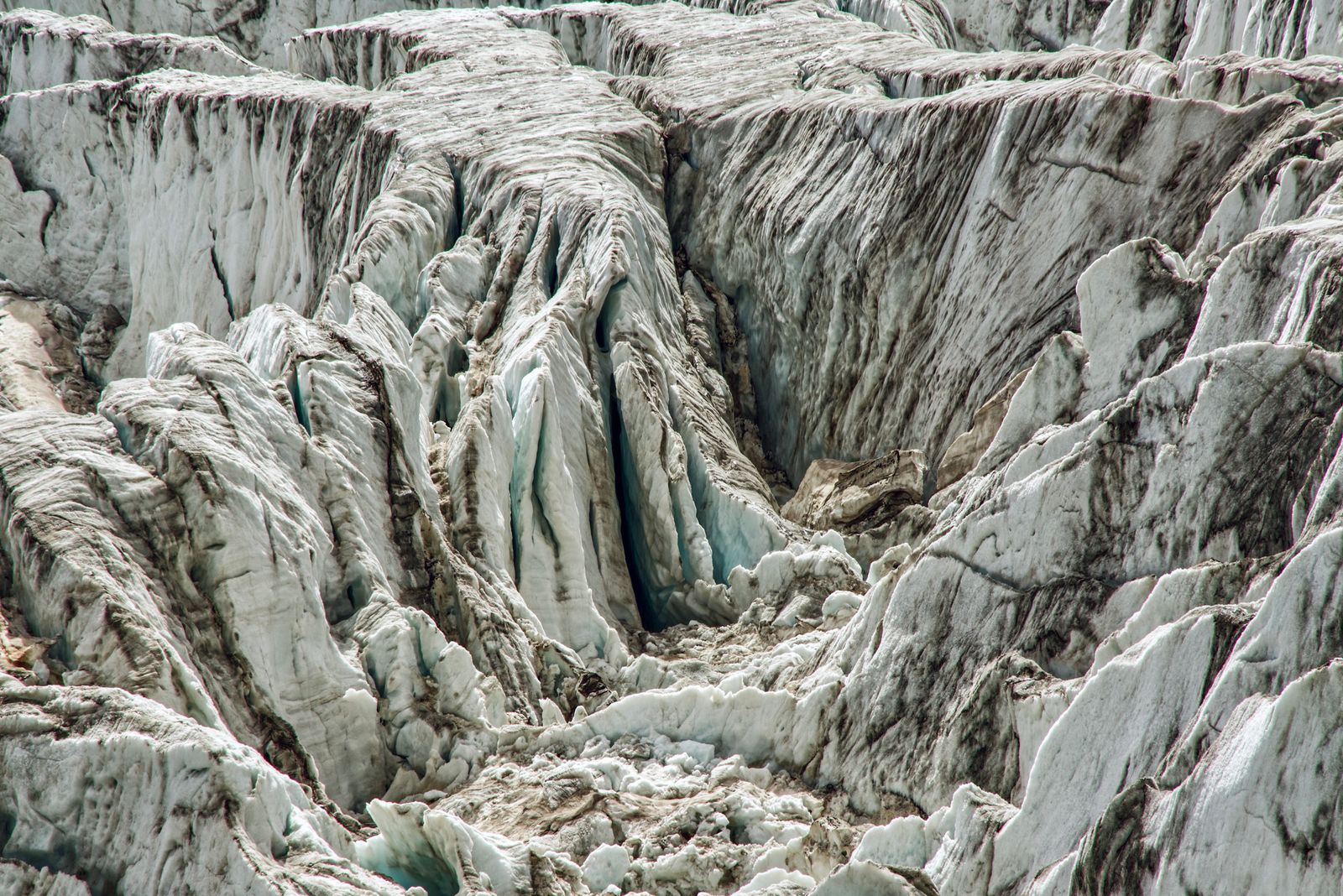
The Ventisquero Negro is a glacier so full of ground-up rock that it comes off the mountain grey-black, calving into a milky lake below a wall of ice you can hear working. Tronador itself — "thunderer" — is named for the sound. It is the biggest single thing you can do from Bariloche and it is entirely governed by a timetable.
Ascent 10:30–14:00 only. Descent 16:00–18:00 only. Two-way overnight, 19:30 to 09:00. Going up between 14:00 and 19:30 is prohibited. That's roughly 40 kilometres of ripio past the park gate, about two hours each way, and the final stretch beyond Pampa Linda is closed to low-clearance vehicles, so a small hire car doesn't get you all the way in regardless.
Practically: leave the centro by 08:30, buy the park pass online the night before, and put one person in charge of the clock. Organised departures run roughly 09:00 to 18:30 and for a group of eight a van with a driver is both cheaper per head than two rental cars and considerably better, because the gravel is genuinely tiring and somebody would otherwise have to stay sober for the whole day at a place designed for standing still and staring.
Skiing, honestly
South America's biggest ski area, in a run of thin winters.
Cerro Catedral is the largest ski area on the continent and on a good year it's superb. It has not been having good years. The 2026 season opened on 6 July with only the beginner Learning sector running, on 50 centimetres of machine-made snow from 40 cannons, after weeks of doubt caused by no precipitation and temperatures too warm to make more — the same delay hit 2025. Sectors open progressively as conditions allow, and lifts run 09:00 to 16:00.
Winter 2026 prices: AR$160,000 for a skier day pass, AR$90,000 for a pedestrian one. That pedestrian pass is the underrated line in this whole guide — it means the half of your group that doesn't ski can still go up, eat lunch at altitude with everyone, and come down, instead of spending the day alone in town.
Buy the ski days when you get there and can see the mountain. Never before.— On the difference between a ski trip and a bet
And when the snow isn't there: the Siete Lagos. Route 40 between Villa La Angostura and San Martín de los Andes is 110 kilometres of paved road through two national parks, about an hour and a half without stopping, which nobody does — Espejo, Correntoso, Escondido, Villarino, Falkner, Machónico, Lácar, one after another. Several of the side spurs are unpaved. As a return day-trip from Bariloche it's long; the honest version is a night in San Martín, or turning around at Villa La Angostura and calling it a good afternoon.
Where we would book
The registration is free and goes through Club Andino — don't let anyone charge you for it. Refugio Frey books direct at refugiofreybariloche.com and should be your first reservation if you want the overnight; 40 beds goes quickly. Isla Victoria books direct with Turisur or Cau Cau at Puerto Pañuelo. The park pass comes from the official national parks portal, in advance, always.
Campanario and Cerro Otto need nothing but a bus and a card. For Tronador, if there are more than four of you, get quotes from two local transfer operators and compare against a rental — with a driver the day is better, and split across eight it usually isn't dearer.
Related guides
- Bariloche Comprehensive Guide — where to base yourself so these days are short.
- Bariloche Food Guide — where to eat once you've earned it.
- Bariloche Culture Guide — the club that built these trails, and the town that built the club.
- Bariloche Group Trip Guide — mixed abilities, one mountain, one bill.
- Florianópolis Activities Guide — the same instinct, at sea level and in January.