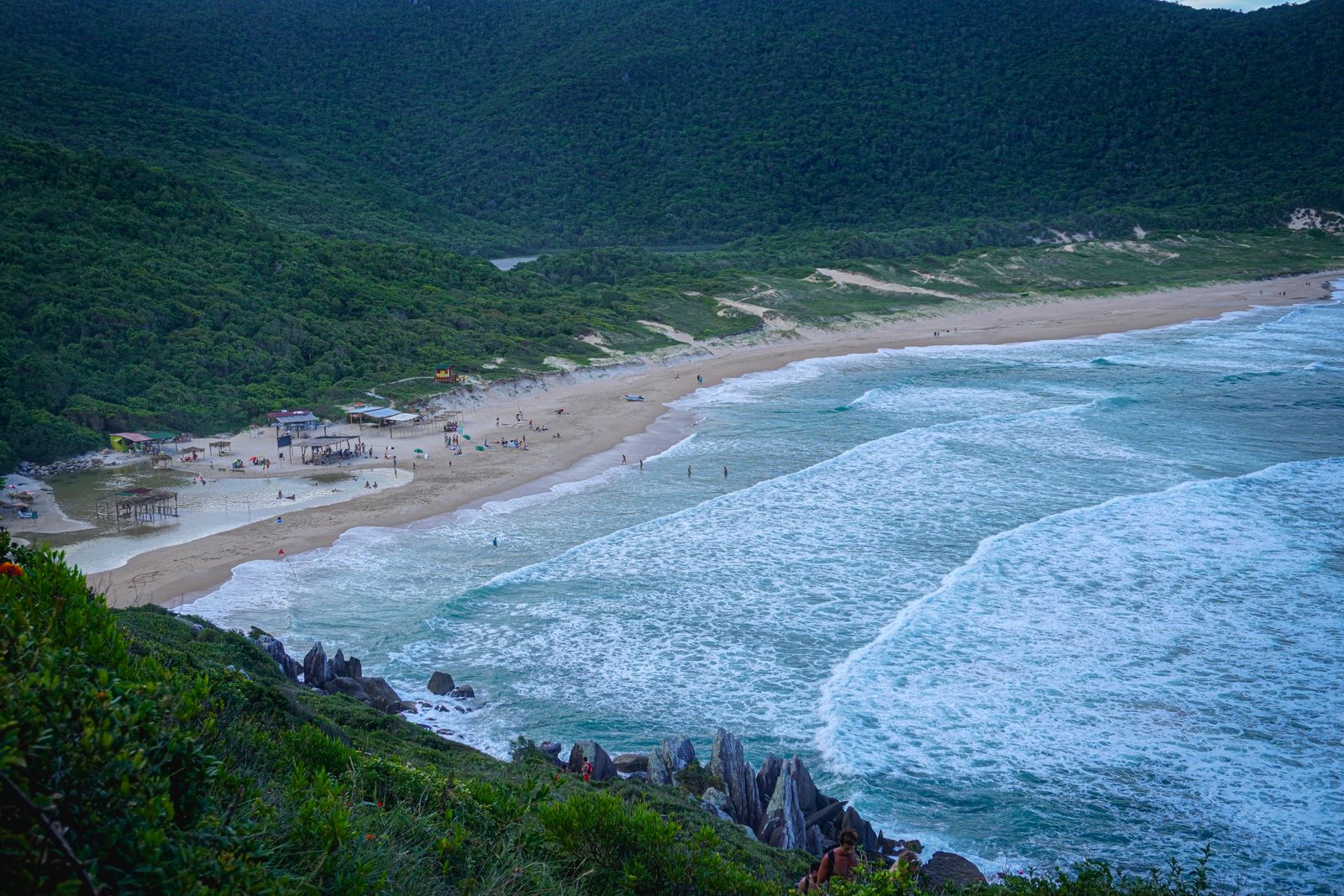
Here is the thing nobody tells you about Florianópolis: it is not a city you visit, it is an island you have to choose a side of. Fifty-four kilometres long, forty-odd beaches, and one road spine that everything funnels onto. The north is calm bay water and beach clubs. The east is surf, the lagoon and the nightlife. The south is fishing villages, oysters and the wild empty stuff. They are twenty kilometres and forty minutes apart, except in January, when they are two hours apart and you will not believe it until it happens to you. Pick your side first. Everything else follows.
Getting in, and getting around
The airport is easy. The island's one road is the problem.
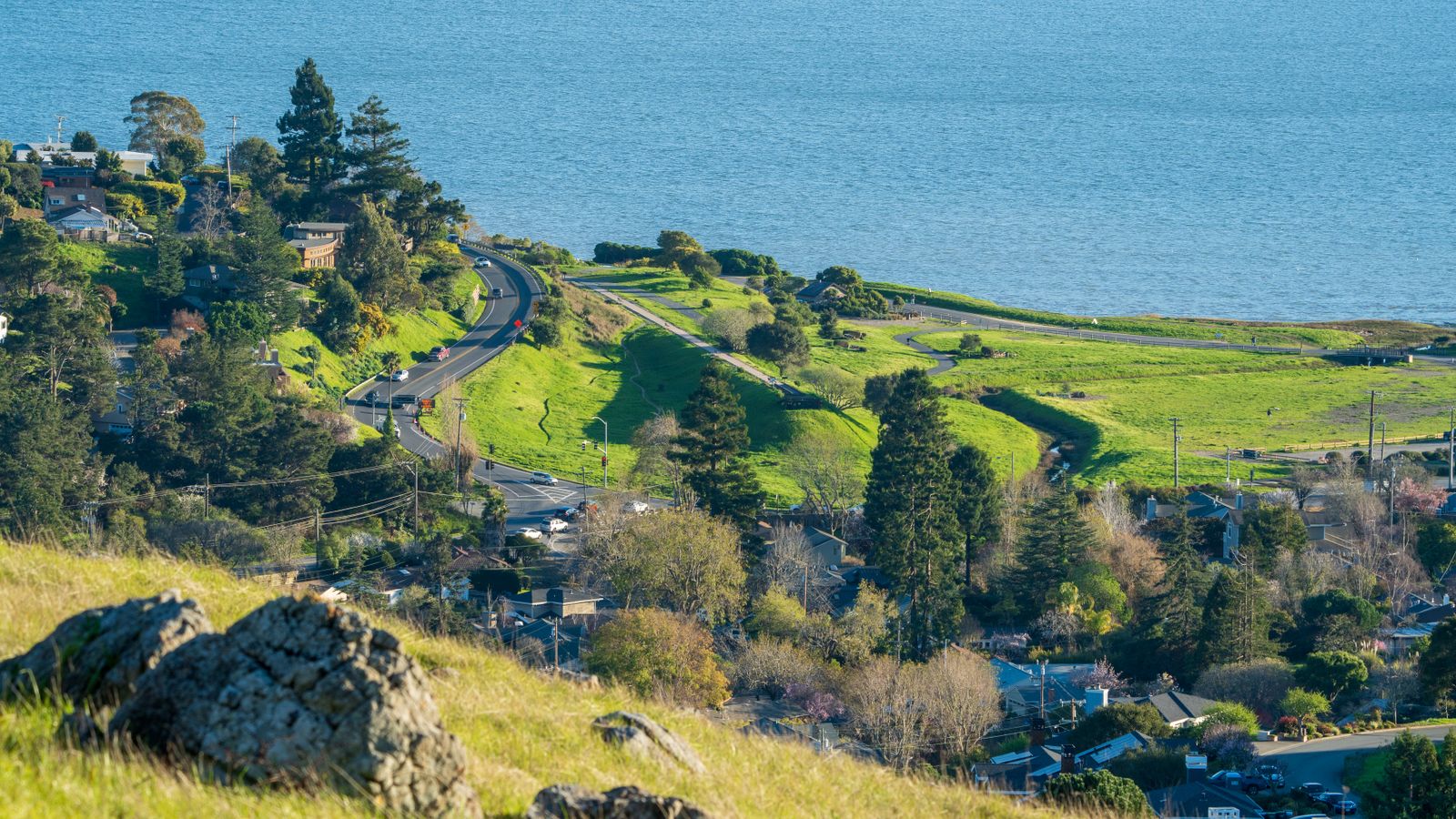
Hercílio Luz International (FLN) is small, modern and sits on the island itself, which saves you the mainland crawl. A car to the centre runs roughly R$40–60 and takes about 20 minutes; out to Lagoa da Conceição it's more like R$50–70. Campeche is the closest neighbourhood to the terminal, which matters more than it sounds when four of you land at 1am. Ride-hailing works properly across the whole island and is the default for almost everything. Public buses are cheap and genuinely go everywhere, but they route through terminals, so a cross-island hop that looks like twenty minutes on a map becomes an hour and a change — fine if you're not in a hurry, painful if you are. Keep phones zipped and bags in your lap at TICEN and the beach terminals, which are the one part of the transport system where pickpockets actually work, and travel off-peak if you can. With four or more of you, two cars beats six bus fares on both time and money almost every time.
Renting a car is the question everyone asks. Our honest answer: only if you're basing in the south or planning to move. A car makes Ribeirão da Ilha, Pântano do Sul and the far beaches genuinely easy and turns a R$70 taxi into a R$15 tank of shared petrol. It also means somebody is the designated driver on a night out, parking near the good beaches in summer is a competitive sport, and in high season you will sit in the same jam as everyone else, just with more responsibility. Base in the Lagoa and skip it. Base in the south with six people and a beach list, take it.
Nothing on this island is far. In January everything on this island is two hours away. Both of these are true and only one of them is on the map.— On the summer road
Where to base yourselves
This is the whole decision. Get it right and the trip plans itself.
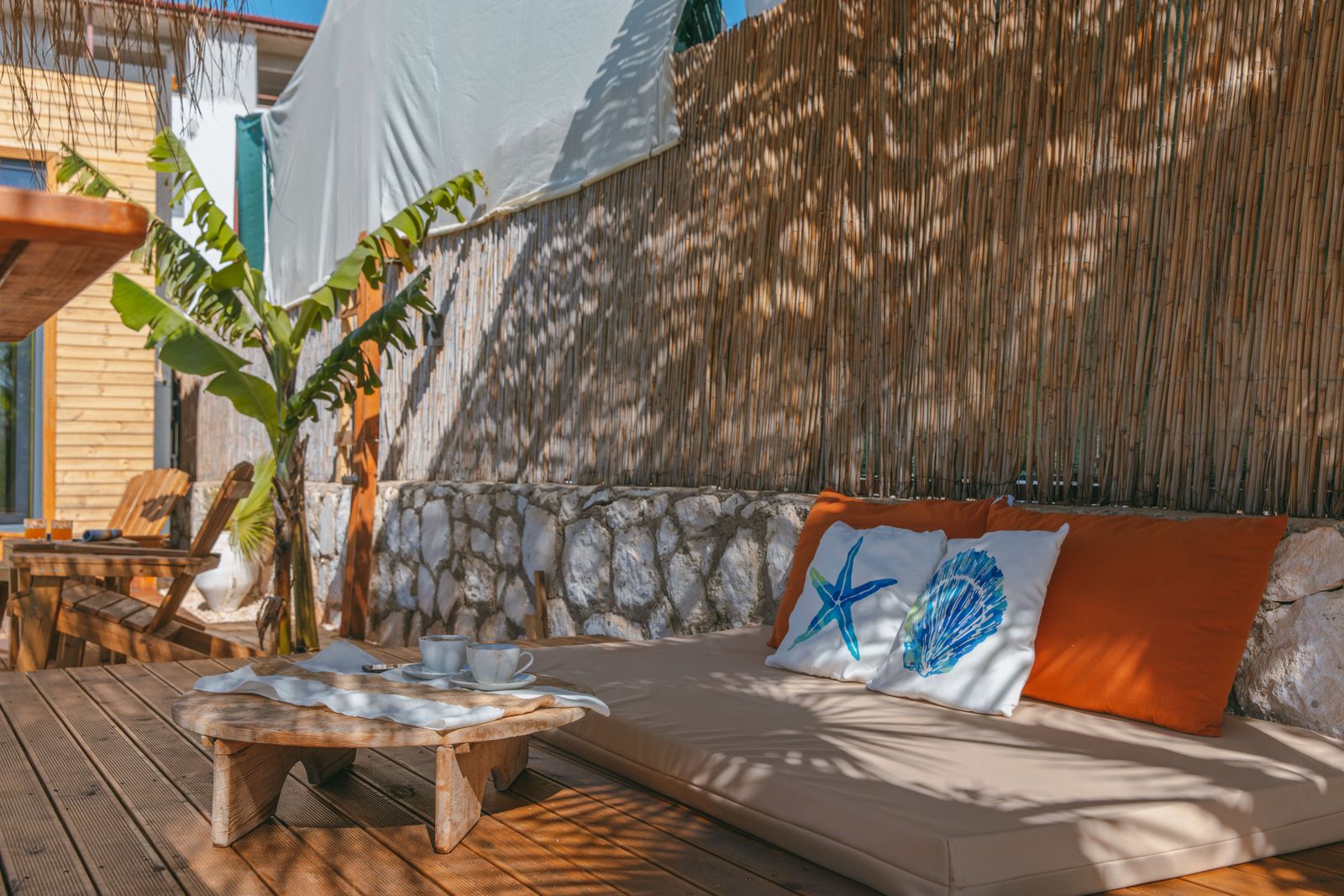
Lagoa da Conceição is the answer for most groups. It sits in the middle of the island on a huge brackish lagoon, ten minutes from the surf beaches on one side and the dunes on the other, and it's the only base where you can walk to dinner, walk to a bar, and walk home. It's also the loudest and the priciest of the sensible options. Campeche is the one we'd pick for a house: a real neighbourhood where people live all year, closest to the airport, a long wild beach, surf schools, and rents that make eight people doing the maths smile. Barra da Lagoa is the fishing-village version of the Lagoa — smaller, cheaper, a proper beginner's beach, and a bus ride from the nightlife rather than a stumble.
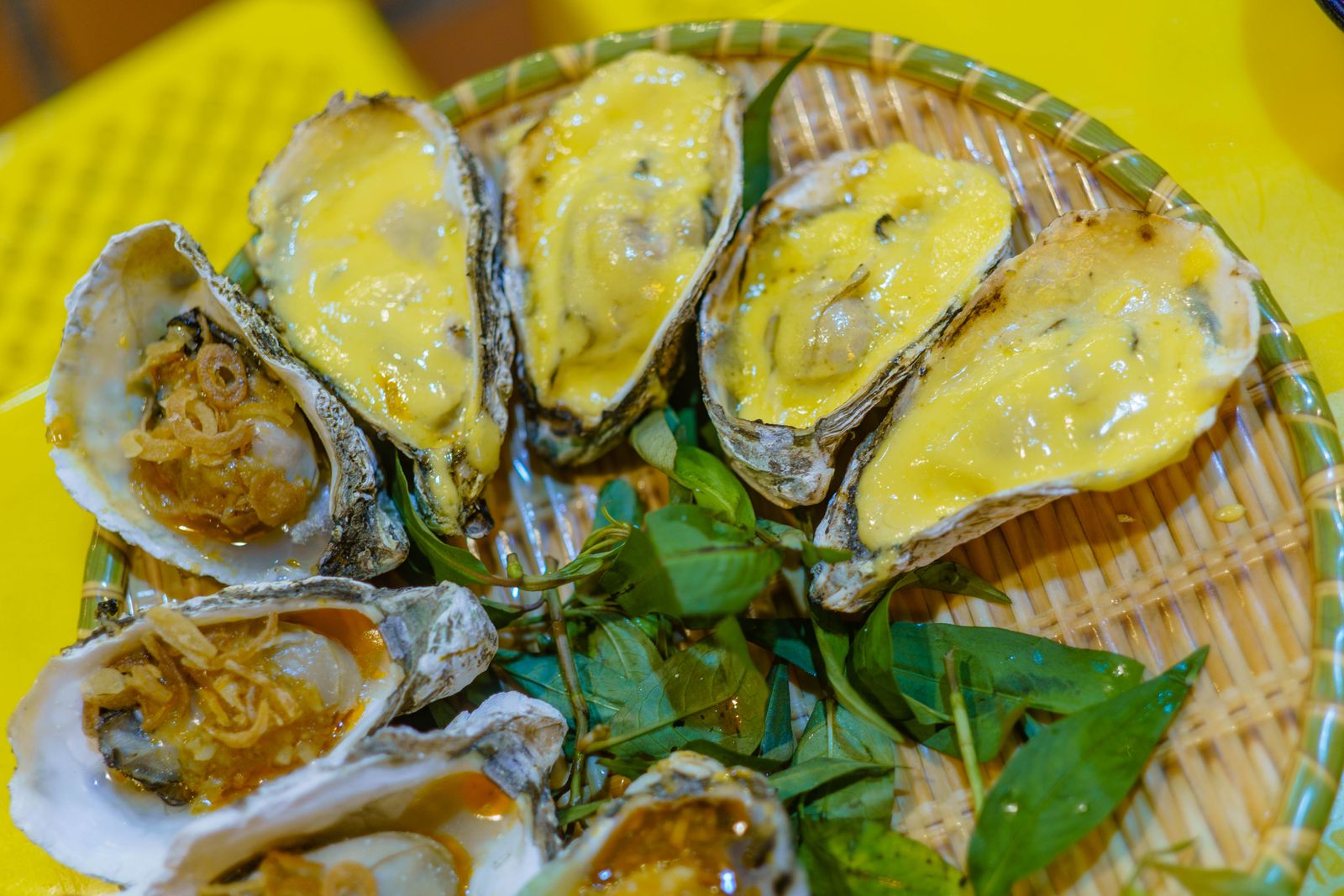
Further out: Jurerê Internacional in the north is the glossy one, with beach clubs and nightly rates above R$800, and it's genuinely lovely if that's the trip you want — calm bay water, no waves, good for people who don't surf. Canasvieiras and Ingleses next door are the package-holiday north, packed and Argentine-accented in January and quiet the rest of the year. And the deep south — Armação, Pântano do Sul, Ribeirão da Ilha — is where you go if what you want is fishing boats, oysters and a beach you might have to yourselves, at the cost of a car and a twenty-minute drive to anything else.
Renting the house, and the maths that makes it work
Groups here rent houses, not rooms, and that's the single biggest reason Floripa punches above its price. A four-bedroom house with a yard and a churrasqueira in Campeche or the Lagoa runs roughly R$3,500–6,000 for a week outside high season — call it R$4,800, which is R$600 each with eight of you, about $115, for the whole week. That's less than three nights in a mediocre double. Two things to check before anyone pays. First, book at least two months out for anything between mid-December and Carnival, when prices double and the good houses go early. Second, ask directly whether the price includes the taxa de limpeza and whether the pictures are current — a lot of listings show the yard in December light and the reality in June. Do the two-tab trick: find it on the platform, then search the owner's name or the house name; plenty of Floripa places take direct bookings on WhatsApp for less.
The island, coast by coast
Four completely different days, all within twenty-five kilometres.
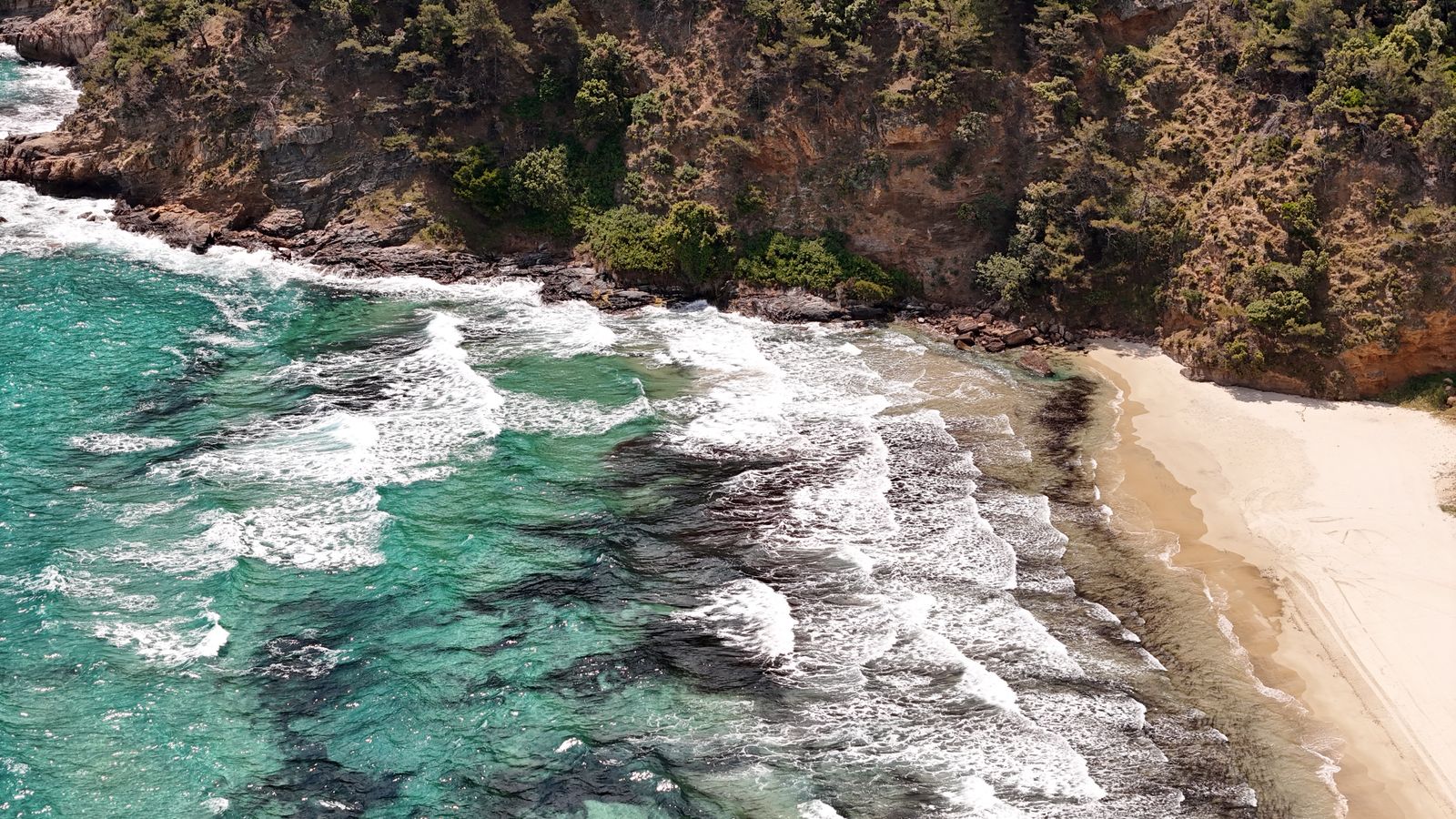
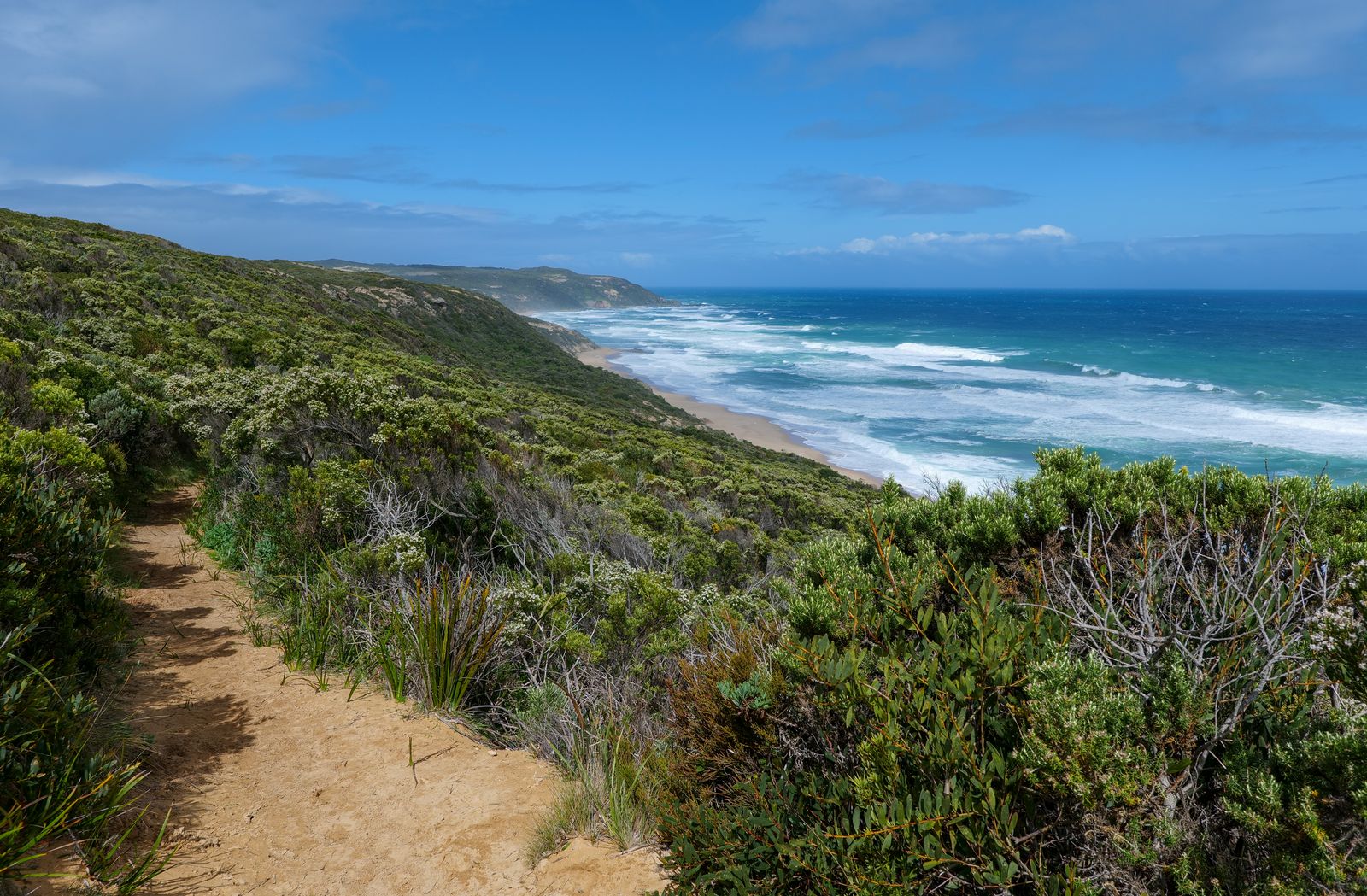
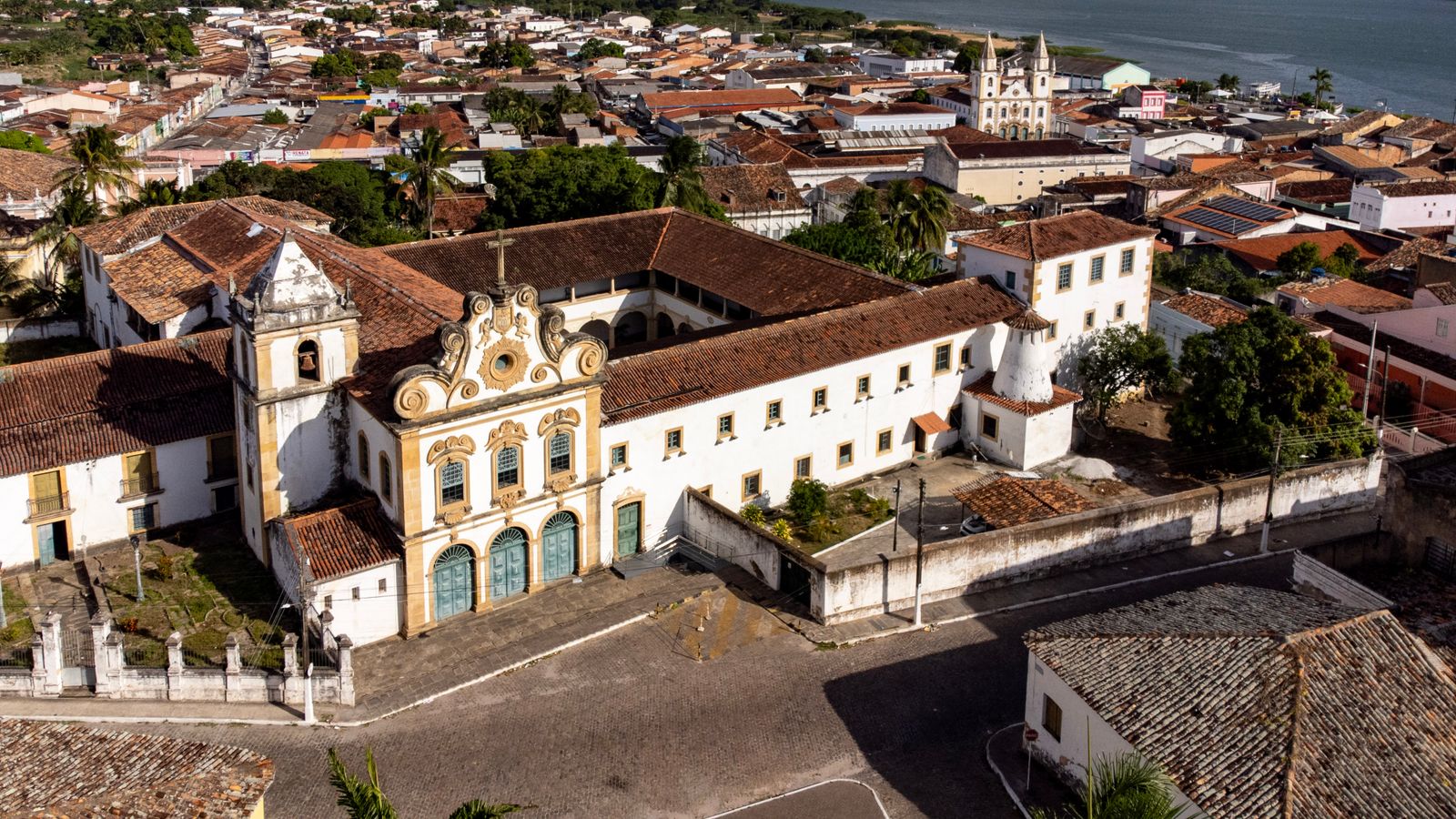
Think of it as four islands sharing a bridge. The east coast — Mole, Joaquina, Campeche, Moçambique — is open Atlantic: big surf, long sand, strong currents, and the beaches that photograph. The lagoon in the middle is flat, warm and brackish, which makes it the place for paddleboards, kite surfers, sunset and dinner. The south narrows into headlands and fishing villages, and holds the two best walks on the island. The bay side, facing the mainland, is where the Azorean villages are and where the water is flat enough to swim without thinking — Santo Antônio de Lisboa, Sambaqui and Cacupé line up along it and catch the sunset, which is why they call it the Rota do Sol Poente.
- Lagoa da Conceição — the lagoon, the dunes, the bars, the middle of everything.
- Praia Mole & Joaquina — surf, sand dunes, and the currents to respect.
- Campeche & Armação — long open beach, surf schools, the boat to the island.
- Pântano do Sul & Lagoinha do Leste — fishing boats, the best walk, the emptiest sand.
- Ribeirão da Ilha — oyster beds, colonial cottages, the long lunch.
- Santo Antônio de Lisboa — Azorean village, flat water, sunset with a plate of oysters.
- Jurerê & Canasvieiras — calm bay beaches, beach clubs, the north's summer.
How long, and a shape for the days
Five days is a real trip. A week and you stop driving.
A shape that works for six people with a house in the Lagoa or Campeche. Day 1: land, supermarket, cook at the house, walk down to the water. Do not plan anything else — the first day belongs to the shop and the churrasqueira. Day 2: the beach nearest you, then dinner in the Lagoa. Day 3: the walk to Lagoinha do Leste, boat back if the boats are running, and an early night because your legs will insist. Day 4: Ilha do Campeche if you booked it, or Costa da Lagoa by boat if you didn't. Day 5: oysters at Ribeirão da Ilha for a long lunch, then the sunset on the bay side. Anything past that and you get the good version of this island, which is the one where you go back to the same beach twice because you liked it.
When to go
March to May and October to December. January only if you mean it.
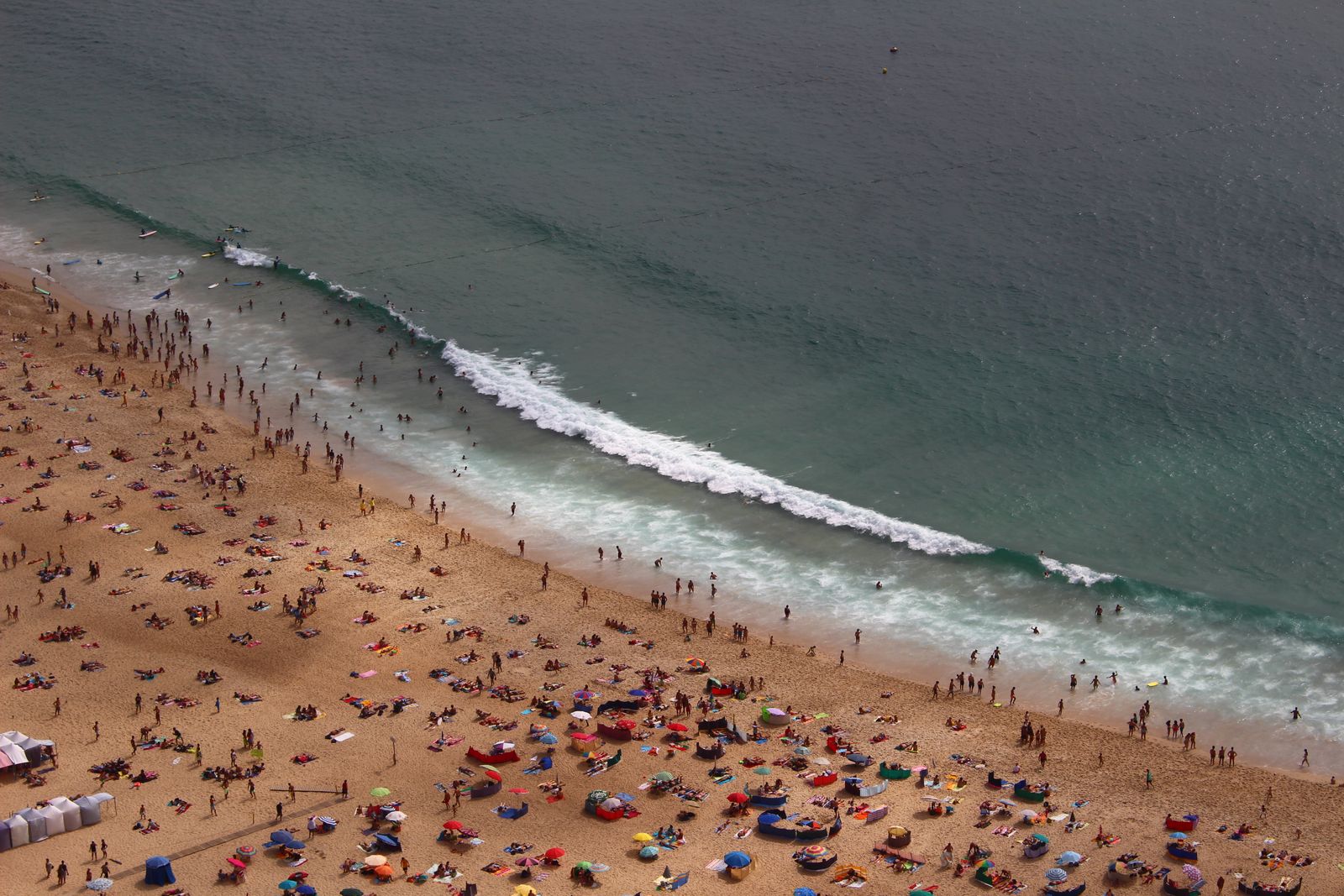
December through Carnival is the peak, and it is a genuine phenomenon: an island of 440,000 people takes on close to a million, the beaches fill, prices roughly double and the roads seize. January is functionally an Argentine month, and if that's your crowd it's the best party in the southern hemisphere. Just book it in September and accept the traffic as the price. March to May and October to early December are the windows we'd actually pick — water still warm, days still long, houses at half the rate, and you can park. Winter (June to August) is cool, grey-blue, cheap and beautiful in a completely different register, and it has something the summer doesn't: the safra da tainha, the mullet season, which runs 1 May to 31 July and turns the fishing beaches into the island's real cultural event. Bring a jacket, eat the fish, have the beach to yourselves.
Where we would book
The house is the only thing you truly need to lock early — two months out for the shoulder seasons, four or more for anything from mid-December to Carnival. Book it direct where you can (the two-tab trick above) and get the cleaning fee confirmed in writing before anyone transfers a deposit. Ilha do Campeche is the one attraction with a hard cap and a real booking process: the municipal entry ticket comes from the Prefeitura's own site at R$15 a person, and the boat is separate and booked with an operator from Barra da Lagoa or Armação — do both a few days ahead in summer, and read our activities guide before you pay anyone. Restaurants: Ostradamus takes bookings directly and is worth calling ahead for a group; Bar do Arante doesn't take them and doesn't need to. For everything else — the trails, the lagoon, the beaches, the sunset at Santo Antônio de Lisboa — there is nothing to buy and nobody worth paying, so we don't pretend otherwise.
Related guides
- Florianópolis Food Guide — oysters where they're grown, the sequência, and the market counter.
- Things to Do in Florianópolis — the island boat, the best walk, the surf and the dunes.
- Florianópolis Culture Guide — the Azorean villages, the lace, and the tainha season.
- The Complete Buenos Aires Guide for Groups — the city half this island flies in from every January.