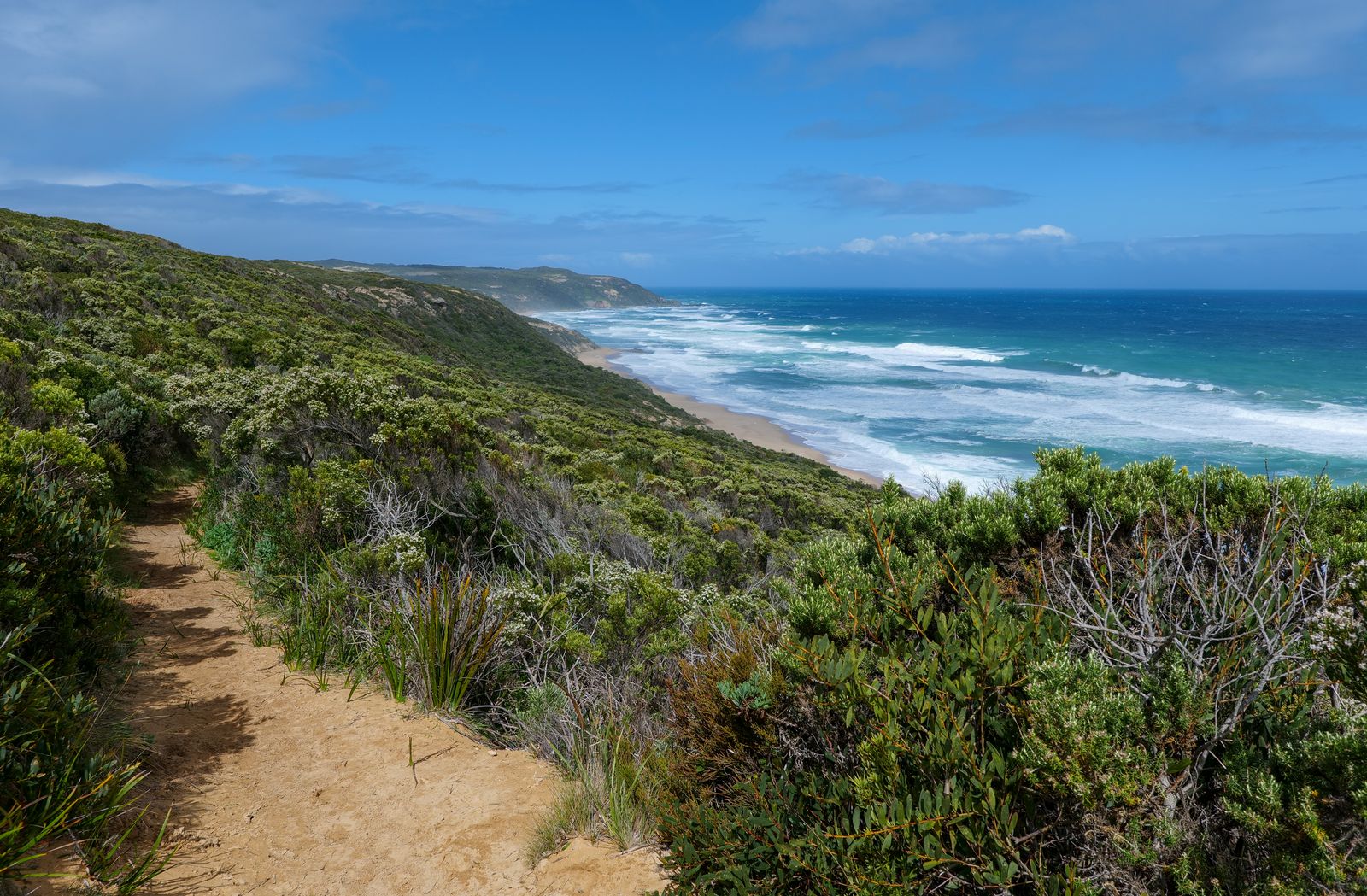
The best things on this island are free and involve walking, and the two that aren't free are worth the process. Everything below is arranged roughly by how much booking it takes, because that's the actual constraint here — not money, not time, but whether the thing has a cap, a boat, or a weather dependency. Start with the one that needs planning and let the rest fall around it.
Ilha do Campeche, and the two tickets nobody expects
A capped island with rock carvings and impossible water. Book it properly or don't go.
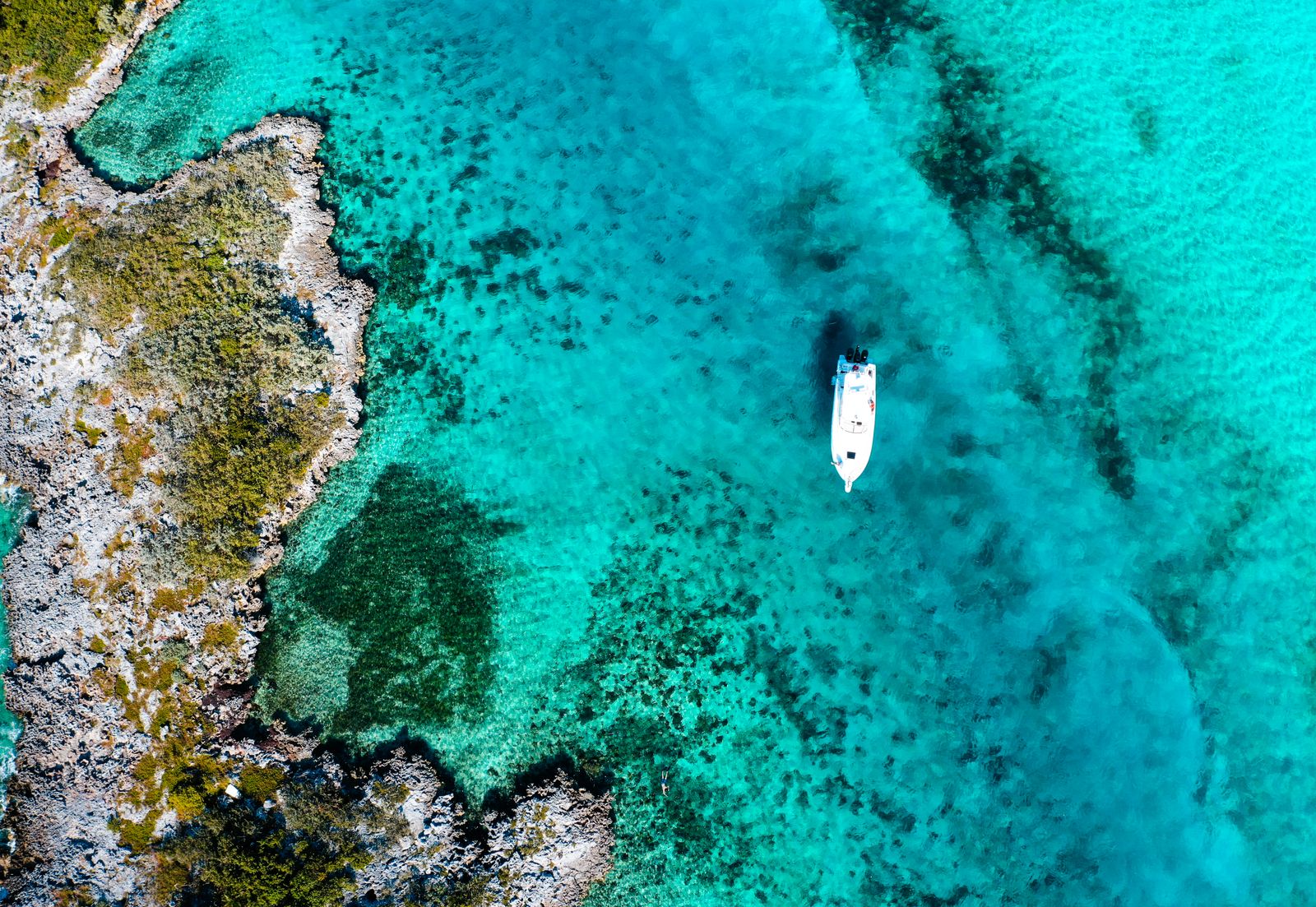
Ilha do Campeche sits a few kilometres off the east coast and looks like somebody dropped the Caribbean into the south Atlantic — white sand, clear green water, Atlantic forest, and pre-colonial rock inscriptions that make it a protected archaeological site. That protection is why it's the one thing here with real rules. Access is capped at 800 visitors a day and controlled digitally, and there are two separate payments that catch people out constantly.
- The municipal entry ticket — R$15 per person, bought online from the Prefeitura's own site. Personal, unique, non-transferable.
- The boat — separate, and booked with an operator, roughly R$150 a head in low season and R$250–350 in high season (December–March).
- Photo ID on the day, matching the name on the ticket. They do check.
- Boats run 09:00–17:00, and they don't go in bad weather. Build in a spare day.
Book both several days ahead in summer — the cap means the island genuinely sells out. Boats leave from Armação, Barra da Lagoa and Canasvieiras depending on operator. Take water and food: there's a small kiosk but you don't want to depend on it, and you can't take glass. Then swim in that water and forgive the paperwork.
The best walk on the island
Lagoinha do Leste: two hours on foot, and no other way in.
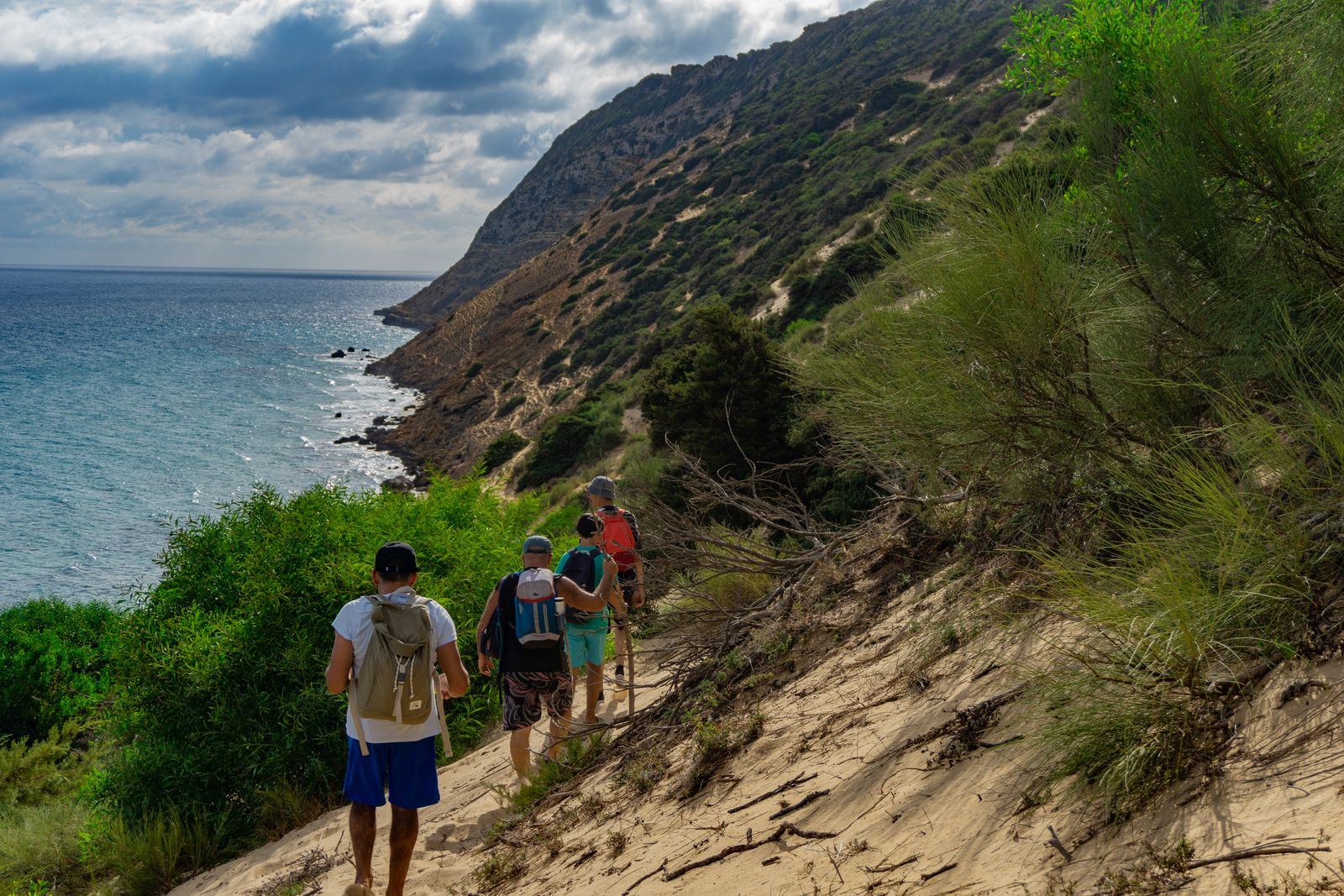
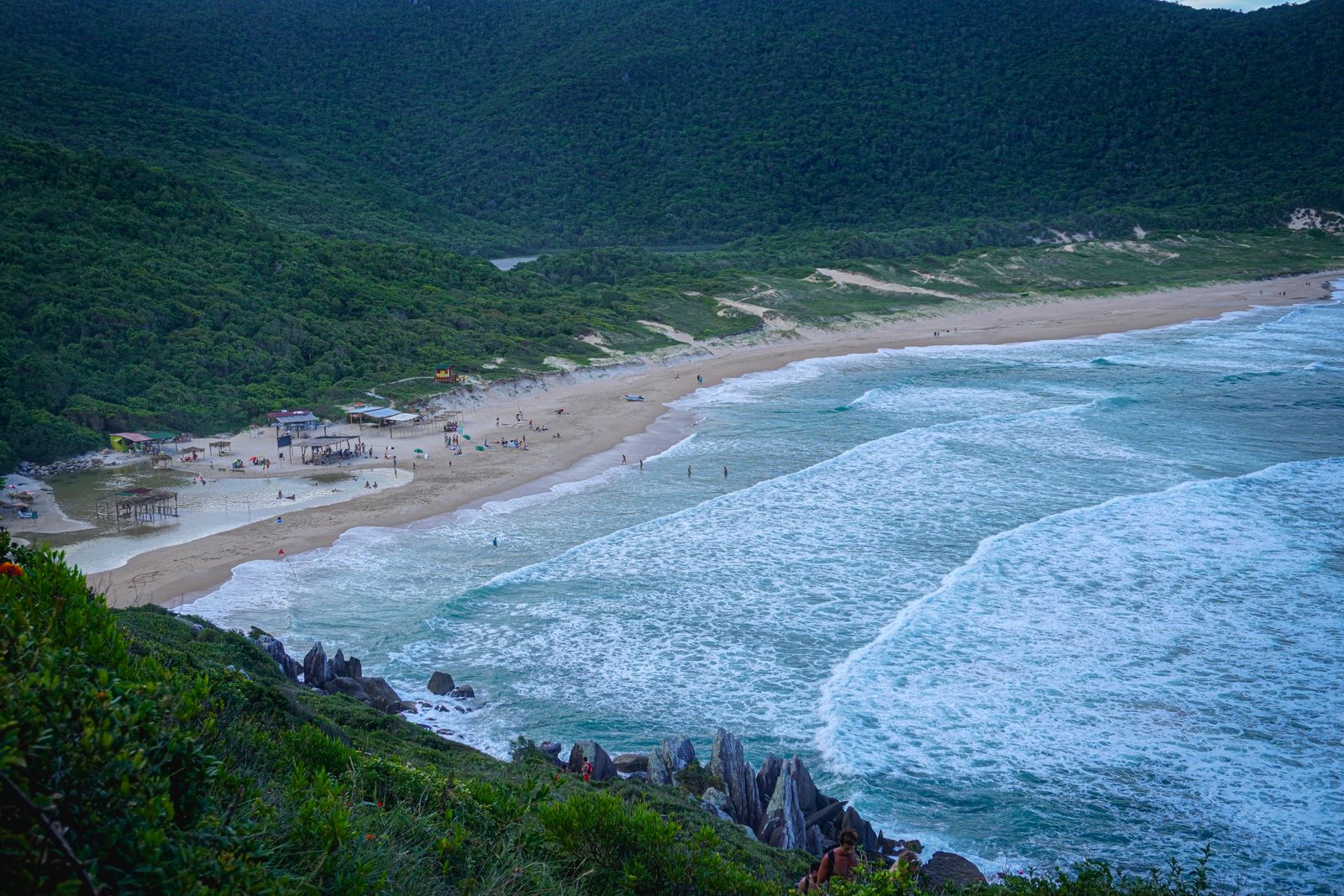
Lagoinha do Leste is a beach you cannot drive to. There's no road, no kiosk, no lifeguard and no phone signal worth the name — just a curve of sand between two green headlands with a freshwater lagoon behind it. You get there on foot from Pântano do Sul (about 4.3km there and back, roughly two hours, moderate — dense forest, roots and rocks, then open coast with the sea below you), or on the longer, harder route from Matadeiro. Neither is dangerous; both are hotter than you expect. Take twice the water you planned, go early, and wear shoes with a grip.
Two things make this a great group day. First, the climb up Morro da Coroa above the beach, which is steeper and shorter than the walk in and delivers the view the whole island is famous for. Second, the boats: small craft run back to Pântano do Sul from the beach for around R$35 a person, which saves your knees and turns the day into a loop. They're weather- and demand-dependent and there's no schedule, so treat the boat as a lovely surprise rather than a plan — if six of you are counting on it and it isn't running, you're walking, and that's a very different afternoon.
The rule for the south of this island: assume you're walking back. If the boat's there, it's a gift.— On Lagoinha do Leste
Costa da Lagoa, the village with no road
A boat taxi, a long lunch on the water, and a six-kilometre walk if you fancy it.
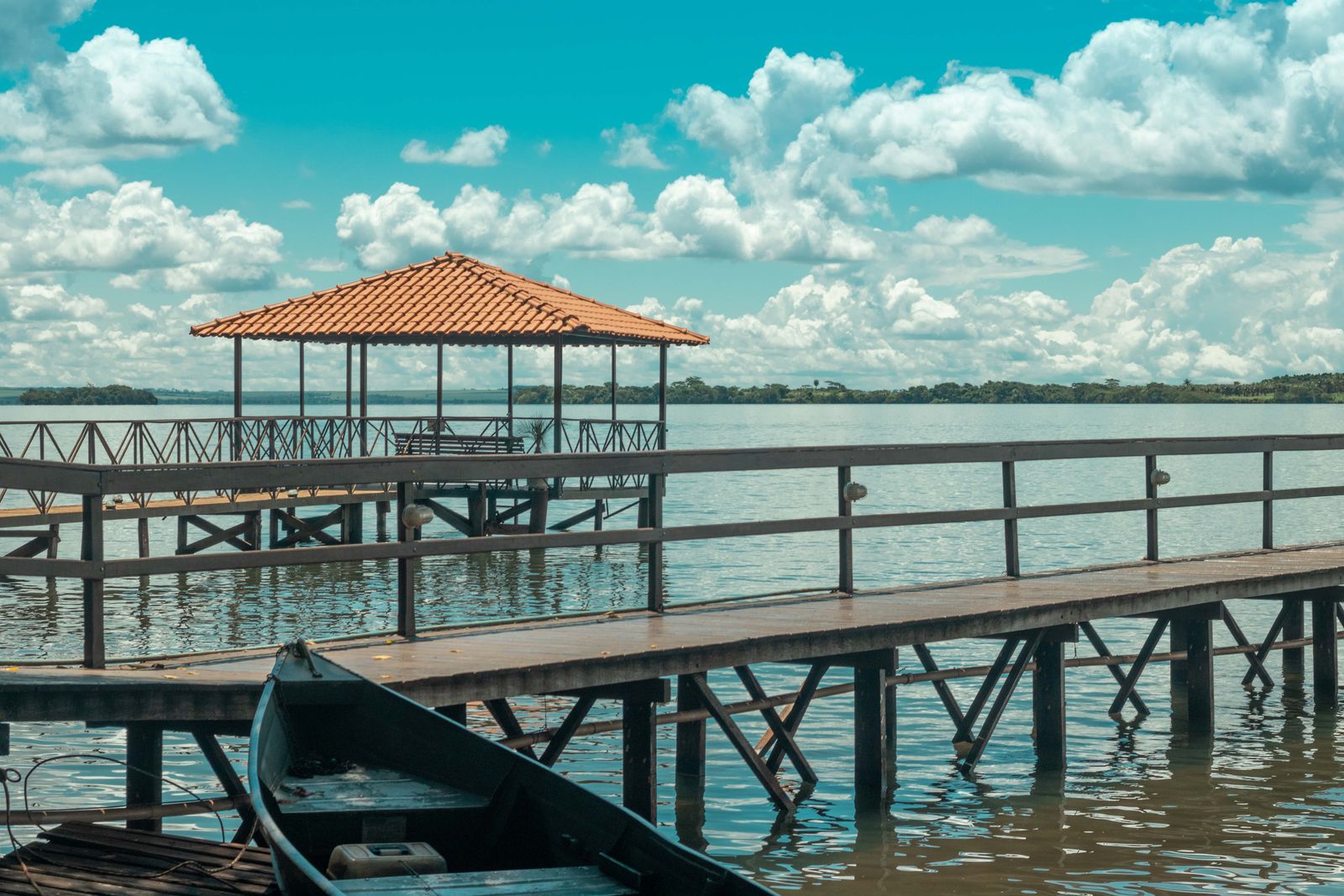
On the far shore of Lagoa da Conceição there's a fishing settlement that has never had a road to it. Costa da Lagoa is reached by boat taxi from the Lagoa — they leave roughly hourly and take 10–15 minutes — or on foot along a 6km lakeside trail from Canto dos Araçás. The classic version is to walk in and boat out: an easy, flat, shaded couple of hours with the water beside you the whole way, a long seafood lunch at one of the restaurants on the jetty, and a ride home across the lagoon at dusk. Some of the restaurants include the boat back for diners — ask when you sit down, because it changes the maths. There's a waterfall a short walk up behind the village for anyone who still has legs.
Surf, sand and the lagoon
Where to learn, where not to learn, and the dunes in between.
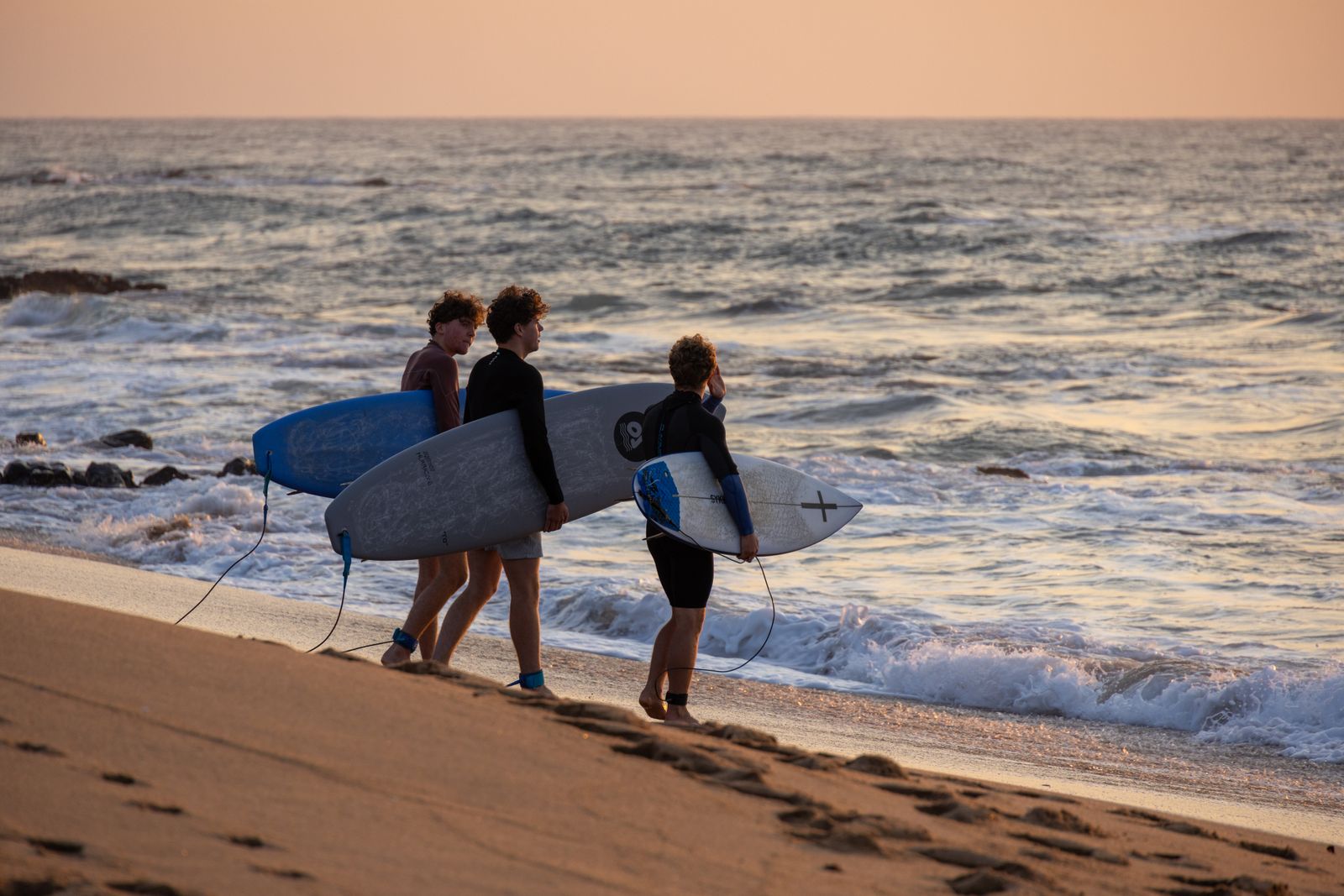
If anyone in the group is learning, the answer is Barra da Lagoa: a sheltered fishing beach with several surf schools that rent boards and wetsuits and run group lessons, and waves that forgive. Praia Mole and Joaquina are the famous ones and are not beginner beaches — they're steeper, stronger and carry serious rip currents, and every summer they catch confident swimmers out. Read the flags, swim between them, and if you get pulled out, go along the shore rather than straight back at the beach.
Between Joaquina and the lagoon sit the dunes, and sandboarding down them is the cheapest fun on the island: boards rent for about R$30–50 an hour (basic ones nearer R$20), or R$70–100 with an instructor. It is much harder than it looks and the walk back up is the actual workout. On the lagoon itself, stand-up paddleboards and kayaks rent by the hour along the Canto da Lagoa shore, and the flat, shallow water at the north end is where the kite surfers go — worth an hour of watching even if you don't.
Where we would book
Ilha do Campeche is the only thing on this page that genuinely requires it, and it needs two bookings, not one: the R$15 municipal ticket from the Prefeitura's own site, and the boat separately with an operator at Armação, Barra da Lagoa or Canasvieiras. Don't buy a bundled "Campeche tour" from a street desk without checking the municipal ticket is actually included and in each person's name — that's the gap the resellers live in. Surf schools at Barra da Lagoa are walk-up and cheaper booked at the beach than online; message a school on WhatsApp the day before if you want a group lesson at a set time. Sandboards are rented on the spot at the Joaquina dunes, cash and Pix, no reservation. Boat taxis to Costa da Lagoa are turn-up-and-pay at the Lagoa jetties. And the trails — Lagoinha do Leste above all — are free, unguided and the best thing here, so there is nothing to sell you and we don't.
Related guides
- Your Florianópolis Travel Guide — which coast to base on, and when to come.
- Florianópolis Food Guide — oysters, the sequência, and the sunset side.
- Florianópolis Culture Guide — the Azorean villages, the bridge, and the tainha season.
- Things to Do in Buenos Aires — the other half of the January migration, minus the surf.