Venice is the museum
The collection is the city. Pace accordingly.
Venice has more first-rate art per square meter than anywhere on earth, and the worst conditions for seeing it: heat, crowds, and the constant pull of the spectacle outside. The strategy that works is the opposite of completionism — two serious interiors a day, mornings for the famous ones, and the confidence to let a Tintoretto go unseen. The city has been patient for sixteen centuries; it can wait for your next trip.
What follows is the short list we'd actually defend, in priority order, with the queue-avoidance built in.
San Marco: the basilica strategy
Gold by morning light. Horses on the loggia.
St Mark's is a Byzantine treasure chest the Venetians assembled around a smuggled saint and four centuries of looted marble — and at opening, before the piazza wakes, it's transcendent. Book the timed slot on the official site (entry is a few euros; the slot is the point). Inside, pay the small supplements that matter: the Pala d'Oro, a wall of gold and enamel behind the altar, and the loggia, where you stand beside the bronze horses — carried off from Constantinople, copies below, originals up here — above the whole piazza. Shoulders and knees covered, no big bags; the mosaics light best before 11am.
The Doge's Palace
Take the Secret Itineraries tour. Cross the bridge from inside.
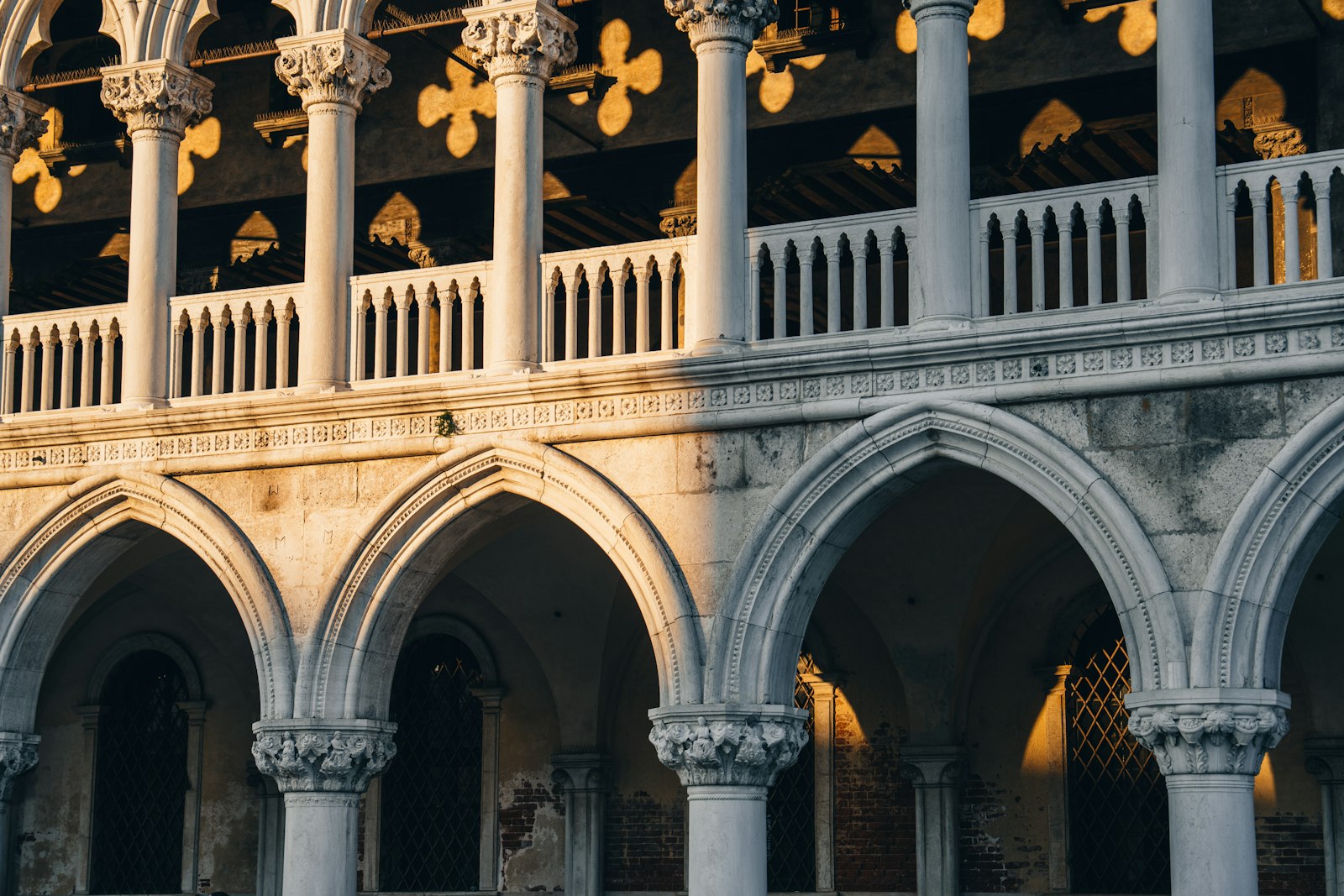
The pink palace ran an empire for a thousand years, and even the standard route is great — the council chamber with Tintoretto's Paradiso, the largest old-master canvas anywhere, then the walk over the Bridge of Sighs into the prisons, which you experience from inside rather than photograph from out. The upgrade worth planning around is the Secret Itineraries tour: the interrogation rooms, the torture chamber, and the attic cell Casanova actually escaped from — small groups, booked weeks ahead on the official site, and it skips the main line entirely.
Tintoretto's room
Venice's Sistine Chapel, with no queue.
Scuola Grande di San Rocco
Tintoretto spent twenty-four years covering this confraternity house with some sixty canvases, ceiling included — the most sustained one-painter performance in Western art. Pick up one of the mirrors lying around the upper hall and read the ceiling without losing your neck. About ten euros, rarely crowded, five minutes from the Frari. If you see one interior beyond San Marco, see this.
Pair it with the Frari next door: Titian's Assumption blazing over the high altar, Bellini's triptych glowing in the sacristy, and Canova's pyramid tomb. The two together are the best art afternoon in the city.
Two masterpieces a day, then a spritz. Completionism is how Venice defeats you.— On pacing
The paintings: Accademia and the moderns
Five centuries on one bank of one canal.
- Gallerie dell'Accademia — Venetian painting from gold-ground to Tiepolo: Bellini's altarpieces, Giorgione's untranslatable Tempest, and Veronese's Feast in the House of Levi, the dinner party that got him hauled before the Inquisition — he renamed the painting rather than repaint it. Two hours, morning slot.
- Peggy Guggenheim Collection — her unfinished palazzo on the Grand Canal, dense with Pollock, Ernst, and Magritte, plus the best sculpture terrace in Italy. The garden holds her grave, next to her dogs'.
- Punta della Dogana / Palazzo Grassi — the Pinault collection's contemporary shows in the old customs house at the canal's tip. Worth it for the Tadao Ando renovation alone.
Churches worth the ticket
Three euros at the door. Masterpieces inside.

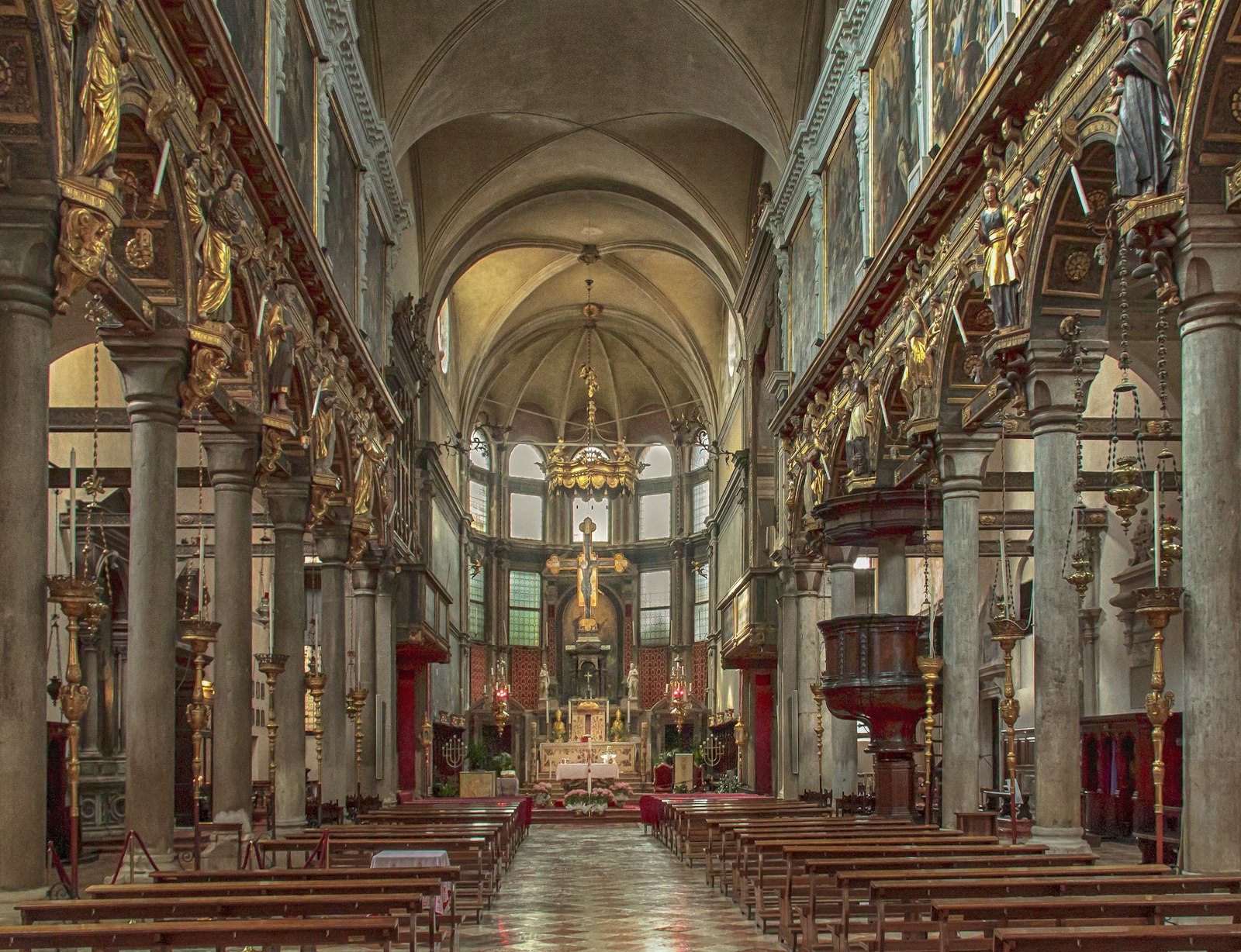
Venice's working churches charge a small entry (€3–4) or take the Chorus Pass (~€14 for a dozen of them). The shortlist: Santi Giovanni e Paolo, the Pantheon of the doges, twenty-five of them entombed in Gothic brick; Santa Maria dei Miracoli, a marble jewel-box the size of a chapel that every architect in your group will lose their mind over; and Madonna dell'Orto in Cannaregio, Tintoretto's parish church and resting place, two of his hugest canvases flanking the choir. San Giorgio Maggiore — Palladio's white basilica across the basin — rounds it out and doubles as the best campanile in the city (see the activities guide).
The Biennale and the calendar
Half the year, the world's art moves in.
From late April to November, the Biennale fills the Giardini pavilions and the Arsenale's medieval rope-works with the world's biggest art and architecture exhibition, the two alternating year by year — and even Biennale skeptics should see the Arsenale, a building the exhibition merely borrows. Carnevale owns the two weeks before Lent: masks, fog, and triple-priced rooms. Redentore (the third weekend of July) is the locals' festival — a pontoon bridge to Palladio's church on the Giudecca and the year's best fireworks over the basin. Book accommodation months out for any of them.
One-day culture plan
If the group gives you one day for art, spend it like this.
Basilica at opening (booked slot), Doge's Palace mid-morning (Secret Itineraries if you got it), long lunch in San Polo off the food guide, then San Rocco and the Frari back-to-back in the quiet of mid-afternoon. Spritz in Campo Santa Margherita. Five wonders, and nobody cried.
Where we would book
Basilica and Doge's Palace tickets only on the official sites — the basilica via its official booking page and the palace at Palazzo Ducale's own site — where the timed slots are real and the fees aren't. Secret Itineraries sells out weeks ahead; if it's gone direct, GetYourGuide sometimes holds allocation with a licensed guide, the one reseller case we'd endorse. San Rocco, the Frari, and the Chorus churches need no pre-booking — pay at the door and be glad fame is unevenly distributed.
Related guides
- Your Venice Travel Guide — three days, honestly done.
- Venice Food Guide — the lunches between the Tintorettos.
- Venice Activities Guide — the lagoon all this art keeps painting.
- Mexico City Culture Guide — murals instead of mosaics, same strategy.
- Venice Group Trip Guide — the same city, planned for six or ten of you.