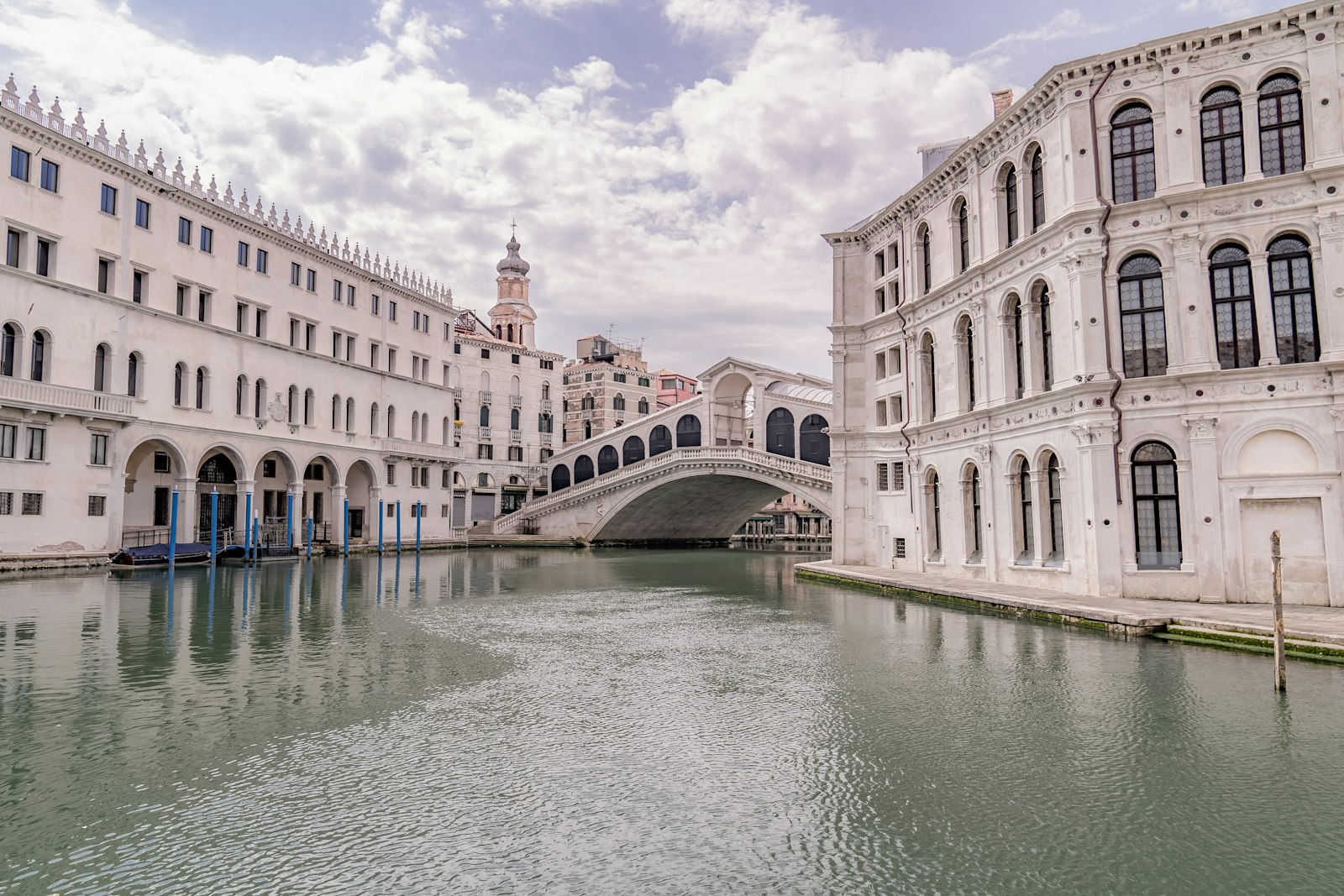
Venice rewards the early riser
Book three things. Get lost for the rest.
Venice has a rhythm problem, and it works in your favor. Between ten and four the day-trippers compress into one thick artery between the Rialto and San Marco — and the rest of the city stands nearly empty. Wake up early twice, stay out past nine every night, and you'll meet a Venice most visitors never see: footsteps echoing in the basilica, fish barges at the market, a lagoon gone flat and gold.
This is how we'd do three days with a group. Not every church, not every Tintoretto. The version where you come home having actually seen it — fed, rested, and a little smug about the bacaro you found by getting lost.
The city in six pieces
Six sestieri. No cars. Twenty-five minutes corner to corner.
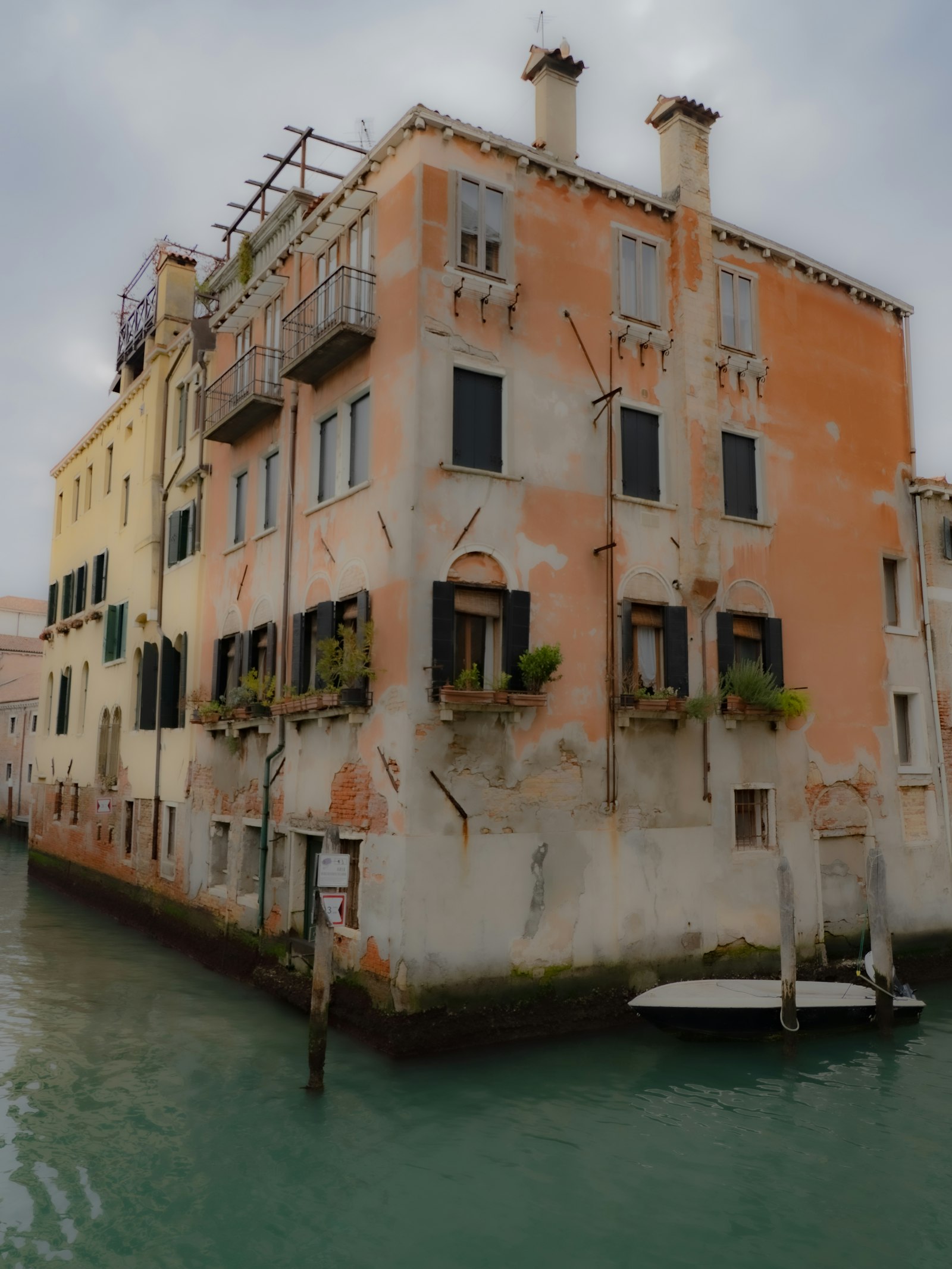
Venice divides into six sestieri, and they're more useful as moods than as boundaries:
- San Marco — the marble heart. Basilica, Doge's Palace, the great piazza, and the densest crowds and prices. Magnificent at 8am, a scrum at 2pm.
- San Polo / Santa Croce — the market quarter. The Rialto fish market, the best bacaro crawl in the city, and the Frari's Titians.
- Dorsoduro — the art bank. Accademia, Peggy Guggenheim, the Zattere promenade for sunset, and student life around Campo Santa Margherita.
- Cannaregio — the local north. The old Jewish Ghetto, long straight fondamente lined with bars, and the evenings we'd plan around. If we're choosing where to stay, we're choosing here or Dorsoduro.
- Castello — the green east. Via Garibaldi's morning market, the Biennale gardens, and real neighborhood life ten minutes from San Marco.
- The lagoon — Murano, Burano, Torcello, the Lido. Day three lives out here; the full plan is in the activities guide.
Before you fly: the booking list
Three reservations. Twenty minutes. Do it now.
- St Mark's Basilica — entry is a few euros, but the timed slot is what you're buying; book it on the official site and walk past a queue that can hit an hour in season.
- The Doge's Palace — book the timed entry online, or better, the Secret Itineraries tour, which gets you into the cells and attics with a guide and skips the main line. Details in the culture guide.
- One dinner — the trattorie worth eating at in Venice are small and book out a week or more. Pick the big-night spot from the food guide and reserve before you fly.
One more piece of admin: on peak spring and summer days, Venice charges day-trippers an access fee. Overnight guests are exempt, but you need the exemption voucher — your hotel or host will send the link. Sort it the week before, not at the station.
Day one: San Marco before the boats arrive
The basilica at opening. The piazza to yourselves.
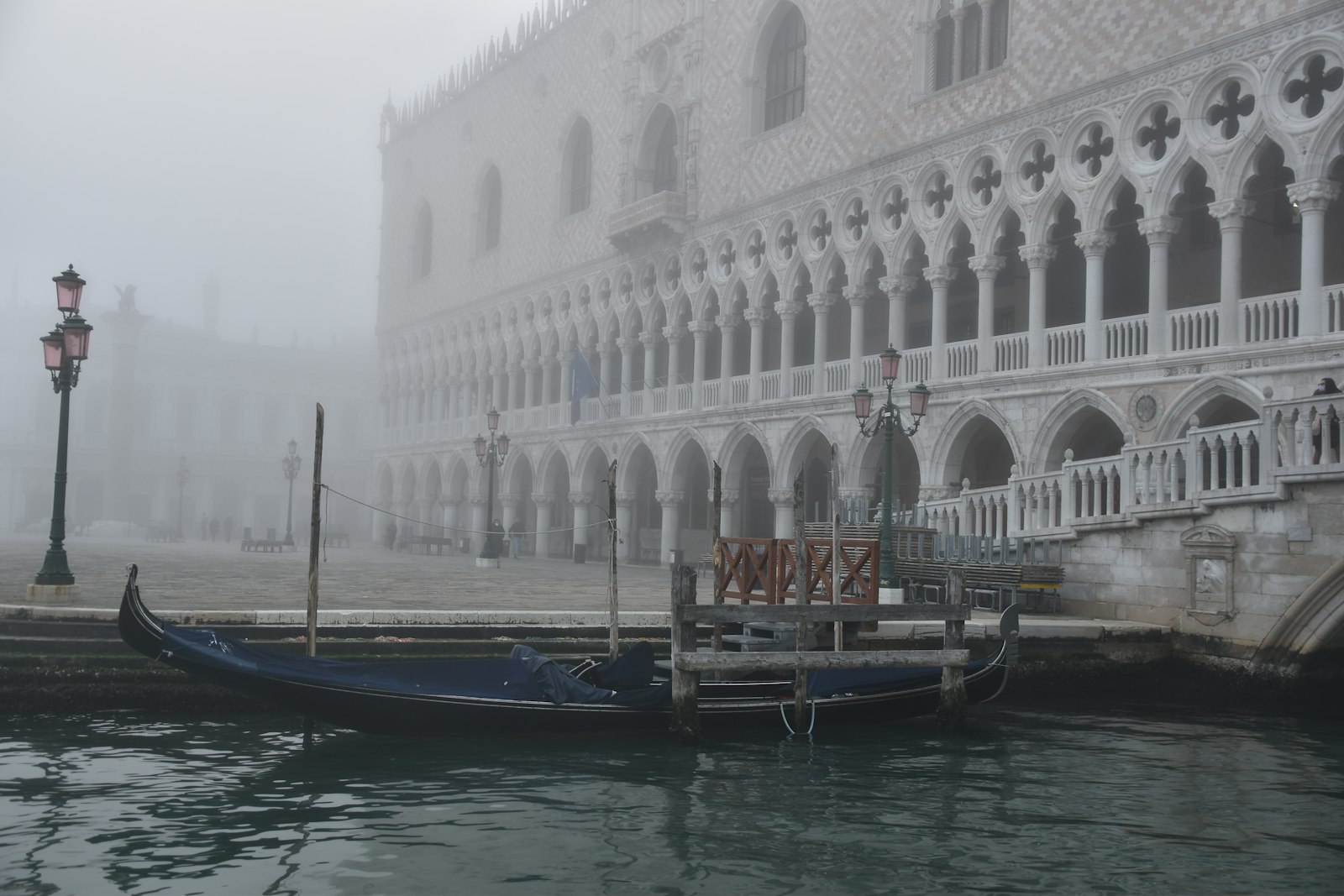
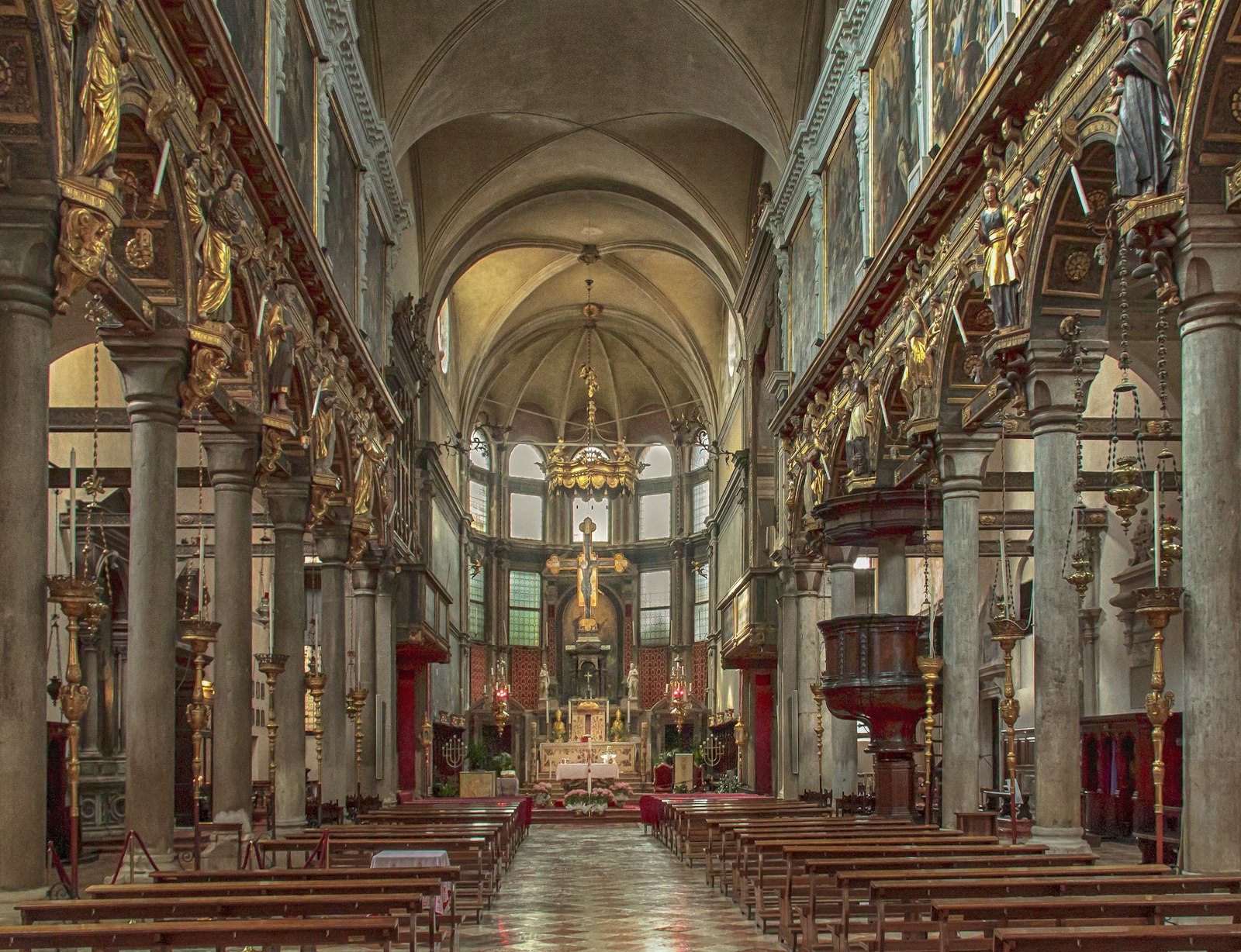
Take the earliest basilica slot offered. The gold mosaic ceiling needs morning light and silence, and at opening you get both — by eleven it's shoulder to shoulder. Pay the few extra euros for the Pala d'Oro and the loggia, where the bronze horses overlook the piazza Napoleon supposedly called the drawing room of Europe.
The Doge's Palace next door fills the late morning: the world's largest old-master canvas in the council chamber, then over the Bridge of Sighs to the prisons — you cross it from the inside, which beats photographing it from the outside. Long lunch in Castello, away from the piazza's €6–9 espressos. In the late afternoon, take the two-minute vaporetto hop to San Giorgio Maggiore and ride the lift up its campanile: the same panorama as the San Marco tower, aimed back at Venice, for a fraction of the queue. Dinner in Cannaregio along the Fondamenta della Misericordia.
The trick to Venice isn't avoiding the crowds. It's being asleep when they arrive and out when they leave.— On timing Venice
Day two: the market, the crawl, and the art bank
Eat standing up. Look at paintings sitting down.
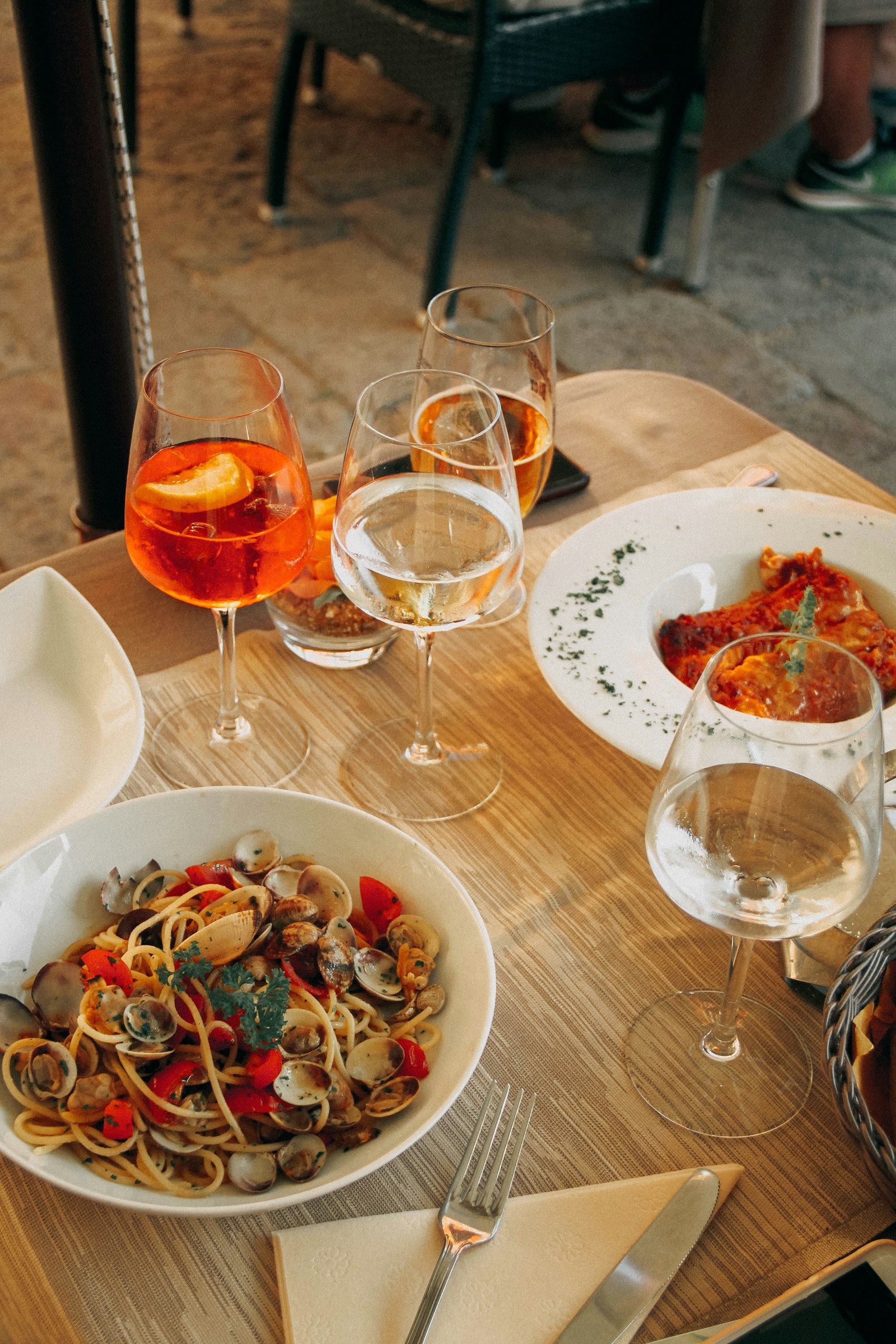
Start at the Rialto fish market by nine (Tuesday to Saturday only) — moeche crabs in spring, the lagoon's whole catalog on ice, and the oldest food theater in Europe. When the stalls wind down, the bacari around the market open their counters: this is the cicchetti crawl, Venice's great contribution to lunch, and the food guide maps it bar by bar.
Walk it off across the Rialto Bridge and into Dorsoduro for the afternoon: the Accademia for five centuries of Venetian painting, or the Peggy Guggenheim for the twentieth, in her palazzo on the Grand Canal. Both, if you're greedy, but two hours each is plenty. End on the Zattere at sunset with a gianduiotto from Nico, then aperitivo in Campo Santa Margherita.
Day three: the lagoon
Three islands, one boat line, no rush.
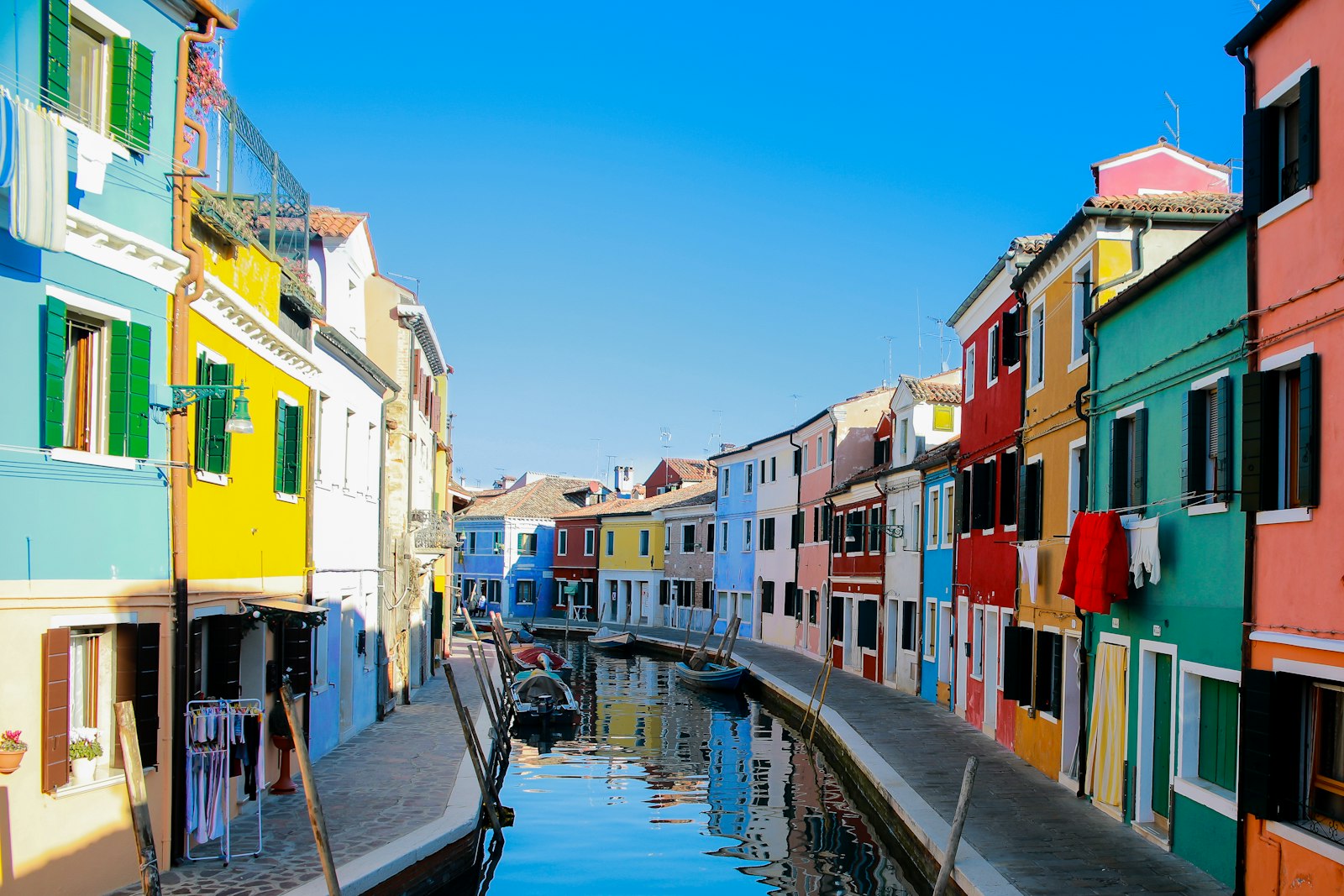
Vaporetto line 12 from Fondamente Nove strings together the lagoon's greatest hits. Murano first for the glass furnaces — go early and watch a maestro work, skip the showrooms with cruise-group pricing. Burano for lunch and the most photogenic streets in Italy, every house a different saturated color. Then Torcello, the hour of quiet that makes the day: a nearly empty island with a cathedral begun in 639 whose mosaics predate San Marco's.
Back in the city by early evening for the last bacaro round. If your group would rather swim than sightsee, June through September the Lido swaps in as a beach day — details in the activities guide.
Where to stay
Cannaregio for the evenings. Dorsoduro for the days.
For groups, an apartment in Cannaregio is the move: real bars at your door, the station fifteen minutes away on foot, San Marco fifteen in the other direction. Dorsoduro is the same idea with more art and students; Castello east of the Arsenale is the quiet, local version. What we'd avoid: anything overlooking Piazza San Marco (you're paying triple to sleep above the crowds) and ground-floor rooms anywhere — in acqua alta season the canal occasionally visits. Check the listing's floor before you book.
Getting in and around
One pass, two feet, no wheels.
- From Marco Polo airport: the Alilaguna ferry runs to the Rialto and San Marco in about 75 minutes (~€15). The bus to Piazzale Roma is faster and cheaper but ends with you hauling luggage over bridges. A water taxi (~€130, seats six) is the glamorous splurge that actually makes sense for a group — split it and arrive like a Bond villain.
- By train: Santa Lucia station opens directly onto the Grand Canal. Fast trains reach Florence in about two hours, Milan in two and a half.
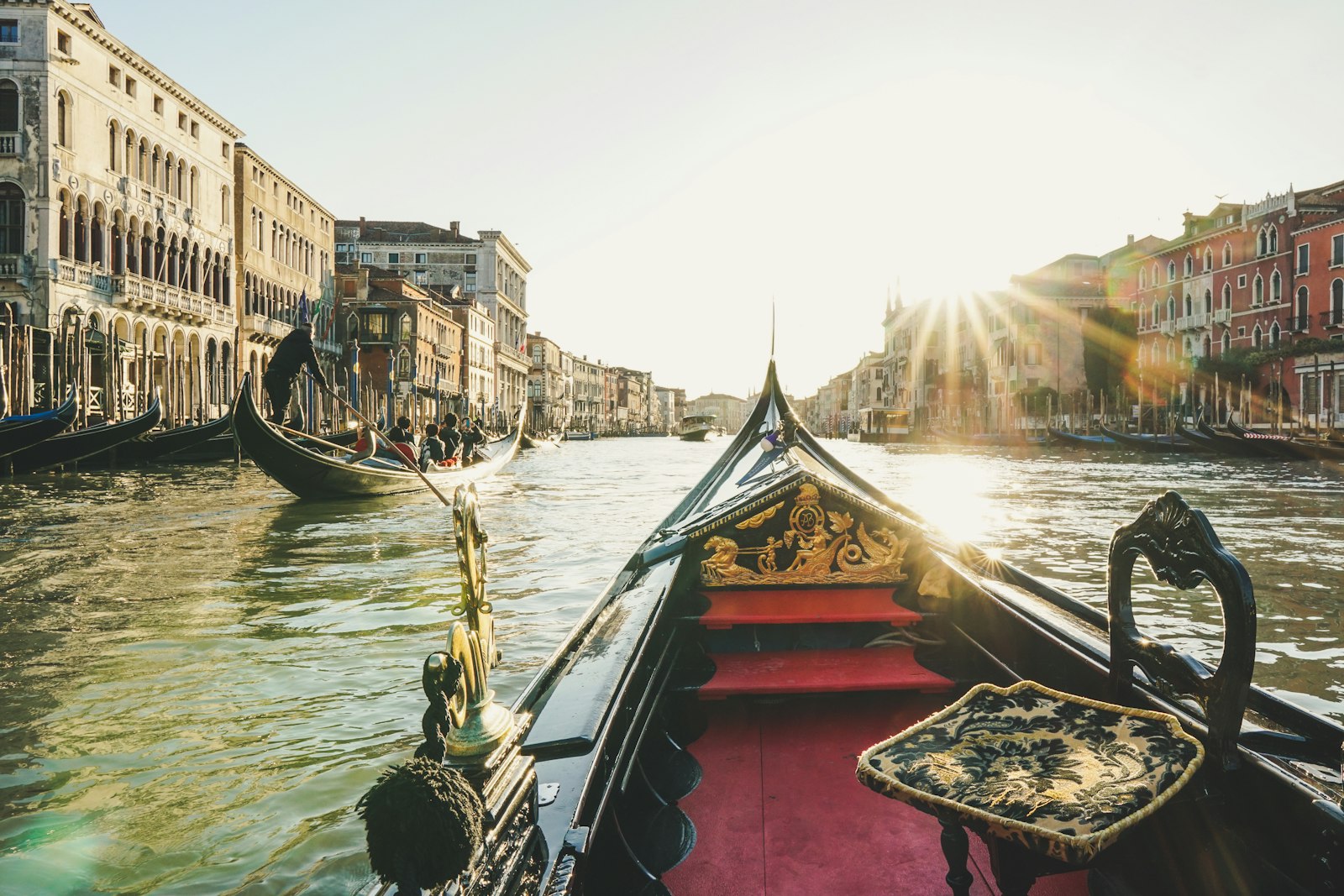
- In town: walk, and buy a multi-day vaporetto pass anyway. Single rides are €9.50; a 3-day pass pays for itself in three trips, covers the islands, and turns line 1 down the Grand Canal into the world's best free cruise. Wheeled suitcases and bridges are natural enemies — pack light.
Money, coperto, and the rhythm
Cards mostly work. Bridges don't care.
Cards are accepted nearly everywhere, but the bacari run on cash and small bills — hit a bank ATM (not a blue Euronet box) on day one. The coperto (€2–4 a head) is normal, not a scam. Tipping is not expected; round up if you loved it. Restaurants seat dinner from 7:30pm and kitchens close earlier than you'd think — Venice is a morning city. Build slack into every plan: the maze adds ten minutes to everything, and that's the point of it.
Where we would book
Apartments we look for on Booking.com first — Venice's group-sized inventory is strong in Cannaregio and Dorsoduro — with Plum Guide for the canal-view splurge. Basilica and Doge's Palace tickets we buy only on the official Venezia Unica and Palazzo Ducale sites; resellers add fees for nothing. For the lagoon, the public vaporetto beats any island tour, but for a kayak trip or a sold-out Secret Itineraries slot, GetYourGuide carries the reliable operators.
Related guides
- Venice Food Guide — the bacaro crawl, the no-pizza rule, and the trattorie worth a booking.
- Venice Activities Guide — islands, oars, and the views without the queues.
- Venice Culture Guide — the Doge's Palace, Tintoretto, and a pace you can keep.
- Your Florence Travel Guide — the Renaissance on foot, two hours away by train.
- Venice Group Trip Guide — the same city, planned for six or ten of you.