
France
Bordeaux
France's wine capital on the Garonne — golden 18th-century stone, the Miroir d'eau, canelés, and vineyards at the door.
Currency
EUR
Language
French
Best months
May–June and September–October (September for the grape harvest)
Mid-range budget
$
200
/ day
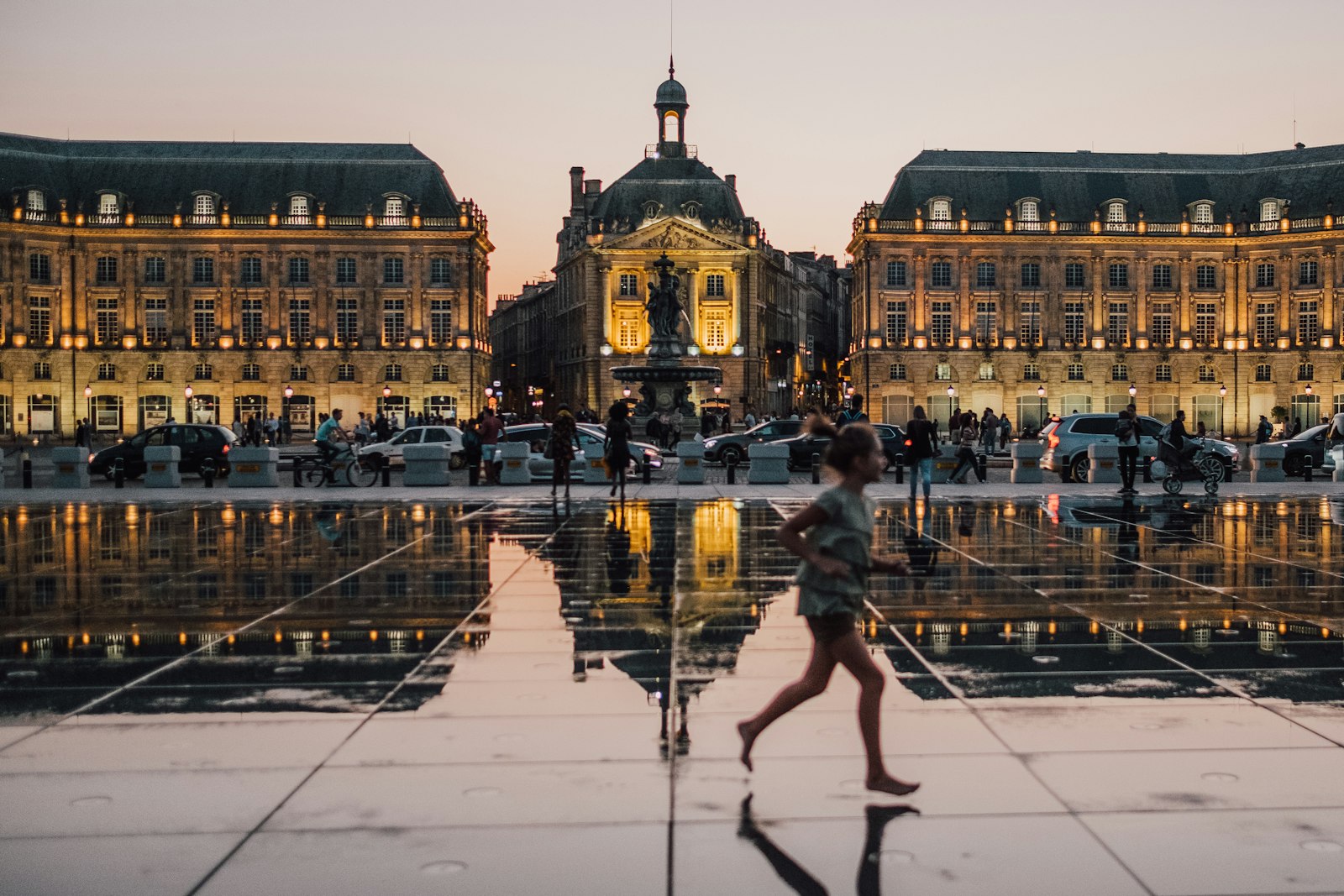
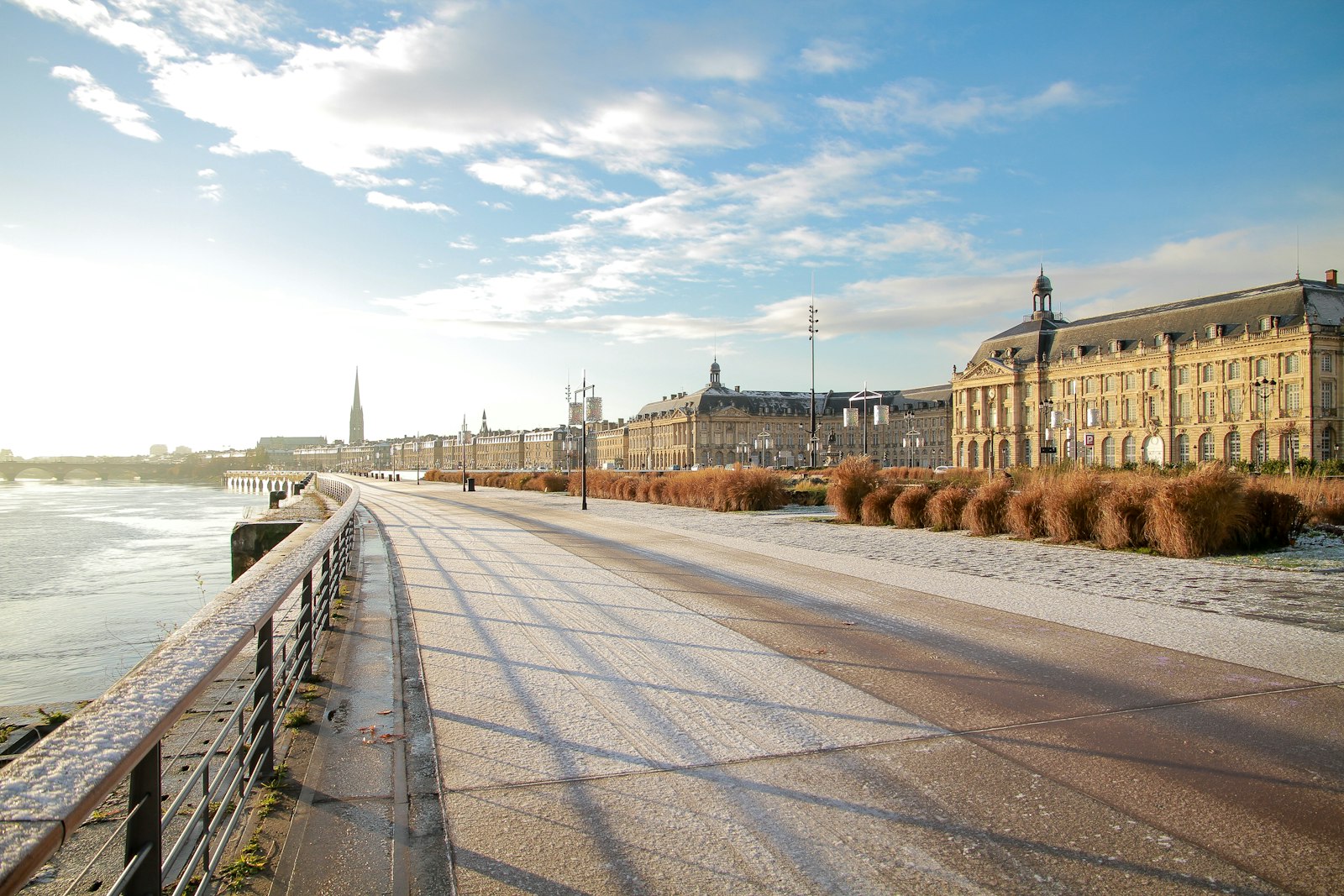
Bordeaux spent most of the 20th century as La Belle Endormie — the sleeping beauty — a grand wine port that had gone quiet and grimy behind soot-black facades. Then, around 2000, the city sandblasted itself awake. Under the honey-colored limestone was one of the largest 18th-century urban ensembles in Europe, and cleaning it revealed a whole city glowing like the inside of a wine glass. UNESCO listed the entire center, the trams came back, the quays turned into riverfront promenades, and the reflecting pool in front of the Place de la Bourse became the most photographed square meter in France.
What makes it a great group trip isn't just the looks. Bordeaux is small enough to walk, flat enough to bike, and sits at the center of the most famous wine country on earth — Saint-Émilion, the Médoc, and Sauternes are all a short train or drive away, and so is the Atlantic, with oysters at Cap Ferret and Europe's tallest sand dune. It's a city that rewards a long lunch and a slow evening: a plate of oysters and a glass of white at the market, the stone going gold at dusk, and a dinner in Saint-Pierre that nobody wants to end.
The soundtrack
Guides for here


Practical Stuff
Tipping
Service is included by law — the price on the menu is the price you pay, and staff are paid a real wage, so there's no 15–20% math to do. Leaving a little extra is a warm gesture, not an obligation: round up the coffee, drop a couple of euros on a good lunch, maybe €5–10 on the table after a long group dinner you loved. That's generous here, not the baseline.
Safety
Bordeaux is a safe, easygoing city — a walkable center wrapped around a tram network that actually works. The only real nuisance is ordinary pickpocketing in the crush: the Gare Saint-Jean station, the packed length of Rue Sainte-Catherine, and busy trams. Front pockets, zipped bags, done. The Saint-Michel and Grosse Cloche quarters get livelier and a little grittier after dark but are fine with the usual city sense. Cross the tram tracks looking both ways — the trams are near-silent — and you've covered the actual risks.
SIM card
An eSIM (Airalo, Saily) is the easy move — set it up before you land. Otherwise pick up an Orange, SFR, Bouygues, or Free Mobile SIM in town. EU visitors keep their home plan via roaming.