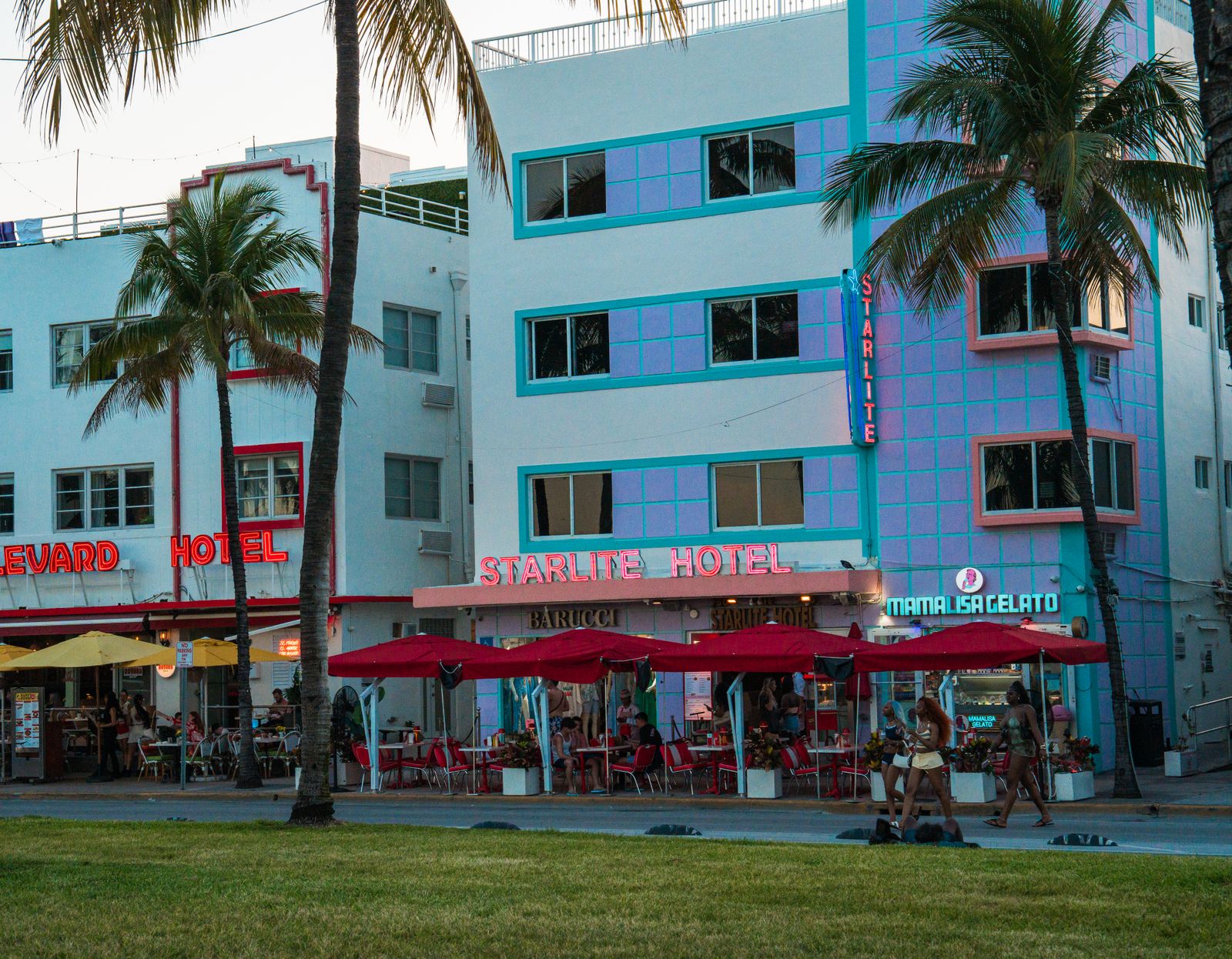
What you're actually looking at
Not an American city with Latin flavour. A Latin American city that happens to be in America.
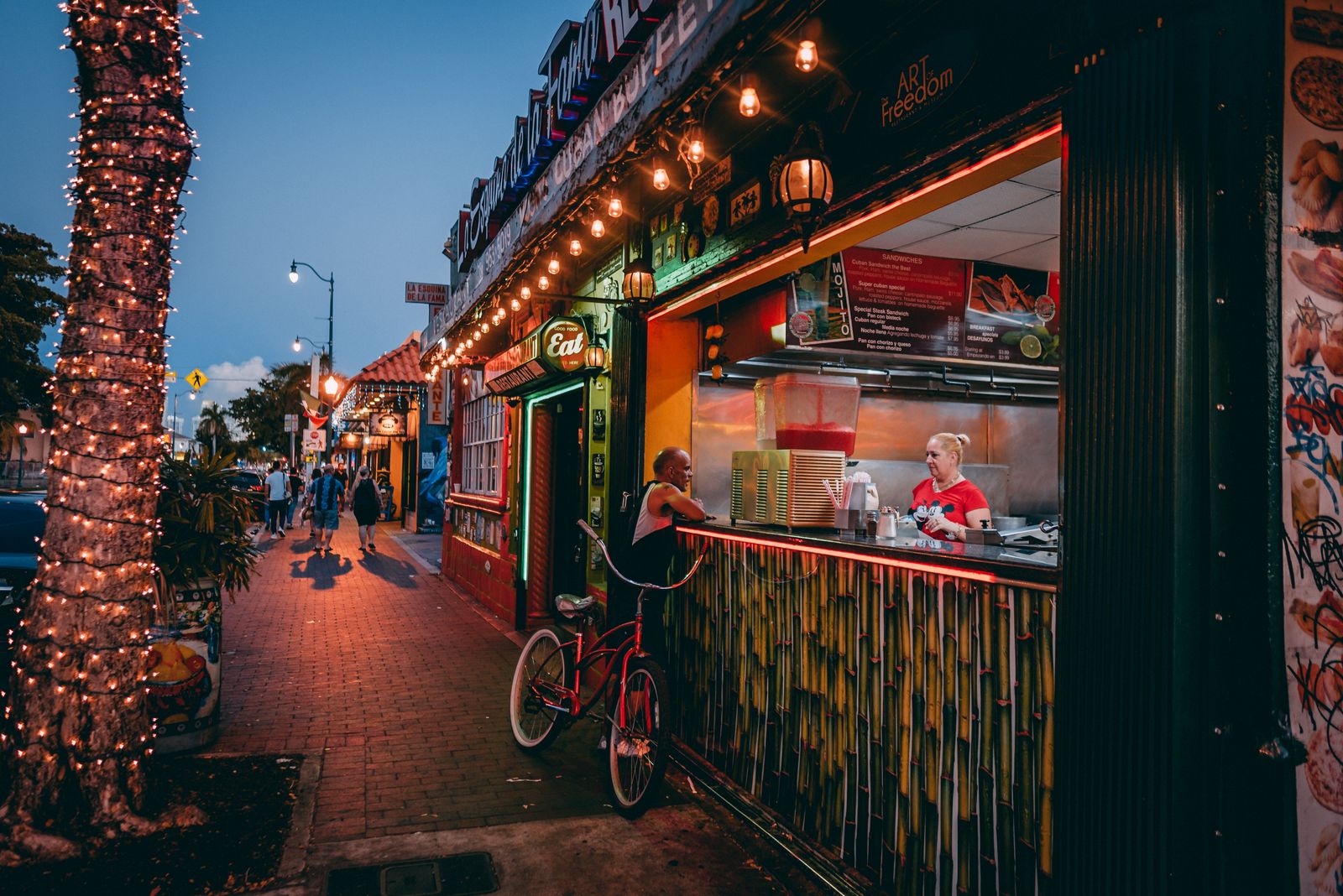
Two thirds of Miami-Dade speaks Spanish at home — 67%, per the census — and more than half the county was born in another country. That is not a fun fact for the introduction. It's the operating system. You will order in Spanish, be answered in Spanish, and never once be congratulated on your Spanish. The Spanish version of this guide is not a translation. It's the local-language version.
Which means the thing to get straight is not language, and it isn't the beach either. The beach is free and it's excellent and it will take you eleven minutes to figure out. The two things that decide whether this trip is any good are a consulate appointment and a restaurant receipt. Both are further below. Neither is on a postcard.
The trip starts at a visa window, not an airport
The longest thing about a Miami trip is the part that happens before you book a flight.
Argentina is not in the US Visa Waiver Program. It was removed in 2002 and has not been readmitted, which means no ESTA and a B1/B2 visa for everyone travelling. The wait for an interview appointment in Buenos Aires runs at about 49 days, swinging roughly between three weeks and two months depending on the season, heaviest from December to February. After the interview, add three to four weeks of processing. Door to door, plan on about three months.
Argentina is working its way back in — Washington signed a statement of intent, and the reporting points at visa-free travel being possible from 2027, gated on security benchmarks including the visa refusal rate, which sat at 7.47% in 2025 and needs to be lower. Nobody can tell you when that lands, so don't plan around it. As of today you need the visa.
Here's the part nobody writes down: appointments don't come as a block. Whoever already holds a valid visa is not your constraint — the two people who don't are, and the trip's real start date is the last interview on the calendar. Find out who has one before anybody starts looking at flights. It reorders the entire planning conversation, and it's the single kindest thing you can do for the friend who was about to book something non-refundable.
The menu price is not the price, and the law now says so
Three separate charges land on top of what you read. Since 2025 you get to see all of them.
Start with tax, which depends on which side of the bay you're sitting on. Florida charges 6% and Miami-Dade adds a 1% surtax, so 7% is the floor. On Miami Beach, the city adds a 2% resort tax on all food, drink and alcohol in restaurants, bars and nightclubs, taking you to 9%. On the mainland, Miami Beach's exemption doesn't apply and places serving alcohol add the county's 1% homeless and domestic violence tax instead, taking you to 8%. Same dinner, different bay.
Then the big one. Miami restaurants routinely add an automatic 18–20% operations charge. Since 1 July 2025, Florida law requires them to tell you: the menu must state the amount or percentage and its purpose, in type no smaller than the food descriptions; the bill must carry a notice on its face before you pay; and the receipt must break out gratuity, operations charge and sales tax on three separate lines.
So a $100 dinner on Miami Beach is $100, plus $9 of tax, plus a $20 service charge: $129 before anyone tips again. Read the three lines. If the service charge is already sitting there, you have tipped, and adding more is a gift rather than an obligation. Where there's no charge at all, 18–20% is the local norm and you should pay it.
Where you sleep decides whether you need a car
Miami has a free transit network. It just doesn't advertise itself.
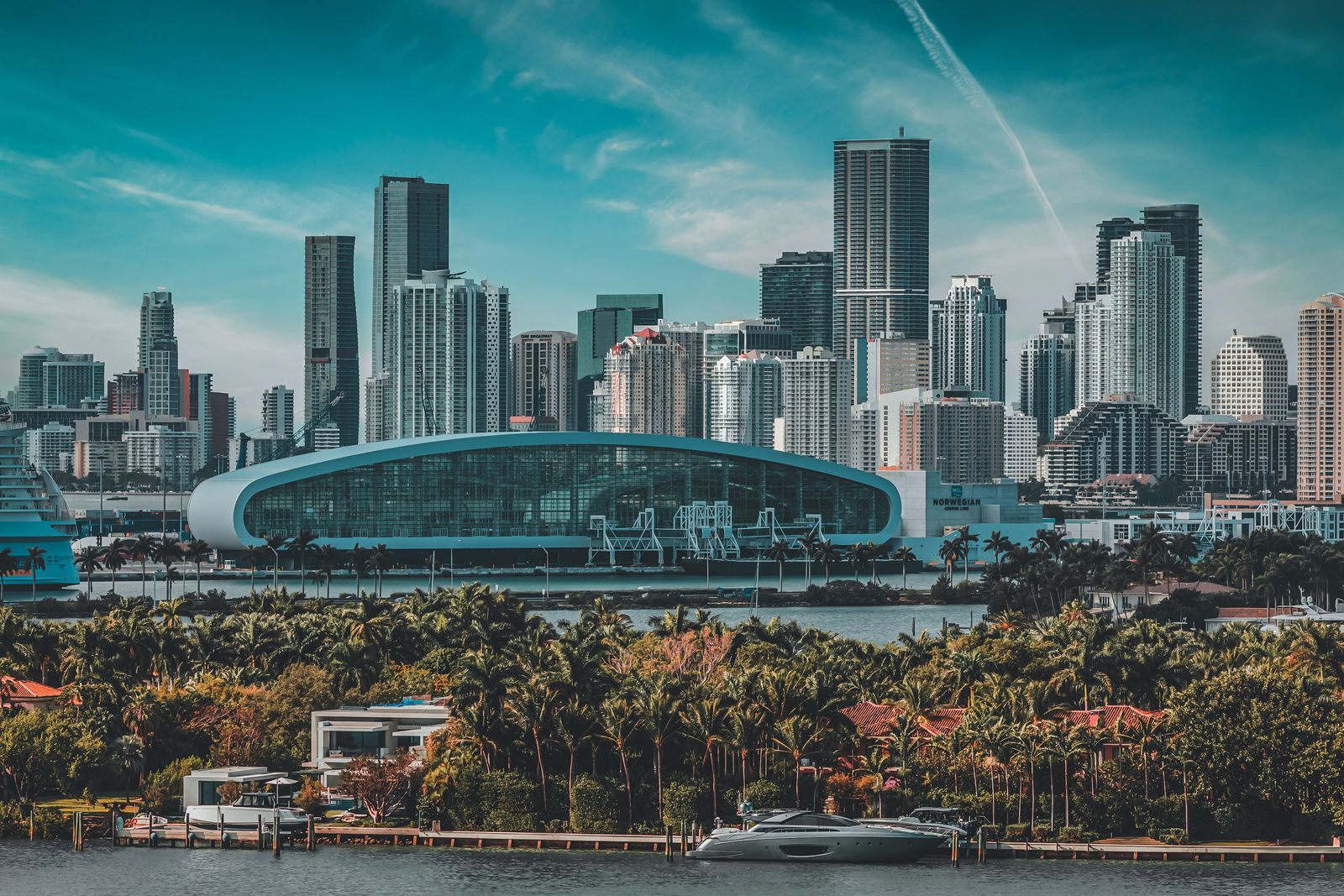
Three things cost nothing and between them they cover most of where you'd want to stay. The Metromover is a free driverless train on elevated track through downtown and Brickell, running roughly 5:30am to 10pm with something arriving every 90 seconds to three minutes. The Miami Beach Trolley loops South, Middle and North Beach, free, roughly 8am to 11pm, every 15 to 20 minutes. And Freebee is a free on-demand ride inside a geofence covering Mid-Beach and part of North Beach — door to door, Monday to Friday 6:30am–10pm, Saturday 8am–10pm, Sunday 8am–8pm.
Now the cost of ignoring them. On-street parking in South Beach and the Entertainment District is $4.00 an hour, enforced 9am to 3am in South Beach and around the clock in the Entertainment District. Middle Beach drops to $3.00, and North Beach and West Middle Beach to $1.00. A car sitting outside a restaurant all evening is $20 doing nothing. The Metrorail is $2.25 a trip and takes no cash at the gates — contactless, an EASY Card, or the app.
So: base the group where the free network already runs, and rent one car for the one day you leave the city. That day is worth it, and here's why.
Bill Baggs Cape Florida State Park
The southern tip of Key Biscayne, twenty-odd minutes from downtown: a real beach, pine and sea-grape trails, and the 1825 Cape Florida lighthouse, which is the oldest standing structure in the county. Entry is $8 per vehicle carrying two to eight people. Eight of you in one car is a dollar each. If you get dropped off instead, it's $2 a head. There is no version of this that is expensive, and it is better than any beach club you will be sold.
The half of Miami that costs a dollar a head
In a city sold on bottle service, the good part is nearly free. Lean into that.
Cuban coffee is the clearest example. A colada is a strong brew that arrives in one cup with a sleeve of little plastic thimbles, because it was designed to be handed round. A survey of 20 of Miami-Dade's busiest ventanitas put the average colada at $2.06 — twice what it cost in 2019 — with the cheapest at $1.50 and the dearest at $4.05, at Molina's Ranch in Hialeah. Five of you sharing a $2.06 colada is 41 cents each. It is the most sociable object in the city and it costs less than the parking meter runs in ten minutes.
The same logic runs through the outdoors. Oleta River State Park, with mangrove kayaking and mountain-bike trails, is $6 a vehicle for two to eight. Everglades National Park charges $35 per private vehicle, good for seven consecutive days and admitting everyone inside — but $20 per person if you turn up on foot. That gap is the whole argument for the one rental car. And the ICA Miami in the Design District is free, Wednesday to Sunday, 11am to 6pm, with timed tickets you book ahead.
When to come, honestly
The cheapest months and the risky months are the same months. Decide that out loud.
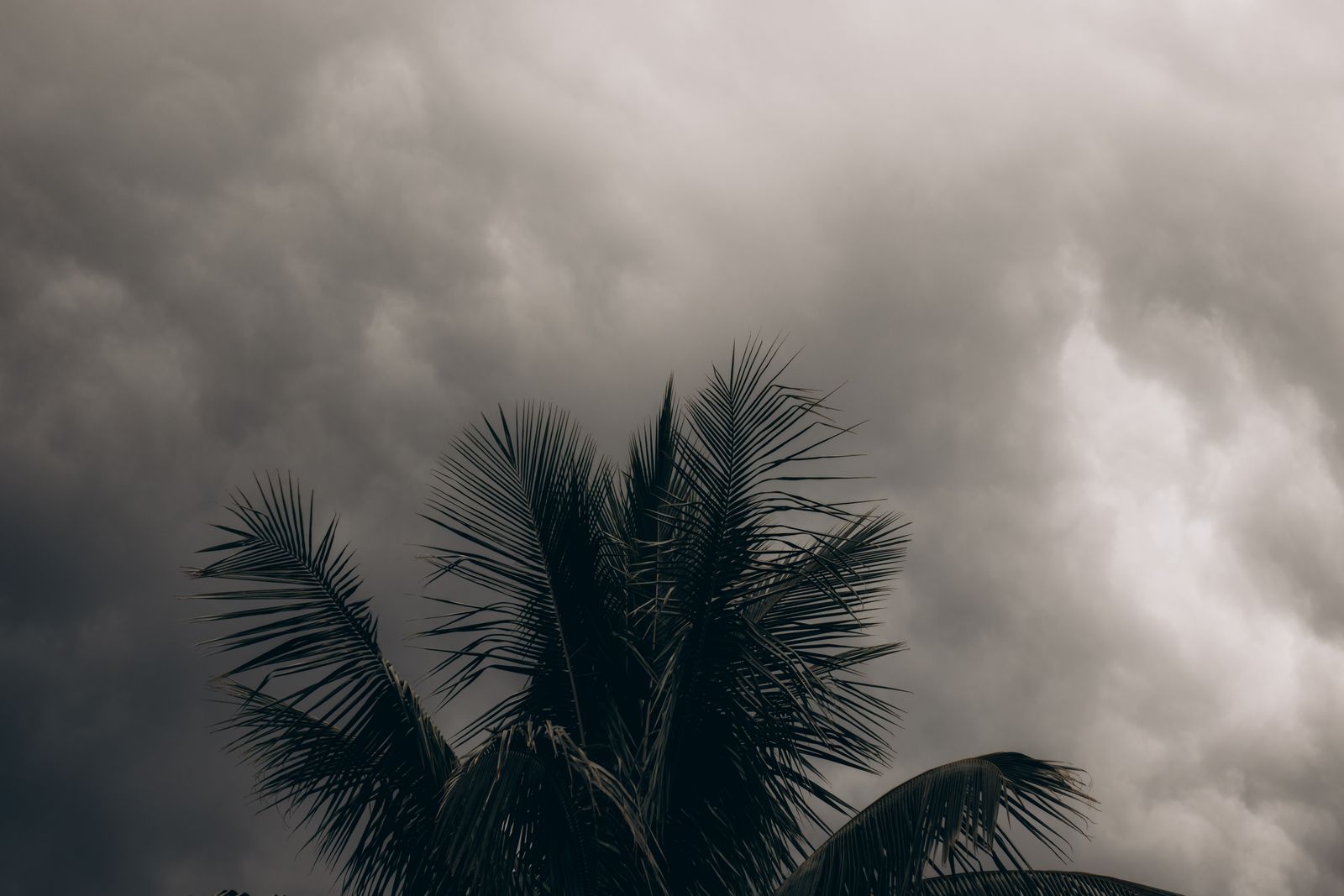
November to April is the dry season: low humidity, little rain, no hurricanes, and the reason everyone comes then. It's also when hotels and flights cost the most, especially around the US holidays. Hurricane season runs 1 June to 30 November and peaks from August to October, which is also when the wet season delivers a thunderstorm most afternoons and the humidity becomes a physical object.
The cheapest month to come is also the month with the hurricanes in it. That's not a catch. It's just the decision.— On timing
September rooms run at roughly half the winter rate. That is a genuinely good trade for a group that can be flexible, and a genuinely bad one for a group that has booked six non-refundable flights. Talk about it before you book, pick the changeable fare if you're going in the season, and either way keep one wet-afternoon plan in the back pocket. The shoulder — late April, May, early November — splits the difference and is the quiet answer.
Where we would book
Direct where it matters, official for tickets, and one car for one day.
The visa comes first and it comes from the consulate — no agency can move you up the queue, whatever they charge. Apartments for a group live on the usual platforms; message the host and ask straight whether the place holds your number or merely sleeps them, and pick a neighbourhood the free trolley or Metromover already serves before you compare prices. Book the Freedom Tower and ICA Miami on their own sites, because both run timed entry and both sell out on good days. Rent the car from the airport counters for the one day you're leaving town, not for the week. And the state parks and the national park take your money at the gate, by card — the Everglades doesn't accept cash at all.
Related guides
- The Miami Food Guide — why the best table in town is in a strip mall.
- Things to Do in Miami — the beach, the sawgrass, and a stadium with Messi in it.
- The Miami Culture Guide — arrivals, exile, and who ended up on the high ground.
- Miami Group Trip Guide — six visas, one car, one bill.
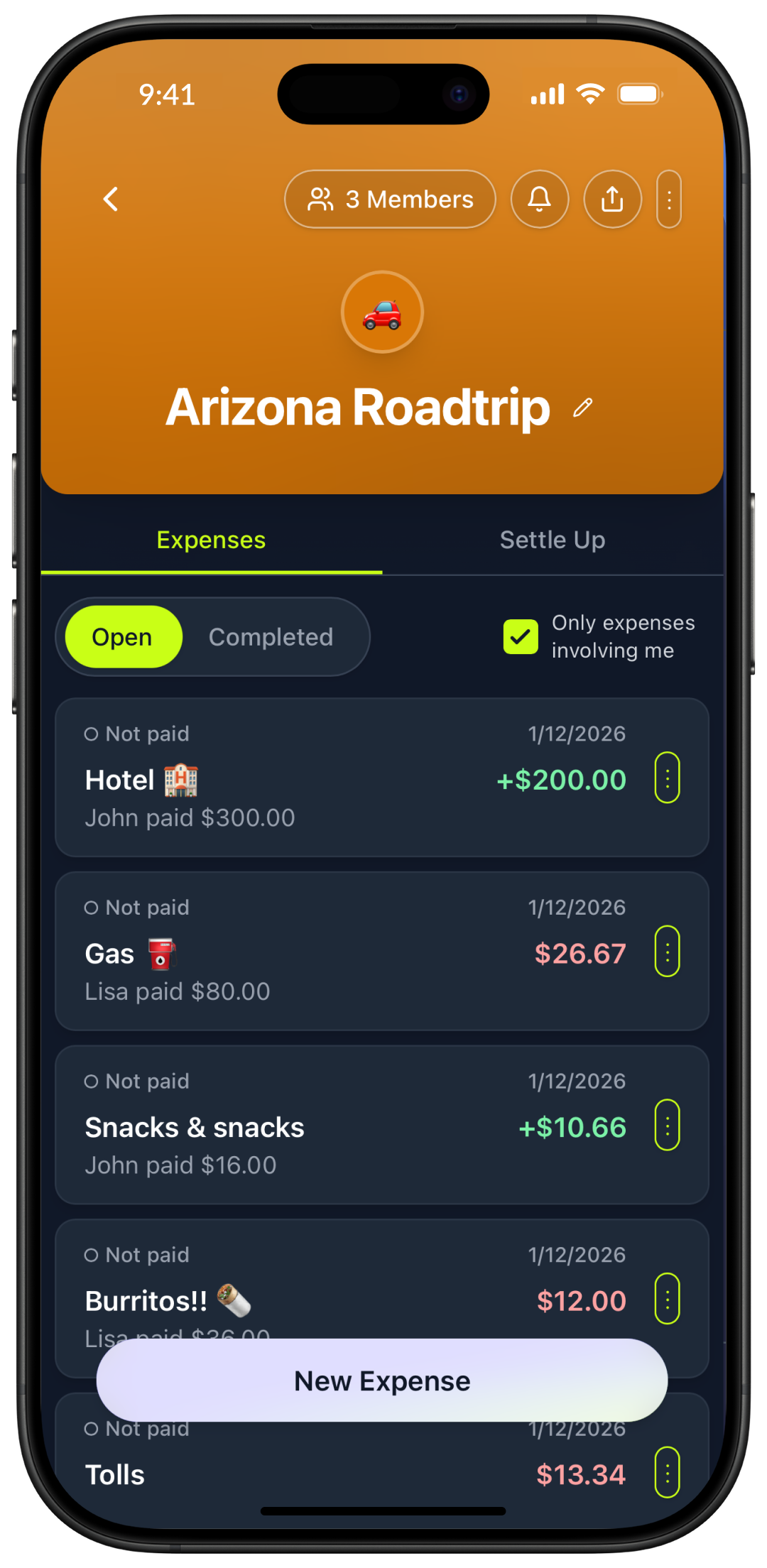
- Your NYC Travel Guide — the other American city where the printed price is never the price.