A city of arrivals
Almost everyone here came from somewhere else, recently, and often not by choice.
More than half of Miami-Dade was born in another country. That is the fact underneath everything else in this guide — the food, the music, the Spanish on every corner, the particular energy of a place where a large share of the people around you, or their parents, arrived with what they could carry.
You can do Miami as a beach. Plenty do. But there are three places that, taken in order, explain how the city actually got here, and two of them have changed in the last year in ways no older guide has caught up with. Give them an afternoon each.
The Freedom Tower reopened, and it may have your family in it
Closed since 2023. Open again, and completely different inside.
The Freedom Tower
Built in 1925 and once the tallest building in the South, the tower became the federal processing centre where roughly 600,000 Cuban refugees were received — Miami's Ellis Island, and the reason it carries the name it does. Miami Dade College was given it in 2005. It closed in 2023 for a $25 million restoration, had its ribbon-cutting on 16 September 2025 — its hundredth birthday — and opened general ticket sales on 15 October 2025. Admission is $18, Wednesday to Sunday, 10am to 6pm, on timed tickets you should buy ahead. Inside, alongside the exhibitions, there is a searchable photo database of the people processed here, where someone can find their own name and their own picture. If anyone in your group has Cuban family, tell them that before you go, not after.
Check what's showing on the college's own site before you book — the exhibition programme has changed since reopening and the listings you'll find elsewhere are mostly from the pre-closure years.
Little Havana is not a set
People live here. The dominoes are real. Behave accordingly and it's the best afternoon in the city.
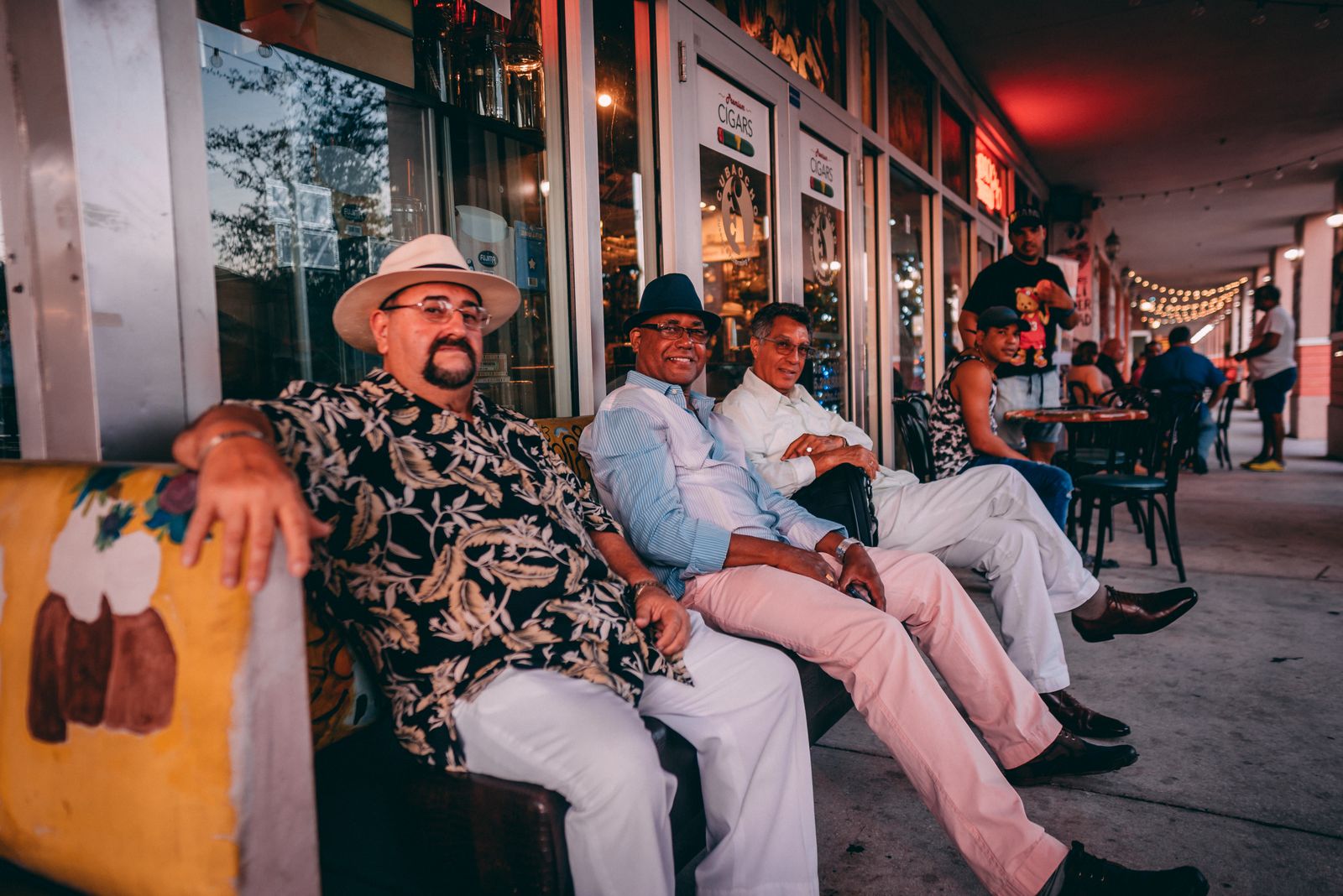
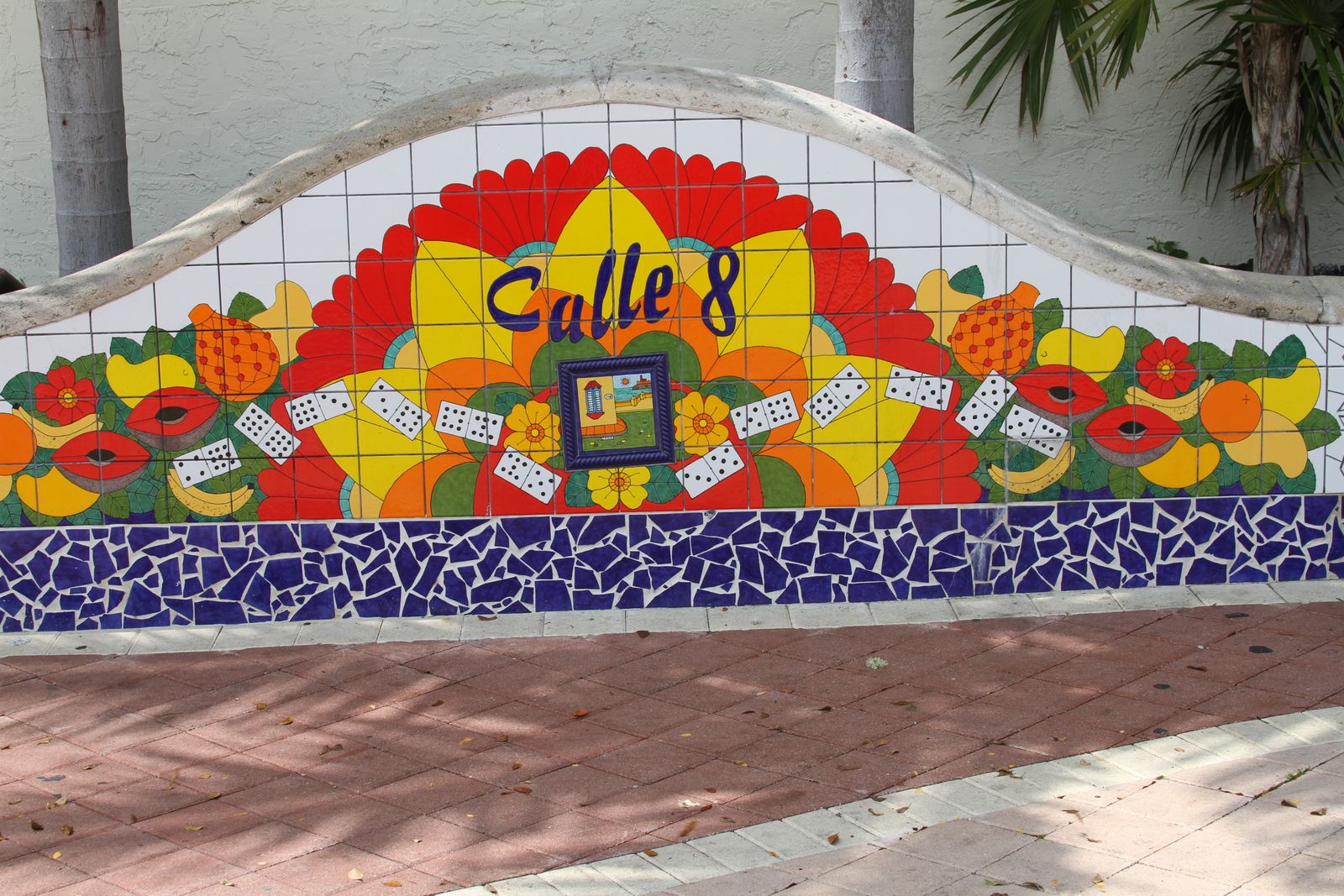
Start at Máximo Gómez Park on Calle Ocho — Domino Park to everyone who uses it — where the tables are occupied by people playing seriously, for their own reasons, in the middle of the afternoon. It's free to walk into. It is not a photo opportunity with people in it, and the difference is obvious the moment you stand there for five minutes instead of ninety seconds.
Then a ventanita, because standing at a coffee window is the neighbourhood's actual social form: order a colada, take the little cups, hand them round. Los Pinareños Frutería nearby is a family fruit stand where a coco frío is the correct thing to be holding.
In the evening, Ball & Chain at 1513 SW 8th Street has been doing Cuban jazz and salsa most nights for decades, with a back patio under a pineapple-shaped fountain; it's free most nights with a light cover, around $10, at weekends. Café La Trova at 971 SW 8th is the other kind of night — Julio Cabrera's cantinero bartending and food by Michelle Bernstein, Michelin-recommended, priced accordingly. Do that one once, on the night it's worth it.
Little Haiti, and the thing about high ground
The most important thing happening in Miami is a story about elevation, and it's barely in any guidebook.
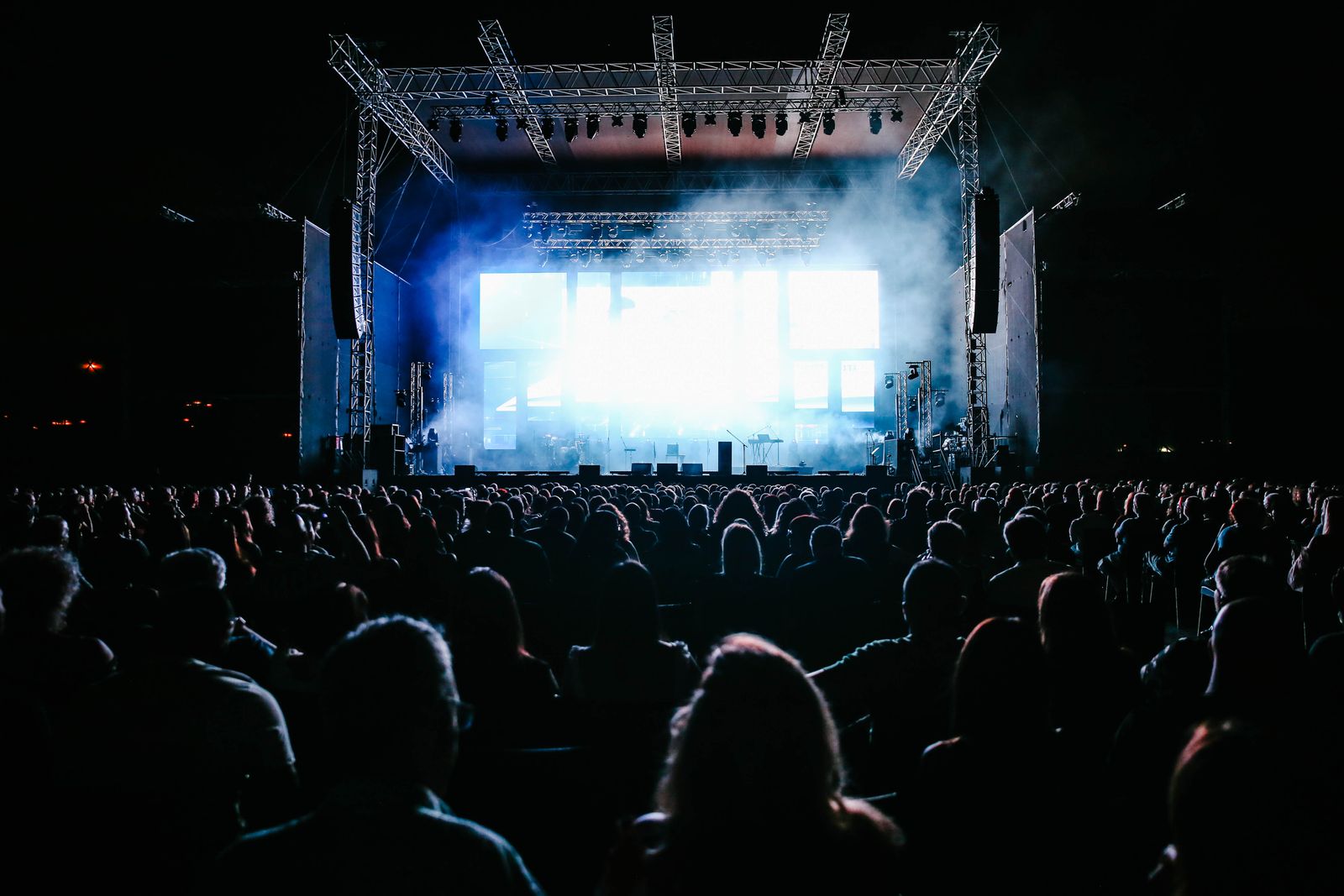
The Little Haiti Cultural Complex opened in 2009 and runs Big Night in Little Haiti on the third Friday of every month — local bands, dance troupes and touring Kreyòl acts, in the open air. If your dates line up with a third Friday, go. The City of Miami formally recognised the neighbourhood's boundaries in 2016, which makes 2026 its tenth anniversary as a place with a name on a map.
Now the part that explains Miami. A 2018 Harvard study led by Jesse Keenan tracked more than 100,000 single-family homes across Miami-Dade over 45 years and found that property values had been rising faster at higher elevations, while lower-elevation values fell between 1971 and 2017. Little Haiti sits about ten feet above sea level. In a coastal city facing sea-level rise, that is now the valuable ground.
Redlining pushed people inland, away from the water. Now the water is making inland the expensive part.— On elevation
The bitter symmetry is that the high ground is where Black residents were pushed in the first place, kept out of the waterfront by decades of redlining. Today just 26% of Little Haiti homes are owner-occupied, which means most of the neighbourhood has no stake in the rising value and full exposure to the rising rent. Haitian-owned businesses are closing. Community leaders will tell you they are not at risk of this — they are in the middle of it.
We're not going to lecture you about that, and you shouldn't feel weird about visiting. Just do the obvious thing: spend the money in the neighbourhood you came to see. Eat at the Haitian restaurants, buy a ticket to Big Night, buy something at the Caribbean Marketplace. A group of six spending an evening's worth of money locally is worth more than any amount of respectful admiring from the pavement.
Where the free art is
One museum here is permanently free, and it's one of the best.
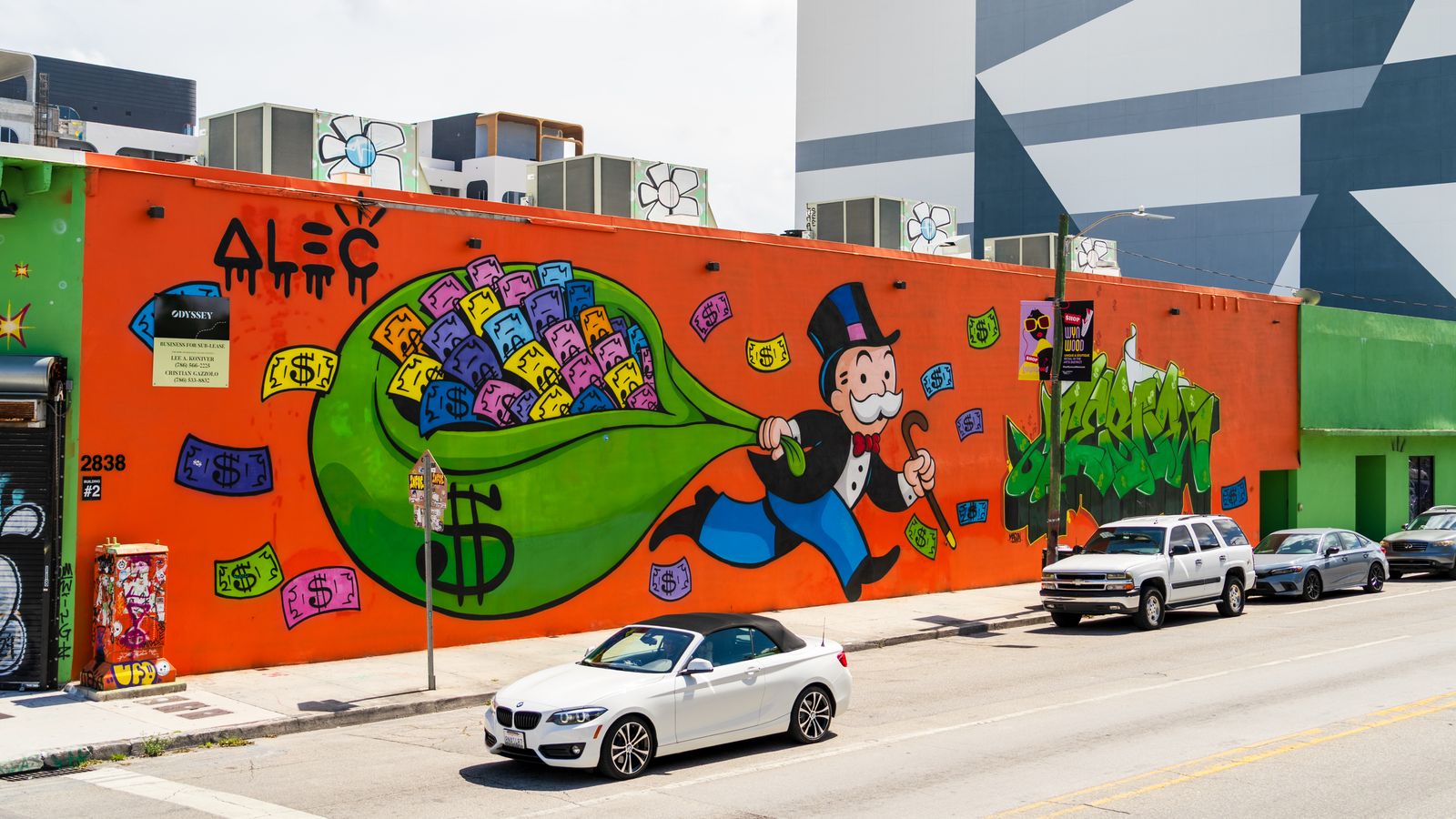
ICA Miami in the Design District charges nothing, ever — Wednesday to Sunday, 11am to 6pm, timed tickets booked in advance. For a group that alone can anchor an afternoon. Beyond it, PAMM on the bay runs about $18, Vizcaya — the 1916 villa and gardens on Biscayne Bay — is $25, The Bass on Miami Beach is $15 and the Wolfsonian is $12. Several of them run regular free days and free evenings; check the month you're visiting on each museum's own site rather than trusting a list, because the schedules move.
If anyone in the group is 22 or under, look up Culture Shock Miami before you buy anything: it sells $5 admission to several of these for ages 13 to 22. Above that age it doesn't apply, so don't build the day around it.
Where we would book
Two timed tickets, one calendar check, and the rest is walking.
Book the Freedom Tower on Miami Dade College's own site and ICA Miami on its own — both are timed and both run out on good days. Check the Little Haiti Cultural Complex calendar for the third Friday before you fix your dates, because Big Night is the single best-value evening in this guide. Domino Park, the ventanitas and the murals cost nothing and need nothing. Ball & Chain you walk into; La Trova you reserve. And if you want a guided walk of Little Havana or Little Haiti, book it with an operator based in the neighbourhood rather than a downtown coach tour — the money stays where the story is.
Related guides
- Your Miami Travel Guide — the visa, the bill, and the free half of the city.
- The Miami Food Guide — why the best table in town is in a strip mall.
- Things to Do in Miami — the beach, the sawgrass, and a stadium with Messi in it.
- Miami Group Trip Guide — six visas, one car, one bill.
- NYC Museum Guide — the other arrivals city, and the ones worth splitting up for.