
France
French Riviera
France's Mediterranean coast — Nice as your base, socca and rosé, hilltop Èze, Monaco, and beaches that earn the hype.

Currency
EUR
Language
French
Best months
May–June and September (warm sea, thinner crowds than July–August)
Mid-range budget
$
240
/ day
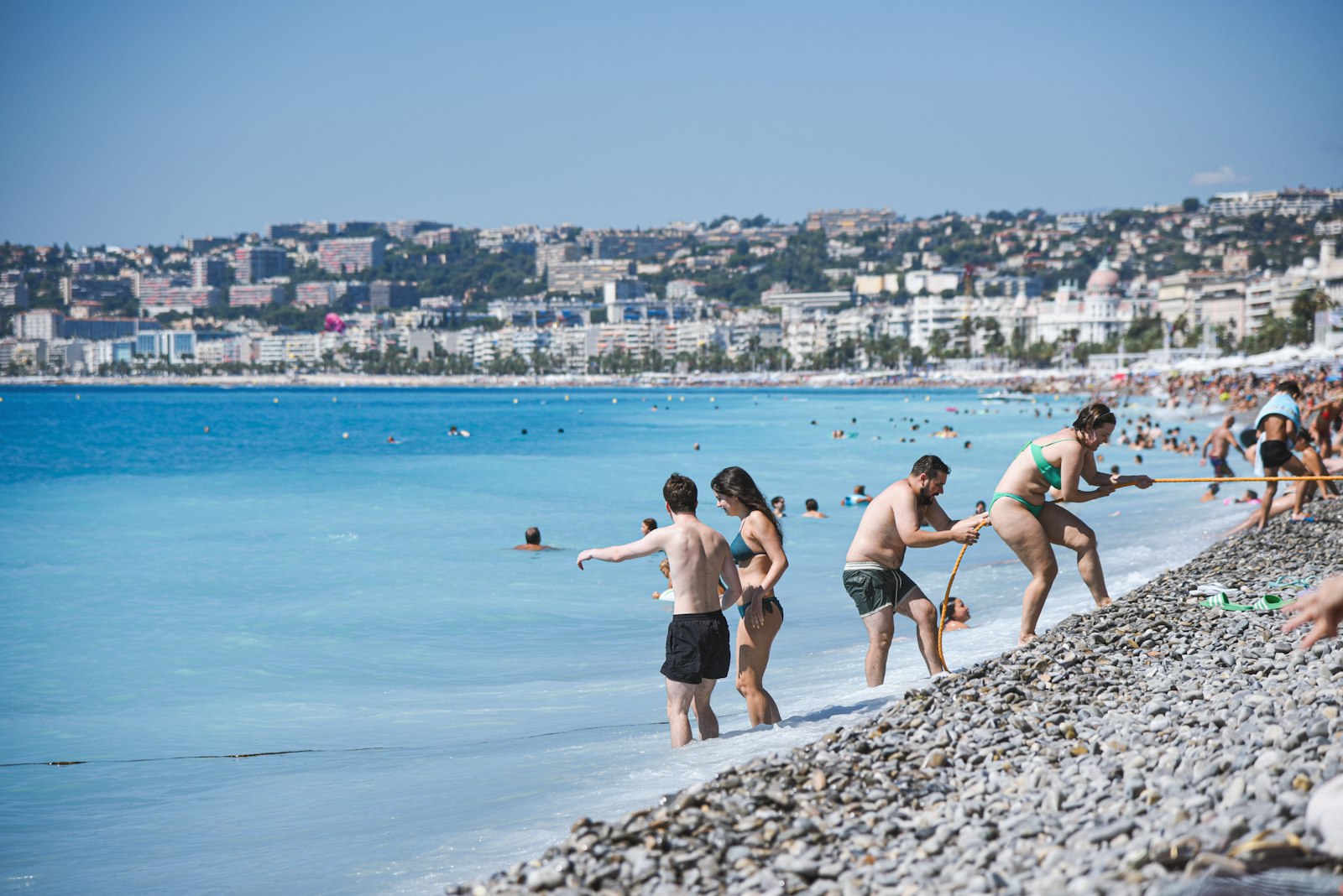
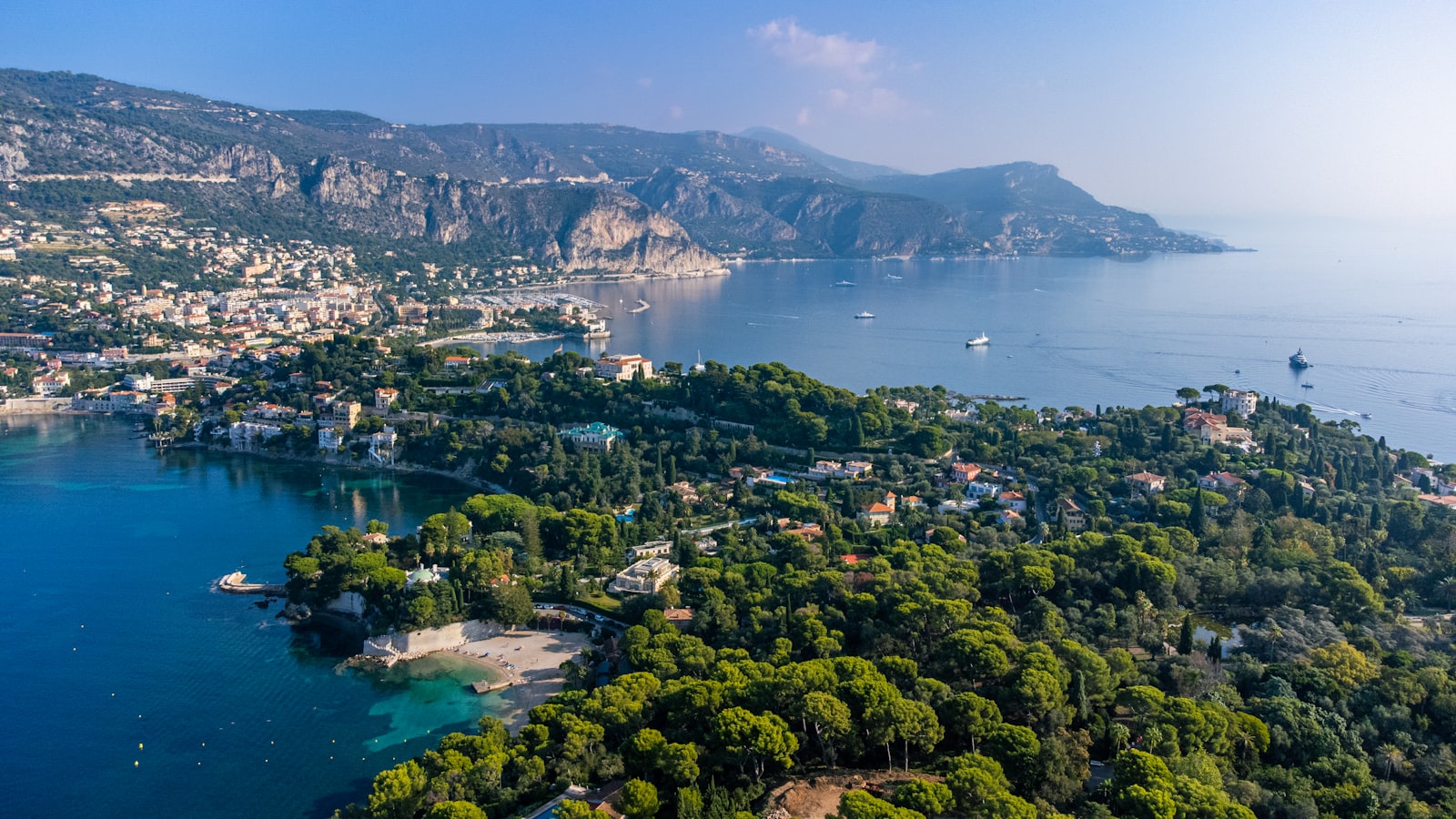
The French Riviera — the Côte d'Azur, the coast of azure — is a hundred-odd kilometres of Mediterranean between the mountains and the sea, and it has been the place people go to feel better since the 1800s. English aristocrats wintered here for their health, Russian nobility built onion-domed cathedrals, and then the painters came for the light: Matisse, Chagall, Picasso, Renoir, all chasing a clarity you only get where the Alps drop straight into a very blue sea. It's glamorous, yes — Monaco and Cannes and the superyachts are real — but it's also a socca stand in a market, a pebble beach anyone can swim off, and a €4 train that hugs the water past every town you've heard of.
What makes it a great group trip is how much it packs into a small, walkable stretch. Base yourselves in Nice and the whole coast is a cheap regional train away: the perched village of Èze over the sea, Monaco and its casino, Antibes and its Picasso, Cannes and its islands, Menton and its lemons a stop from Italy. Days here have a shape that's hard to beat — a market and a swim in the morning, a corniche drive or a hilltop village in the afternoon, and a long rosé-fuelled dinner as the sea goes pink. You don't conquer the Riviera. You settle into it.
The soundtrack
Guides for here



Practical Stuff
Tipping
Service is included by law — the price on the menu is the price you pay, and staff are paid a real wage, so there's no 15–20% math to do. Leaving a little extra is a warm gesture, not an obligation: round up the coffee, drop a euro or two on a good lunch, maybe €5–10 on the table after a long group dinner you loved. That's generous on the Riviera, not the baseline. The one place to watch is a beach-club or Promenade terrace with a discreet "service" line already on the bill — you don't tip twice.
Safety
The Côte d'Azur is a safe, easygoing coast — the real risks are petty, not scary. Pickpockets work the crowds: Nice-Ville station, the Promenade des Anglais, the packed lanes of Vieux Nice, the airport tram, and the summer trains along the coast. Front pockets, zipped bags, done. On the beach, the classic is bag theft while everyone's in the water — take turns watching the pile, and don't leave a phone on a towel. Summer traffic is heavy and the scooters are quick, so look twice crossing the corniches. Beyond that it's sunscreen, water, and shade: this is a coast that rewards a slow morning and a long lunch, not a race.
SIM card
An eSIM (Airalo, Saily) is the easy move — set it up before you land at Nice. Otherwise pick up an Orange, SFR, Bouygues, or Free Mobile SIM in town. EU visitors keep their home plan via roaming; near the Italian border around Menton your phone may hop networks, so check you're not roaming onto an Italian one.